
The persistent challenge for the urban oenophile residing within the dense fabric of San Francisco is the acquisition and maintenance of optimal cellarage without compromising the architectural integrity of their domiciles. This necessitates a departure from the traditional, sprawling subterranean repositories and a deliberate engagement with integrated, self-contained climate control solutions. As Architectural Strategists for Wine Cellars San Francisco, we understand that your discerning palate extends beyond viticulture to encompass the minutiae of environmental control that preserves your investments. This discourse will address the fundamental principles and material science underpinning the effective implementation of self-contained cooling units for the contemporary collector.
It is imperative to acknowledge that the Bay Area presents a unique set of environmental variables. The proximity to the Pacific Ocean imbues our microclimates with elevated salinity and significant atmospheric moisture content, particularly within the littoral zones such as the Richmond District. Concurrently, internal microclimates within residences, especially those in older structures or those undergoing adaptive reuse, can exhibit considerable diurnal and seasonal thermal fluctuations. Furthermore, the inherent seismic vulnerabilities of our region mandate structural considerations that extend to the integration of heavy, mechanically active apparatus. These factors collectively underscore the necessity for a meticulously engineered approach to wine storage.
The primary objective in wine preservation is the meticulous management of ambient temperature and humidity. This is not merely a matter of keeping wine “cool” but rather of maintaining thermal equilibrium and controlled atmospheric conditions that preclude deleterious chemical reactions. This realm of study is precisely defined by psychrometrics, the science concerning the thermodynamic properties of moist air.
Temperature Thresholds and Equilibrium
The accepted optimal range for long-term wine aging is between 55°F (13°C) and 59°F (15°C). Deviations from this range, particularly prolonged exposure to temperatures exceeding 70°F (21°C), accelerate the chemical degradation of wine. Esters hydrolyze, tannins polymerize prematurely, and volatile acidity can increase, all leading to premature aging and the loss of nuanced aromatics and complex flavor profiles. Conversely, temperatures significantly below this range, approaching freezing, can cause precipitation of tartrates and, in extreme cases, physical expansion of the liquid, potentially compromising the cork seal. Therefore, the consistent attainment of a stable temperature, irrespective of external ambient conditions, is paramount.
Thermal Conductivity of Enclosure Materials
The efficacy of any cooling unit is intrinsically linked to the thermal conductivity of the enclosure it serves. Materials with low thermal conductivity, commonly referred to as having high thermal resistance (R-value), are crucial. In the context of urban residences, where dedicated subterranean cellar space may be unattainable, this often translates to retrofitting existing cabinetry, closets, or small rooms. The material characteristics of the enclosure, such as the hygroscopicity and thermal resistance of wood species, insulation types (e.g., closed-cell spray foam versus fiberglass batts), and wall assembly composition, directly influence the operational load on the cooling unit. A poorly insulated or inadequately sealed enclosure will force the cooling unit to cycle more frequently, leading to increased energy consumption, premature wear of components, and potential fluctuations in internal temperature.
Relative Humidity Management
Beyond temperature, relative humidity (RH) plays a critical role. The ideal range for wine cellar RH is between 50% and 70%.
The Meniscus and Cork Integrity
Within this humidity spectrum, the cork remains pliable and maintains its seal against the glass. If RH drops below 50%, corks can desiccate, leading to shrinkage and the ingress of oxygen. This oxygen exposure accelerates oxidation, fundamentally altering the wine’s character and rendering it undrinkable. Conversely, excessively high RH, consistently above 75-80%, can promote the growth of mold and mildew on labels and corks, which, while not directly detrimental to the wine itself, can compromise the aesthetic presentation and perceived value of the collection. Furthermore, prolonged exposure to high humidity can degrade cork quality over time.
Condensation and Vapor Barrier Integrity
In an urban setting, especially in proximity to the Bay’s coastal fog banks, controlling moisture ingress is a constant battle. The cooling unit itself will dehumidify the air as part of its refrigeration cycle. However, the integrity of the vapor barrier within the enclosure is non-negotiable. A compromised vapor barrier allows humid ambient air to infiltrate the conditioned space, overwhelming the dehumidification capacity of the cooling unit and potentially leading to condensation. This condensation can then create an environment conducive to mold growth and can also contribute to off-gassing from certain building materials, which can impart undesirable aromatic compounds to the wine.
The Engineering of Self-Contained Cooling Units
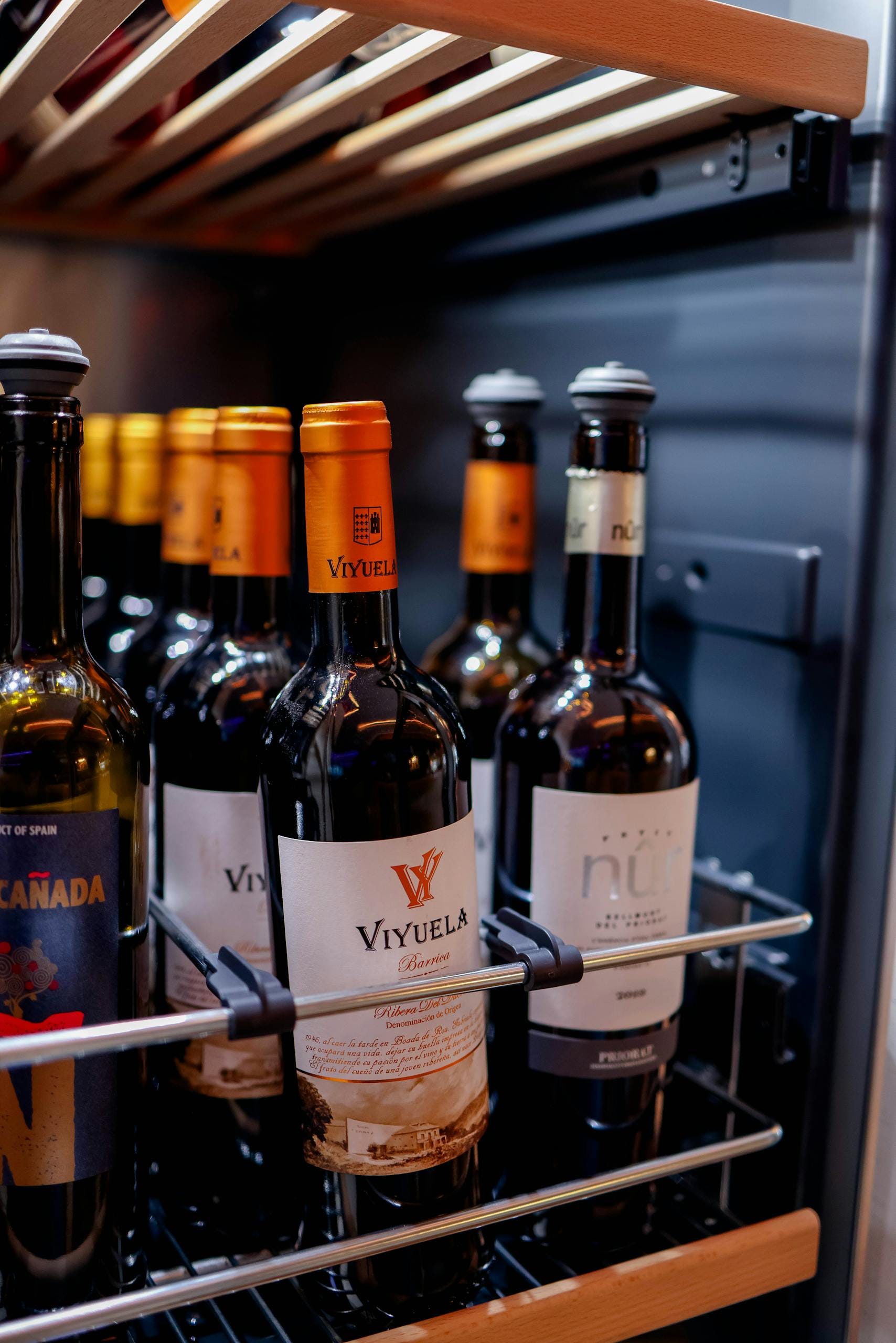
Self-contained wine cooling units, often referred to as “through-the-wall” or “cabinet” coolers, offer a pragmatic solution for collectors constrained by space. These units integrate the evaporator and condenser into a single chassis, designed to be installed through an exterior wall or a dedicated vent.
Heat Dissipation Mechanisms
The fundamental operation of a refrigeration cycle involves the transfer of heat. The evaporator coil, located within the wine enclosure, absorbs heat from the air. This heat is then transferred to a refrigerant, which circulates to the condenser coil, typically located outside the conditioned space, where it is expelled into the surrounding environment.
The Damping Modulus and External Heat Load
The effectiveness of heat dissipation is influenced by what we can term the damping modulus of the external environment. This concept, borrowed from vibration analysis, can be adapted to describe how efficiently heat can be radiated away. Areas with poor airflow around the condenser, or environments with consistently high ambient temperatures (e.g., a south-facing wall directly exposed to afternoon sun), will impede heat dissipation. This forces the compressor to work harder, increasing energy consumption and stressing components. For urban installations, this often means careful consideration of the unit’s placement relative to prevailing winds and direct solar exposure. Proximity to heat sources like building exhaust vents or high-traffic pedestrian areas also requires careful evaluation.
Refrigerant Types and Environmental Impact
Modern self-contained units predominantly utilize refrigerants such as R134a or, increasingly, more environmentally conscious alternatives like R290 (propane). While R290 offers superior thermodynamic efficiency and a lower global warming potential, its flammability necessitates specific installation protocols and adherence to safety standards, particularly relevant in densely populated urban areas.
Serviceability and Component Lifespan
The choice of refrigerant impacts not only environmental considerations but also the long-term serviceability and potential lifespan of the unit. Some older refrigerants may be subject to phase-outs, influencing the availability of replacement parts and qualified technicians. Understanding the warranty terms and the projected availability of service for the specific refrigerant used in the chosen unit is a critical aspect of long-term strategic planning for any serious collector.
Material Science and Enclosure Design
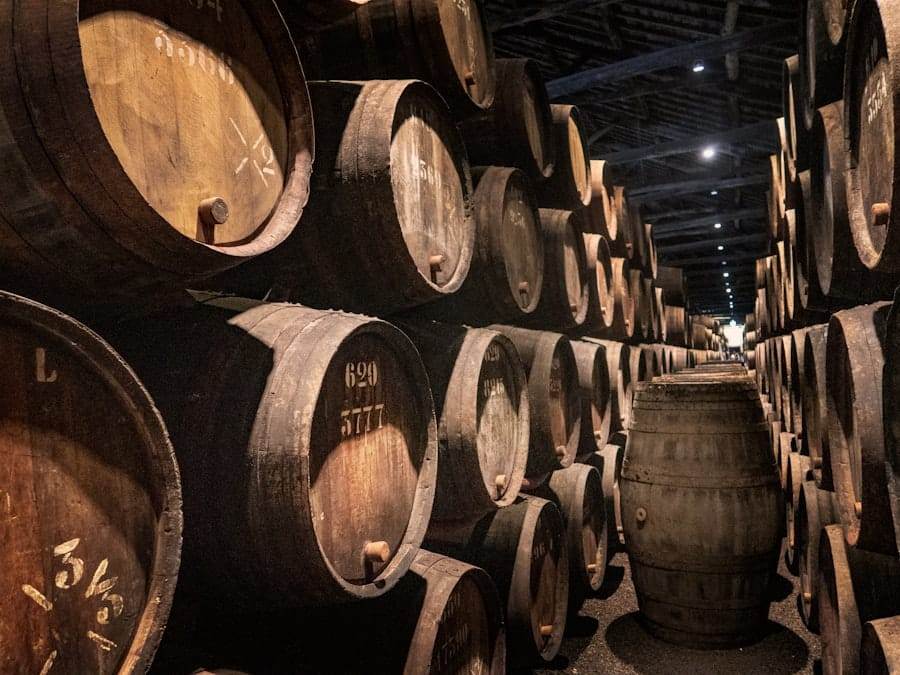
The selection of materials for the wine enclosure is as critical as the cooling unit itself. This is particularly true when integrating a self-contained unit into pre-existing architectural elements.
Vapor Barrier Integrity and Thermal Breaks
As previously discussed, the vapor barrier is the first line of defense against uncontrolled moisture infiltration. Polyethylene sheeting with a minimum thickness of 6 mil is the industry standard for interior vapor barriers. However, in a region characterized by significant diurnal temperature swings and potential for interstitial condensation, a robust vapor barrier strategy is essential.
Addressing Thermal Bridging in Retrofits
In retrofit scenarios, where existing walls or cabinetry may not have been designed with thermal bridging in mind, self-contained units can exacerbate these issues. Metal studs or framing members can act as conduits for heat transfer, negating the effectiveness of insulation. The strategic incorporation of thermal breaks—materials that impede heat flow—within the enclosure assembly is a critical design consideration. For instance, using a non-conductive material like high-density foam board or even specific plastic components between metal framing and interior surfaces can significantly improve thermal performance.
Material Hygroscopicity and Off-Gassing
The inherent hygroscopicity of construction materials is a factor often overlooked by those not specializing in environmental control. Wood, particularly unfinished or porous woods, will absorb and release moisture from the atmosphere. While some wood has a beneficial moderating effect on humidity, excessive hygroscopicity can disrupt the delicate balance maintained by the cooling unit.
Selecting Inert Materials
Furthermore, the potential for off-gassing from glues, sealants, paints, and even the wood itself is a significant concern for oenophiles. Compounds such as volatile organic compounds (VOCs) can be absorbed by the wine, irrevocably altering its flavor profile. In our practice, we preferentially specify low-VOC or zero-VOC materials and ensure adequate ventilation during the construction and curing phases to mitigate this risk. For cabinetry and shelving, materials like powder-coated steel or specifically treated, low-emission hardwoods are often prioritized.
Integration and Aesthetic Considerations
The successful integration of self-contained cooling units requires a nuanced understanding of both technical performance and architectural aesthetics. For the discerning collector and their design professionals, the visual and functional harmony of the enclosure is paramount.
Concealment Versus Display
The decision to conceal or display the cooling unit often dictates the overall design strategy. Some collectors prefer a discreet installation, where the unit is hidden behind a vented cabinet door or within a custom-built credenza, maintaining the illusion of a traditional cellar.
Vented Access Panels and Airflow Dynamics
When concealing the unit, responsible design necessitates adequate airflow. Vented panels or strategically placed louvers are crucial to prevent the unit from overheating and to allow for efficient heat exchange. The size, placement, and aesthetic of these vents should be considered as integral design elements, not afterthoughts. The airflow dynamics around the unit must guarantee that the warm air expelled from the condenser can dissipate freely, preventing a local temperature build-up that would compromise performance.
Custom Cabinetry and Material Palettes
For those aiming for a more integrated aesthetic, particularly in homes inspired by the grandeur of Napa Valley estates, custom cabinetry offers a sophisticated solution. This allows for the cooling unit to be seamlessly incorporated into a larger wine display or storage system.
Alignment with Interior Design Schemas
The material palette chosen for the cabinetry and enclosure should align with the broader interior design schema of the residence. Whether the aesthetic is one of modern minimalism or classical opulence, the chosen finishes and joinery techniques must reflect a commitment to quality and detail. This might involve selecting rift-sawn oak with a natural oil finish to complement a contemporary aesthetic, or perhaps a dark, ebonized walnut with intricate marquete. The integration must be such that the specialized requirements of the cooling unit are met without any visual compromise.
Seismic Considerations and Structural Integrity
The Bay Area’s dynamic geological landscape mandates that all building modifications and installations adhere to rigorous seismic safety standards. This requirement extends to the integration of any mechanically active apparatus, including wine cellar cooling units.
Secure Mounting and Vibration Dampening
Self-contained cooling units, by their nature, incorporate moving parts, notably compressors and fans. These components generate vibrations, which, if not properly managed, can transmit stress to the surrounding structure. During an seismic event, these vibrations can be amplified, posing a risk to both the unit and the adjacent architectural elements.
Anchorage and Load Distribution
Therefore, the secure anchorage of the cooling unit to the building’s structural frame is not merely an installation best practice but a critical safety requirement. This involves utilizing appropriate hardware and techniques to ensure the unit remains stationary during seismic activity. Furthermore, the distribution of the unit’s weight and any operational forces it exerts must be carefully considered within the context of the overall structural load calculations. This may involve reinforcing the wall or cabinetry into which the unit is installed.
Vibration Isolation Systems
To mitigate the impact of operational vibrations and to enhance seismic resilience, the incorporation of vibration isolation systems is often recommended. These systems, typically composed of specialized rubber or spring mounts, effectively decouple the cooling unit from its mounting surface, significantly reducing the transmission of vibrations.
Harmonic Resonance and Material Fatigue
The concern here is not simply about the immediate impact of an earthquake, but also about the cumulative effect of constant, low-level vibrations on building materials over time. Harmonic resonance, a phenomenon where external vibrations match the natural frequency of a structure, can lead to accelerated material fatigue and potential stress fractures. By implementing effective vibration dampening strategies, we not only enhance safety during seismic events but also contribute to the long-term integrity of the surrounding architecture.
In conclusion, the deployment of self-contained cooling units for the discerning urban wine collector in San Francisco is a complex undertaking that necessitates a departure from simplistic HVAC solutions. It demands a rigorous application of psychrometric principles, a thorough understanding of material science, and a meticulous approach to structural integration, all while respecting the unique environmental and seismic demands of our region. By consulting with specialists who possess the requisite technical acumen and architectural foresight, your valuable collection can be preserved in an environment characterized by optimal stability and integrity, allowing your viticultural passions to flourish within the sophisticated confines of your urban abode.
FAQs
What is a self-contained cooling unit for wine storage?
A self-contained cooling unit is an all-in-one system designed to regulate temperature and humidity for wine storage. It includes the compressor, condenser, and evaporator in a single compact unit, making it easy to install and maintain without the need for external components.
Why are self-contained units ideal for urban wine enthusiasts?
Self-contained units are ideal for urban wine enthusiasts because they are space-efficient, easy to install in apartments or small homes, and do not require complex ductwork or external ventilation. This makes them perfect for limited urban living spaces where traditional wine cellar setups may not be feasible.
What temperature range do self-contained wine cooling units typically maintain?
Most self-contained wine cooling units maintain a temperature range between 45°F and 65°F (7°C to 18°C), which is optimal for storing a variety of wines. Some units offer adjustable settings to accommodate different types of wine, such as reds, whites, and sparkling wines.
How do self-contained units control humidity for wine storage?
Self-contained units often include built-in humidifiers or humidity control systems to maintain an ideal humidity level, typically between 50% and 70%. Proper humidity prevents corks from drying out and helps preserve the wine’s quality over time.
Are self-contained cooling units energy efficient?
Many modern self-contained cooling units are designed to be energy efficient, using advanced insulation and compressor technology to minimize power consumption. Energy efficiency varies by model, so it is advisable to check the unit’s energy rating and features before purchasing.