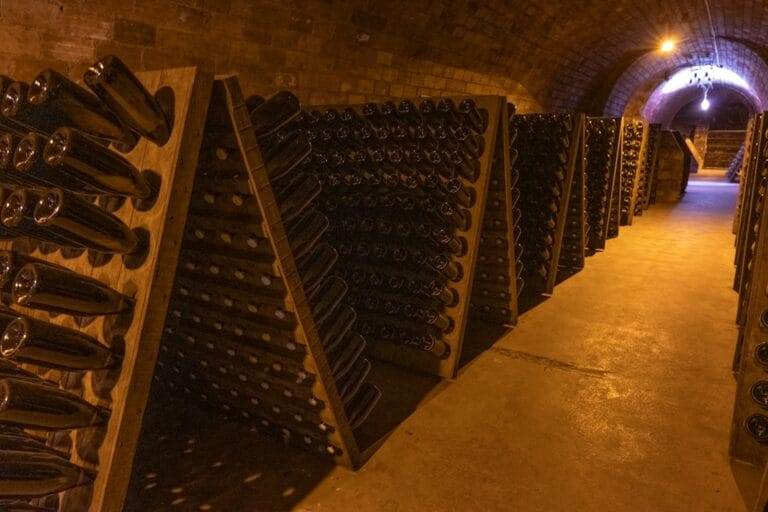

The discerning collector’s wine cellar is not merely a repository for vinous treasures; it is a meticulously engineered environment where art, science, and considerable financial acumen converge. As the custodians of these liquid assets, we are tasked with their preservation – a mandate that extends beyond mere temperature and humidity control to encompass the very presentation of each bottle. In this context, the seemingly simple act of displaying a wine’s label becomes a critical strategic decision, a convergence of aesthetics and environmental governance that directly impacts the longevity and value of the collection. This brief explores the multifaceted advantages of label-forward display, framing it not as a stylistic choice, but as a vital component of infrastructural integrity and investment protection.
The integrity of a wine label is directly linked to the environmental conditions within the cellar. While often overlooked in favor of the liquid contained within, the label itself is susceptible to a cascade of physical and chemical degradation processes, each exacerbated by suboptimal environmental controls. Our objective is to mitigate these forces through intelligent design and display.
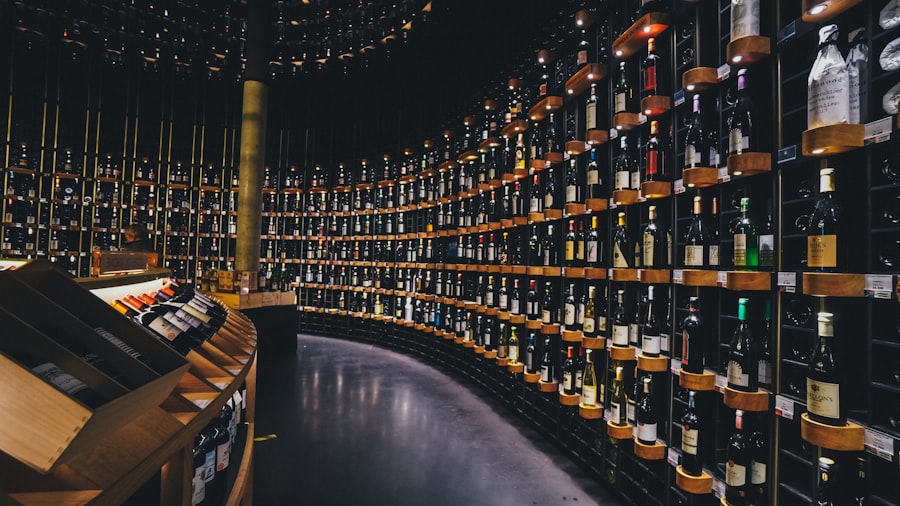
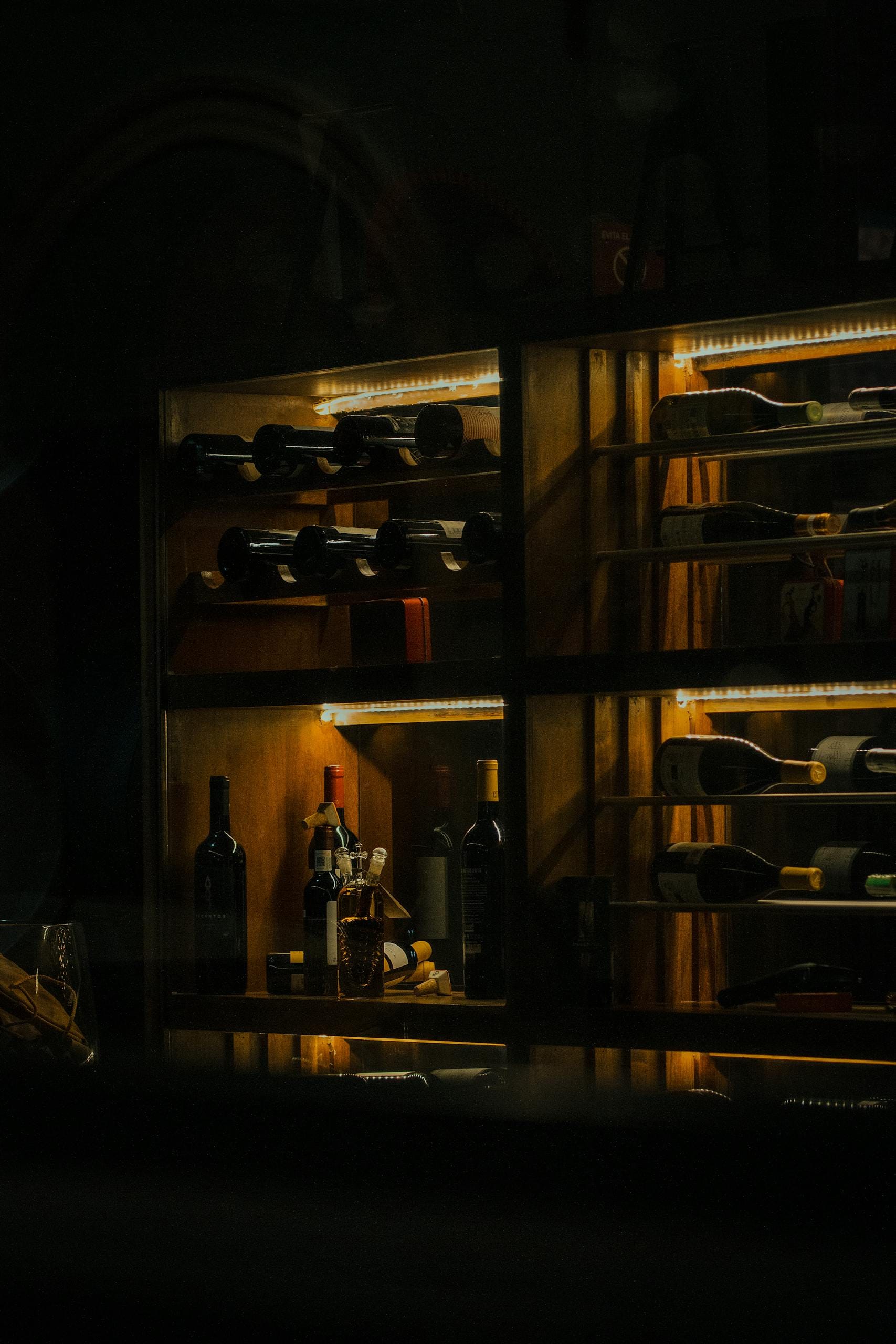
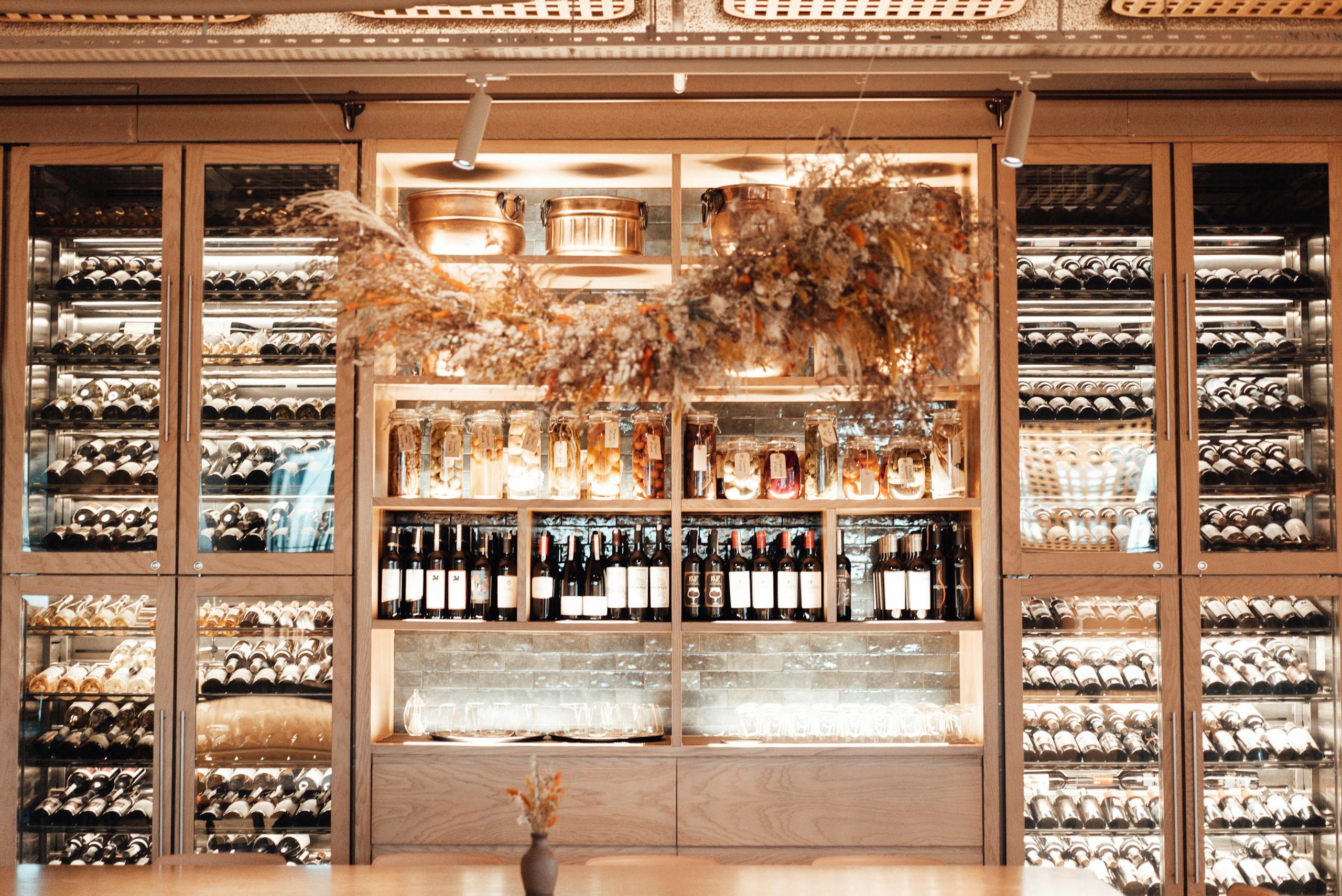
The Unseen Adversary: Ultraviolet Radiation
The primary antagonist to label longevity is ultraviolet (UV) radiation. Even within a controlled environment, ambient light sources, including those from low-emissivity glass or even residual sunlight entering through imperfect seals, can emit UV photons. These high-energy particles possess sufficient power to cleave chemical bonds within the inks and paper fibers of the label. This process, known as photodegradation, results in the irreversible fading of colors, blurring of text, and embrittlement of the paper itself.
Hygroscopic Behavior and Paper Fiber Integrity
The paper of a wine label is inherently hygroscopic, meaning it readily absorbs moisture from its surroundings. Elevated humidity levels, while essential for preventing cork dehydration, can lead to a different set of problems when unmanaged. Excessive moisture absorption causes paper fibers to swell and weaken. Over time, this repetitive swelling and drying cycle, often driven by diurnal temperature fluctuations, leads to a loss of structural integrity. The paper becomes more prone to tearing, creasing, and delamination, particularly around the edges.
Thermal Stress and Material Expansion
Temperature fluctuations, even within the generally accepted narrow range for wine storage, exert thermal stress on the label materials. Different components of the label – paper, ink, adhesive, and any foil or embossing – possess varying coefficients of thermal expansion. As temperatures rise, these materials expand; as they fall, they contract. This differential movement, if significant, can create internal stresses within the label structure, leading to cracking, peeling, and detachment. The resultant detritus, if it falls into the wine, can present a quality concern.
Label-Forward Display: A Strategic Imperative for Investment Protection
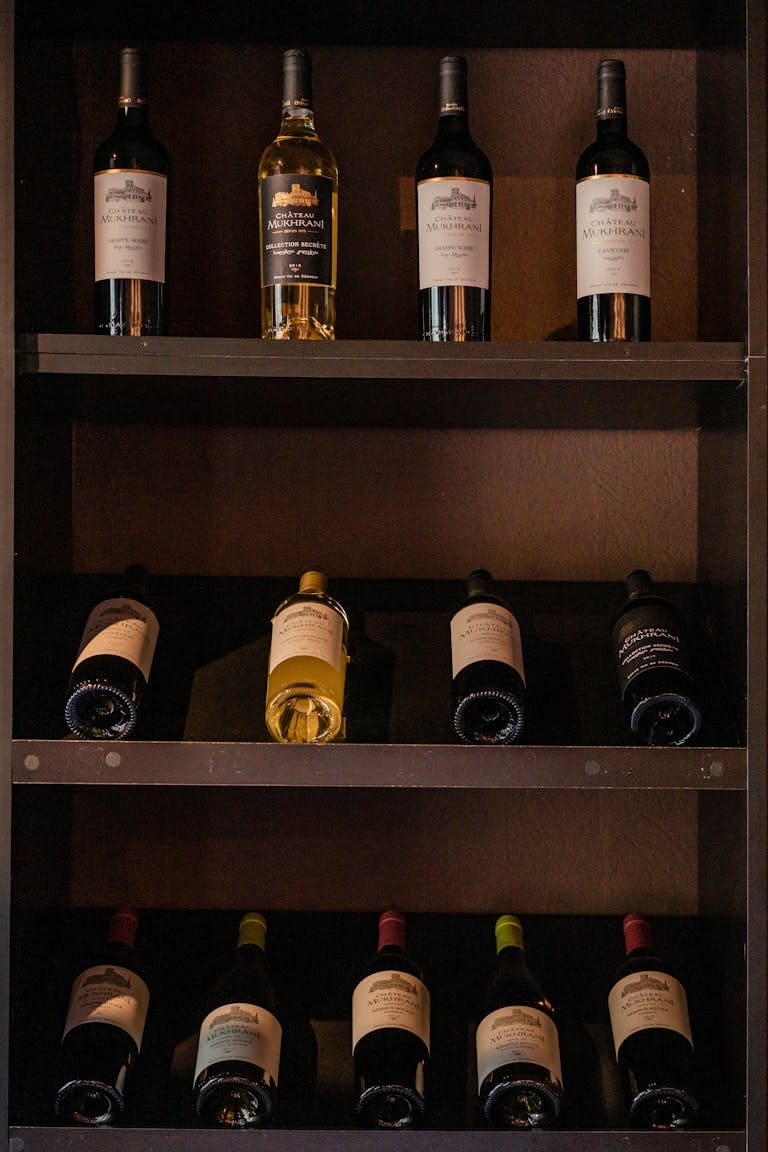
The decision to orient bottles with labels facing outwards, rather than the more traditional cork-outward arrangement, is fundamentally strategic. It is an act of proactive environmental management, designed to offer several key benefits that directly contribute to the financial and organoleptic preservation of the collection.
Enhanced Visibility and Inventory Management
The most immediate and obvious benefit of label-forward display is the unparalleled visibility it affords. For the HNW collector, this translates into an efficient and intuitive method of inventory management. The time otherwise spent extracting bottles to identify their contents is significantly reduced. This not only saves valuable time but also minimizes the physical disturbance of the collection. Each time a bottle is handled, there is a non-zero risk of introducing vibration to other bottles or potentially dislodging nascent crystallization.
The “Digital Twin” of Your Collection
This enhanced visibility allows for a more robust and accurate digital cataloging of the collection. By creating a direct visual record of each bottle’s label, the collector can augment their inventory with detailed tasting notes, purchase provenance, and even predicted optimal drinking windows. This creates a “digital twin” of the physical collection, a powerful tool for strategic decision-making regarding consumption, sale, and acquisition.
Optimized Environmental Exposure
Displaying labels forward allows for a more controlled interaction with the cellar’s microclimate. Instead of the label being in direct contact with the ambient air, it is presented to the air with a degree of separation from the primary source of moisture and potential airborne contaminants. This is particularly relevant for older, more delicate labels.
Mitigating Adhesion Failure
The adhesives used to affix labels to bottles are also subject to environmental degradation. Fluctuations in humidity and temperature can compromise the adhesive bond, leading to peeling or complete detachment. By presenting the label surface to the air rather than the racking, some degree of evaporative cooling can occur on the label itself, potentially reducing the direct impact of thermal fluctuations on the adhesive. Furthermore, this orientation can reduce the direct deposition of dust and particulate matter onto the label surface, which can further weaken the adhesive bond over time by acting as an abrasive.
Preserving the Aesthetic and Narrative of the Collection
Beyond pure financial considerations, the wine collection represents a narrative – a curated journey through vinous history, personal experiences, and evolving tastes. The labels are the visual anchors of this narrative. Label-forward display ensures that this visual narrative remains intact and accessible, enhancing the intellectual and emotional capital of the collection.
The Story Embodied in the Vignette
Each wine label is a carefully crafted work of art in itself. It is a visual summary of the wine’s provenance, its maker’s vision, and often, the terroir from which it originates. The artwork, typography, and historical allusions embedded within a label contribute to its intrinsic value and communicate key information to the discerning eye. Preserving this visual storytelling element is paramount for maintaining the holistic integrity of the collection.
The Unseen Science of Airflow and Label Conditioning
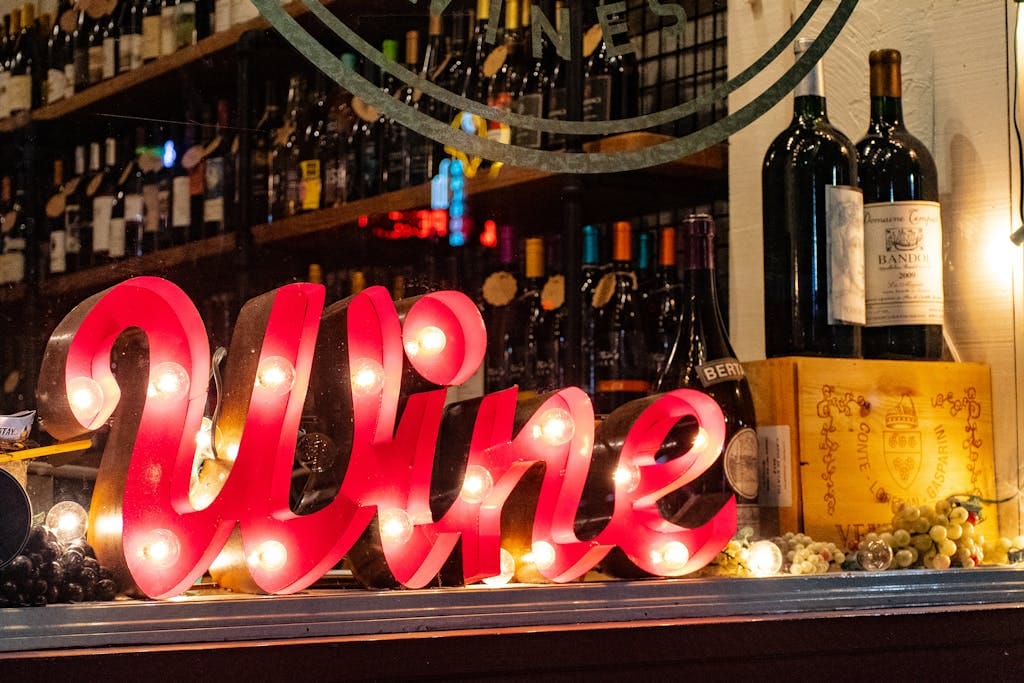
The efficacy of label-forward display is inextricably linked to the sophisticated design of the cellar’s HVAC and airflow systems. The subtle movement of air within the cellar has a profound, albeit often unacknowledged, impact on the preservation of the label.
Laminar Flow and Particulate Management
In an elite wine cellar, sophisticated HVAC systems are engineered to provide laminar airflow. This controlled, unidirectional flow of conditioned air is designed to minimize air turbulence and, crucially, to prevent the buildup of dust and other airborne particulates. Label-forward display ensures that the largest surface area of the label is presented to this clean, conditioned air.
The “Gentle Breeze” Effect
Imagine your collection as a delicate ecosystem. The airflow within the cellar acts as a gentle breeze, facilitating the controlled diffusion of humidity and temperature. When labels are presented forward, they are bathed in this consistent, conditioned air, allowing for a more uniform and less aggressive exchange of moisture with the surrounding atmosphere. This contrasts with a scenario where labels might be pressed against racks or other bottles, creating micro-environments of stagnant air where moisture can accumulate and accelerate degradation.
Humidity Control: A Delicate Equilibrium
While precise humidity control is fundamental to wine preservation, the distribution of that humidity is equally critical. Label-forward display contributes to a more even distribution of humidity around the label. This helps to prevent localized areas of excessive moisture buildup, which can lead to mold growth, label staining, and the aforementioned paper degradation.
Preventing Bottle Condensation and Associated Risks
In environments with imperfect climate control, minor temperature fluctuations can lead to condensation on the external surfaces of the bottles. This condensation, if allowed to remain, can create pockets of high localized humidity that directly attack the label. Label-forward display, by ensuring better air circulation around the entire bottle and its label, helps to minimize the formation and persistence of bottle condensation. This is particularly relevant for bottles stored in proximity to any potential ingress points of warmer, more humid external air.
Functional Form: Integrated Label Display Solutions
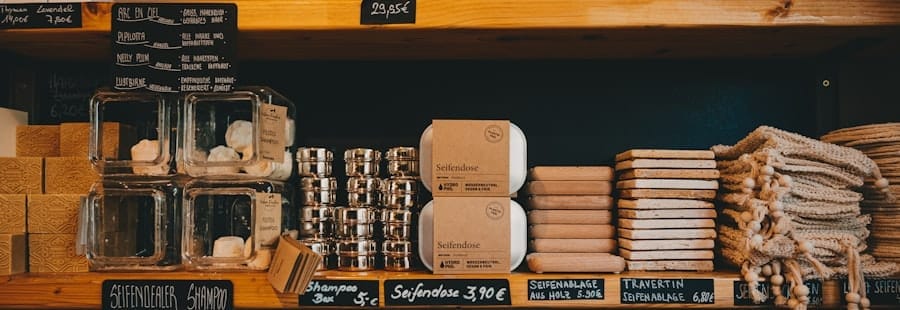
The transition to label-forward display necessitates a thoughtful integration of functional form within the cellar’s overall architectural and design strategy. This is not a mere aesthetic choice; it is a programmatic requirement that informs the selection of racking systems and display methodologies.
Custom-Engineered Racking Systems
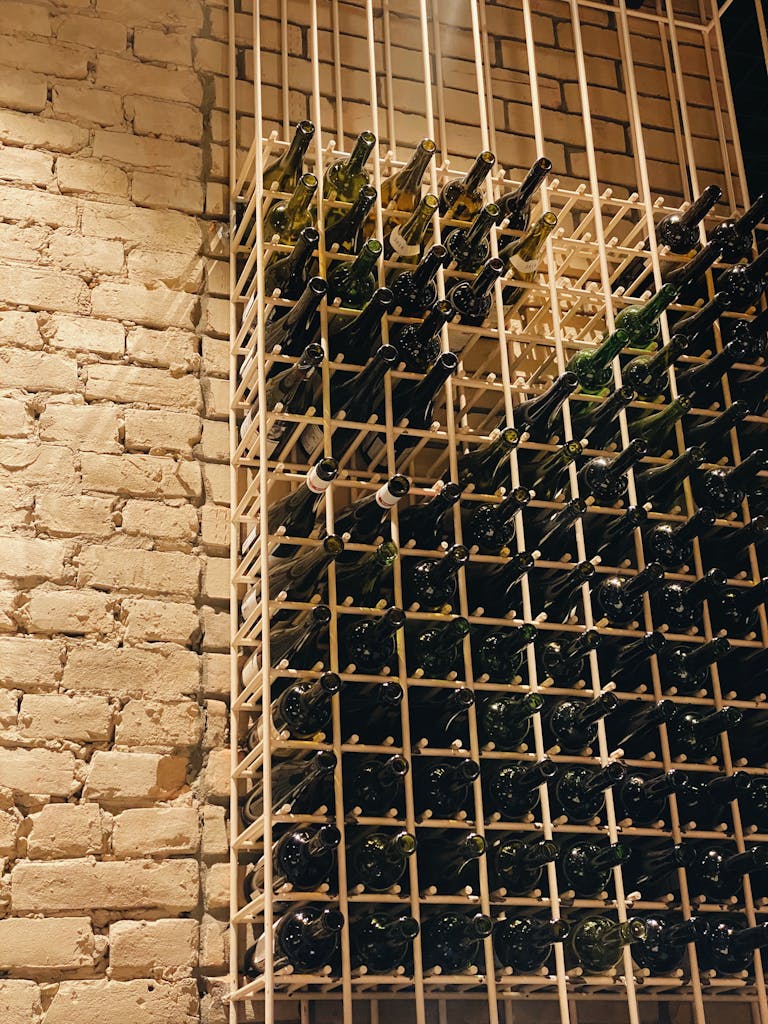
The most effective label-forward display solutions are typically achieved through custom-engineered racking systems. These systems are designed to securely hold each bottle in a label-forward orientation while also ensuring adequate spacing for optimal airflow.
The “Perpendicular Presentation” Principle
The fundamental principle of these systems is the perpendicular presentation of the bottle’s long axis to the shelving surface. This ensures that the label faces outward, unimpeded by other bottles or racking components. Materials selection for these racks is also critical, favoring inert, low-VOC (Volatile Organic Compound) materials that will not off-gas and negatively impact the cellar’s microclimate. Wood, while aesthetically pleasing, must be properly sealed and aged to prevent the leaching of tannins and other compounds.
Display Cabinets and Dedicated Presentation Niches
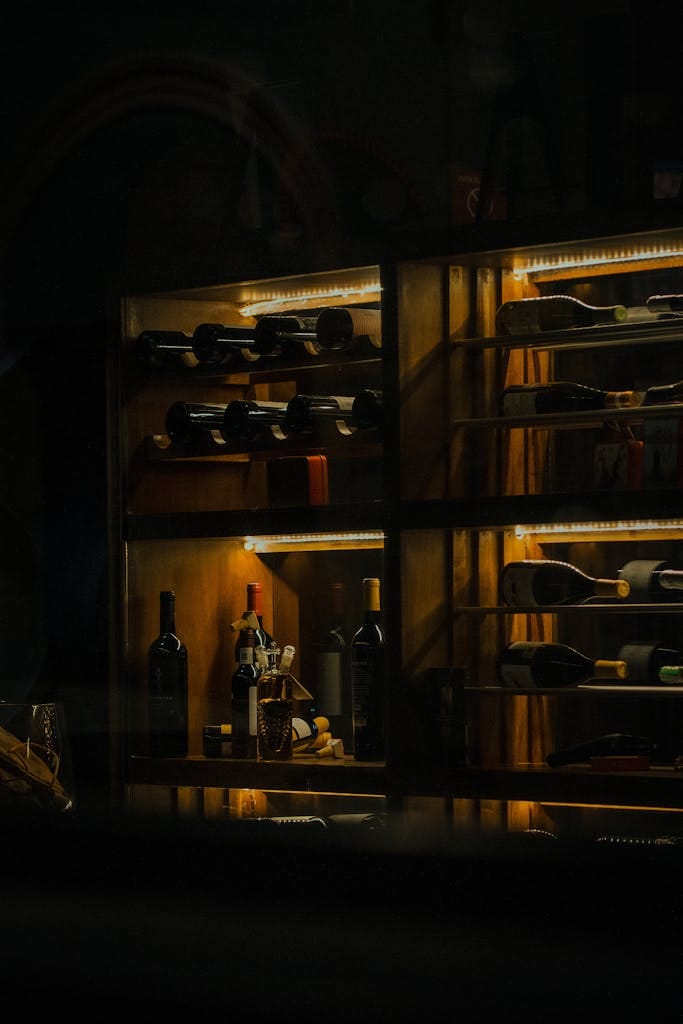
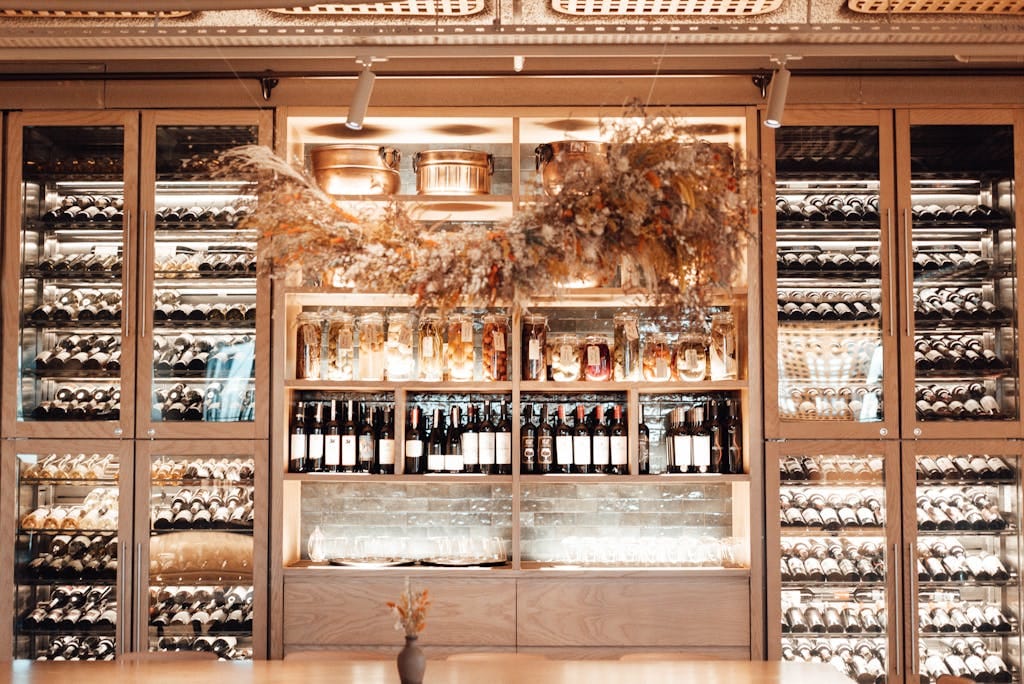
For particularly prized bottles or for creating focal points within the cellar, dedicated display cabinets or alcoves can be employed. These elements are designed with specialized lighting that minimizes UV output and often incorporate independent climate control to create micro-environments optimized for the specific needs of the displayed wines.
The “Art Gallery” Analogy
One can draw an analogy to the display of fine art. Just as a museum curator carefully controls the lighting, temperature, and humidity to preserve a masterpiece, so too must the wine collector approach the display of their most valuable bottles. Dedicated niches, often featuring backlighting with spectrally filtered LEDs, allow the label to be admired while its integrity is rigorously protected. The glass fronts of such cabinets must be of the highest quality, offering superior UV blocking properties.
The Future of Label Preservation: Advanced Materials and Environmental Monitoring
As the science of wine preservation continues to evolve, so too will the techniques and technologies employed to protect our valuable collections. The future of label preservation lies in a proactive, data-driven approach that leverages advanced materials and sophisticated environmental monitoring.
Innovations in Label Material Science
Ongoing research into label materials is yielding greater resistance to environmental stressors. This includes the development of UV-resistant varnishes, archival-quality papers with improved dimensional stability, and novel ink formulations that exhibit enhanced lightfastness.
The “Second Skin” Approach
Imagine labels engineered with a “second skin” – an invisible, ultra-thin protective coating that acts as a barrier against UV radiation and moisture ingress. This technology, while still nascent for widespread application in wine cellars, represents the frontier of label preservation, offering a proactive defense mechanism at the material level.
Integrated Environmental Sensor Networks
The comprehensive monitoring of cellar environmental conditions is no longer a luxury but a necessity. The integration of advanced sensor networks allows for real-time tracking of temperature, humidity, UV levels, and even air quality. This data provides invaluable insights into the subtle dynamics of the cellar environment, enabling early detection of potential issues before they impact the collection.
Predictive Analytics for Preservation
By analyzing the historical data from these sensor networks, we can move towards predictive analytics for wine preservation. This allows for proactive adjustments to HVAC systems, rebalancing of humidity levels, or even alerts for potential external environmental intrusions, ensuring that the collection remains in a state of optimal organoleptic stability and its asset value is meticulously safeguarded. The label, as the vanguard of the bottle’s identity and provenance, is the first line of defense in this comprehensive strategy. Its preservation is not merely an aesthetic consideration; it is a fundamental component of prudent investment management.
FAQs
What is label-forward display?
Label-forward display is a retail merchandising technique where product labels are prominently positioned and clearly visible to customers, making it easier to identify and select items.
Why is label-forward display important in retail?
Label-forward display enhances the shopping experience by improving product visibility, reducing customer search time, and increasing the likelihood of purchase by clearly communicating product information.
Does label-forward display affect sales performance?
Yes, studies have shown that label-forward display can boost sales by attracting customer attention, facilitating quicker decision-making, and encouraging impulse buys.
Is label-forward display only about aesthetics?
No, while label-forward display improves the visual appeal of shelves, its primary purpose is functional—helping customers find products easily and providing clear information to support purchasing decisions.
Can label-forward display be applied to all types of products?
Label-forward display is most effective for packaged goods with clear labeling, but the principles can be adapted for various product categories to enhance organization and customer accessibility.