
The contemporary appreciation for Pinot Noir, a varietal celebrated for its nuanced complexity and ethereal character, presents a growing logistical challenge within the meticulously curated confines of the discerning collector’s wine cellar. As viticultural advancements yield increasingly bespoke expressions of this esteemed grape, often bottled in distinctly wider formats, the fundamental architecture of conventional racking systems is demonstrably tested. This technical brief examines the scientific underpinnings of this evolving requirement, elucidating the critical considerations for architects, builders, and collectors seeking to maintain optimal conditions for these valuable liquid assets. The successful integration of wider Pinot Noir bottles necessitates a departure from standardized solutions, demanding a sophisticated understanding of volumetric displacement, thermal stability, and the preservation of organoleptic integrity.
Historically, the iconic Burgundy bottle has served as the archetypal vessel for Pinot Noir, characterized by its relatively narrow shoulder and straight sides. This standardization facilitated efficient storage and uniform stacking within traditional cellar designs. However, the global proliferation of premium Pinot Noir producers, each striving for unique branding and perceived quality, has led to a diversification of bottle shapes and dimensions. Many producers, particularly those in New World regions and those aiming for a more robust presentation, have adopted wider-bodied bottles. These can range from slightly broader shoulders to significantly larger girths, presenting a substantial increase in volumetric footprint. This shift, while indicative of a thriving market and producer innovation, introduces a primary design constraint for cellar architects.
Producer Influence and Market Trends
The decision to utilize wider bottles often stems from a confluence of factors. Some producers aim to project an image of prestige and substance, believing a heavier, broader bottle conveys a sense of gravitas and value. Others may choose these formats to accommodate specific wine styles or to differentiate themselves on crowded retail shelves. Regardless of the producer’s intent, the collector is left with a tangible reality: their meticulously acquired inventory now occupies more physical space per bottle. This necessitates a proactive reassessment of cellar capacity and racking configuration to avoid compromising the overall organizational structure and the preservation environment. Ignoring this demographic shift in bottling can lead to suboptimal storage, effectively creating a bottleneck in the carefully engineered ecosystem of a high-performance wine cellar.
The Challenge for Standardized Racking
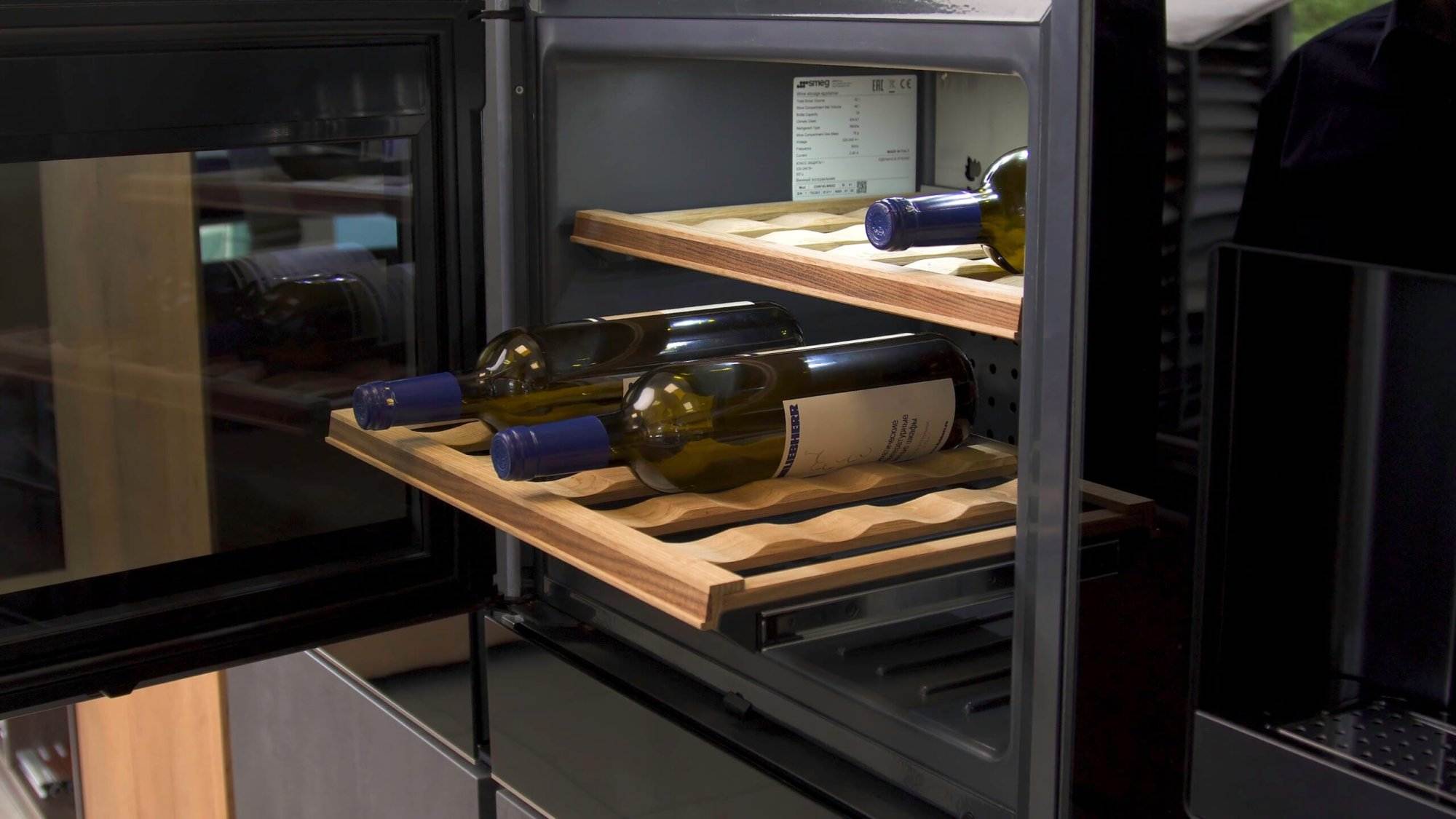
Standard racking systems, typically designed with uniform bottle dimensions in mind, often struggle to accommodate these wider formats. The inter-bottle spacing, crucial for maintaining airflow and preventing condensation buildup, can be significantly reduced. Furthermore, the lateral dimensions of many standard racks are simply insufficient, leading to bottles that protrude, risk damage, or cannot be stored securely. This forces collectors into a compromise: either dedicating disproportionately large amounts of space to fewer bottles, or accepting a compromised storage solution that may inadvertently jeopardize the wine’s long-term viability. This is not merely an aesthetic inconvenience; it is a fundamental challenge to the scientific principles of wine preservation.
The Physics of Volumetric Displacement and Airflow
The principle of volumetric displacement, as articulated by Archimedes, is profoundly relevant here. Each bottle, regardless of its contents, occupies a specific volume. When bottle dimensions expand, the total volume occupied by a given number of bottles increases. Within the confined and precisely controlled environment of a wine cellar, this amplified volumetric displacement has cascading effects. Adequate airflow is paramount for maintaining uniform temperature and humidity levels, and for mitigating the risk of mold and mildew. Insufficient spacing, a direct consequence of accommodating wider bottles in standard racks, impedes this critical airflow.
Lateral Spacing and its Thermal Implications
The lateral spacing between bottles is a direct determinant of airflow efficiency. In a properly designed cellar, cool air circulates freely, rising from cooling units, distributing evenly across the racks, and exhausting. When wider bottles are crammed into a rack system designed for narrower formats, this circulation is disrupted. The narrow gaps become vectors for stagnation, creating microclimates within the cellar that deviate from the intended stable parameters. This can lead to localized temperature fluctuations, a primary adversary of long-term wine aging. Think of it as attempting to fit oversized geological samples into a collection of standard display cases; the inherent inefficiency compromises the integrity of the entire exhibit.
Humidity Control and Condensation Management
Closely linked to airflow is humidity control. Wine cellars are typically maintained at a relative humidity of approximately 50-70%. While this range is conducive to cork health and preventing excessive evaporation, insufficient airflow can lead to condensation forming on the exterior of bottles, especially in cooler areas of the cellar. This condensation, if left unchecked, can promote mold growth on labels and corks, potentially penetrating the cork and affecting the wine itself. Wider bottles, by forcing closer proximity, exacerbate this risk, creating damp pockets where microbial activity can flourish.
Reimagining Racking Architecture for Wider Formats

Addressing the “Pinot Noir Predicament” requires a strategic pivot in racking design. This is not a call for mass-produced utilitarian solutions, but for bespoke architectural interventions that harmonize with the cellar’s overall aesthetic and, more critically, its scientific objectives. The objective is to create a system that can fluidly accommodate a diverse range of bottle sizes without compromising the foundational principles of wine preservation.
Custom-Engineered Racking Solutions
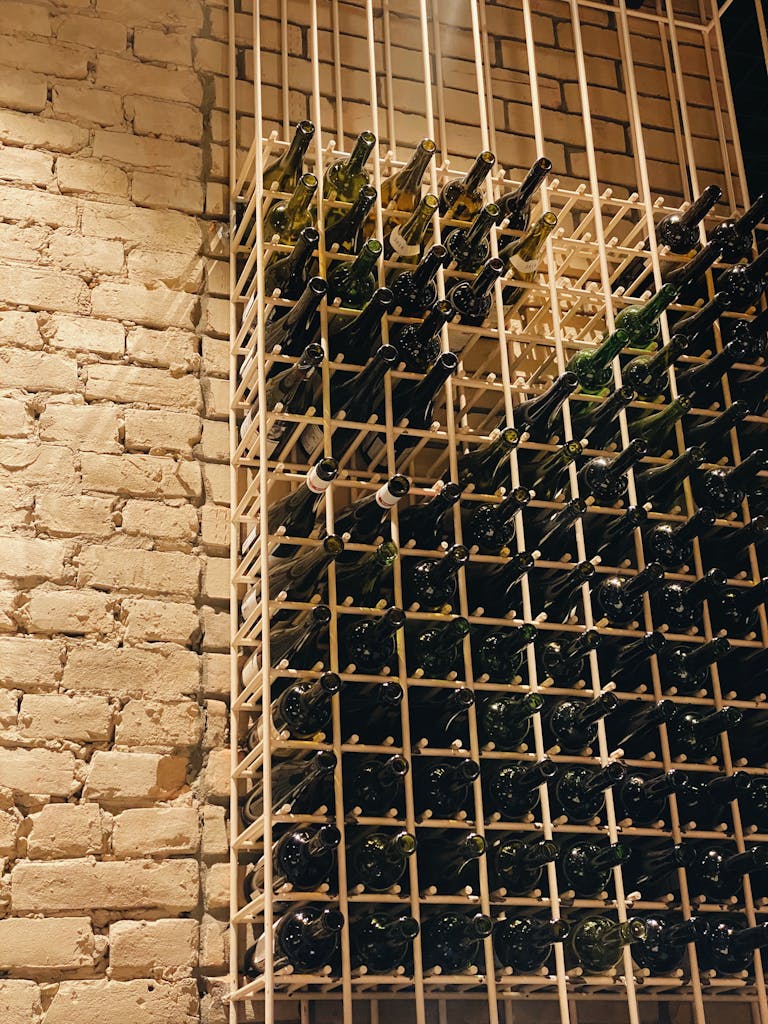
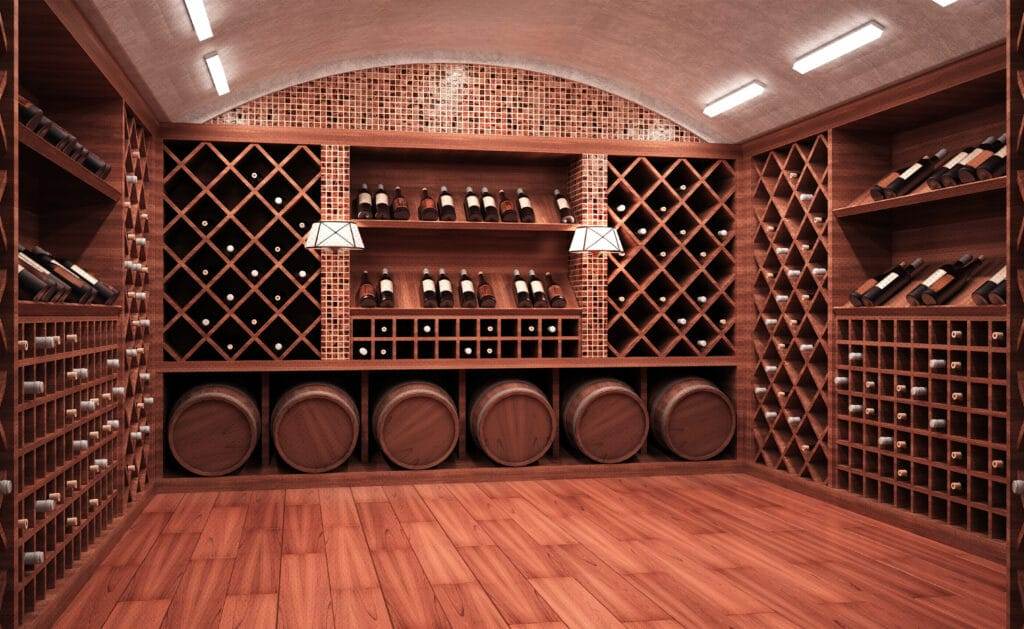
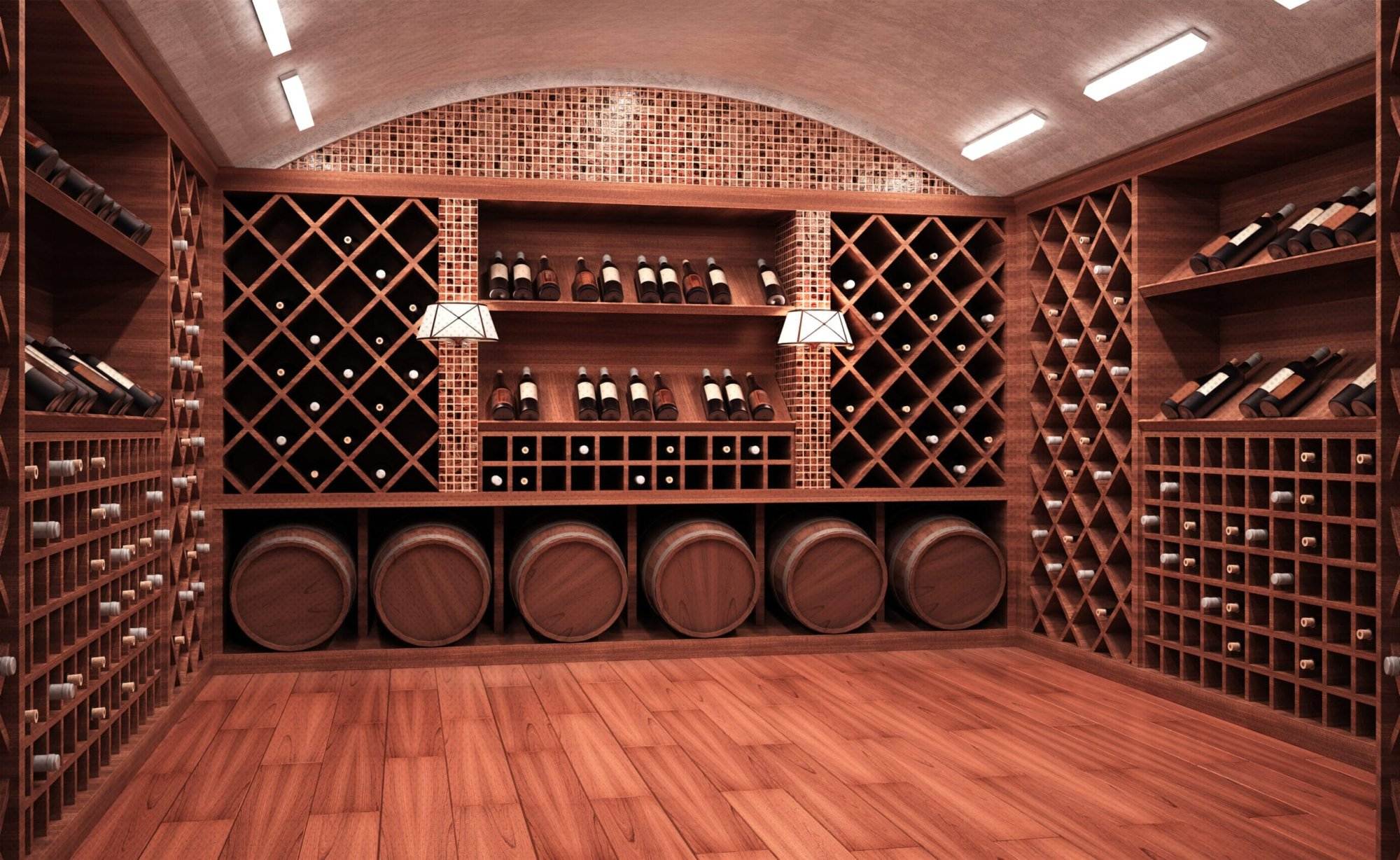
The most effective solution lies in custom-engineered racking. This involves precise measurement of the widest Pinot Noir bottles in a collection and designing rack modules with appropriately calibrated inter-bottle spacing and overall width. These modules can be integrated into existing or new racking configurations, creating dedicated zones for wider formats without disrupting the storage of standard bottles. This approach allows for the preservation of valuable cellar real estate while ensuring each bottle, regardless of its dimension, has the optimal environment for aging.
Material Science in Racking Design
The choice of materials for custom racks is also a critical consideration. While wood remains a popular aesthetic choice, its hygroscopic nature requires careful consideration. Certain hardwoods, when properly sealed and treated, can be excellent. However, for enhanced stability and reduced moisture absorption, architects and builders may consider utilizing engineered materials that offer superior dimensional stability and are less prone to expansion and contraction with humidity fluctuations. This ensures the racking itself does not become a variable in the cellar’s environmental equation.
The Case for Modular and Adjustable Systems
For collectors with a constantly evolving inventory or those who anticipate future shifts in bottling trends, modular and adjustable racking systems offer a compelling degree of flexibility. These systems can be reconfigured, their internal spacing adjusted, or additional modules added with relative ease. This proactive approach anticipates future challenges, preventing obsolescence of the racking infrastructure and safeguarding the long-term investment in the wine collection.
Lateral Capacity Optimization
Beyond simply widening individual slots, an architectural strategy for wider bottles involves optimizing lateral capacity. This might mean rethinking the overall layout of the cellar, dedicating specific walls or sections to these formats, or employing specialized racking configurations that offer a narrower footprint per bottle in exchange for greater depth. The goal is to achieve a net increase in storage for these specific bottles without a proportional decrease in the total cellar volume.
Preserving Organoleptic Stability: The Ultimate Objective

The overarching goal of any wine cellar, and indeed any wine storage strategy, is the preservation of organoleptic stability. This refers to the wine’s sensory characteristics – its aroma, flavor, color, and texture. Compromises in environmental control, stemming from inadequate racking solutions, directly undermine this objective. The subtle nuances that define a fine Pinot Noir, its delicate tannins, its complex aromatic profile, are all susceptible to environmental degradation.
Temperature Stability: The Foundation of Aging
Temperature is arguably the single most critical factor in wine aging. Fluctuations, even minor ones, can accelerate chemical reactions within the wine, leading to premature aging, loss of fruit character, and the development of undesirable off-flavors. Wider bottles, when inadequately spaced, create thermal inefficiency, hindering the cellar’s ability to maintain a consistently stable temperature throughout the entire collection. This is akin to leaving delicate scientific instruments exposed to uncontrolled environmental shifts; their precision is inevitably compromised.
Humidity and Cork Integrity
As previously discussed, humidity plays a vital role in maintaining cork integrity. A dry cork can shrink, allowing oxygen to ingress and leading to oxidation of the wine. A cork that is too frequently exposed to condensation can become compromised, potentially leading to spoilage. The close proximity necessitated by ill-fitting racking systems can exacerbate these issues, creating a less than ideal environment for the seal that protects the liquid asset.
Conclusion: Integrating Form and Scientific Function
The “Pinot Noir Predicament” is not an insurmountable challenge, but rather a subtle evolution in the demands placed upon elite wine storage architecture. It requires architects and builders to move beyond standardized solutions and embrace a more scientifically informed and bespoke approach. By understanding the physics of volumetric displacement, airflow dynamics, and the paramount importance of organoleptic stability, one can design and implement racking systems that accommodate the growing diversity of Pinot Noir bottle formats. This ensures that the collector’s investment in these exquisite liquid assets is not only preserved but is allowed to mature as intended, offering its full contemplative potential. The sophisticated wine cellar is a testament to meticulous planning, where aesthetic considerations are inextricably linked to rigorous scientific governance, safeguarding a collection for generations to come. The width of a Pinot Noir bottle is not merely a physical dimension; it is a data point that informs a critical architectural and environmental strategy.
FAQs
What is the main issue discussed in “The Pinot Noir Problem: Racking for Wider Bottle Diameters”?
The article addresses the challenges winemakers face when racking Pinot Noir wine into bottles with wider diameters, which can affect the wine’s quality and aging process.
Why does bottle diameter matter in the racking process of Pinot Noir?
Bottle diameter influences how the wine interacts with oxygen and sediment during racking. Wider bottles may alter the flow and exposure, potentially impacting the wine’s flavor and preservation.
How does racking affect the quality of Pinot Noir wine?
Racking helps separate the wine from sediment and clarifies it, but improper racking, especially with wider bottles, can introduce oxygen or disturb sediment, negatively affecting the wine’s taste and stability.
Are there specific techniques recommended for racking Pinot Noir into wider bottles?
Yes, the article suggests adjusting racking methods to accommodate wider bottle diameters, such as controlling flow rates and minimizing oxygen exposure to maintain wine integrity.
Does the bottle diameter impact the aging potential of Pinot Noir?
Bottle diameter can influence the wine’s aging by affecting oxygen ingress and sediment distribution, which are critical factors in how Pinot Noir develops over time.