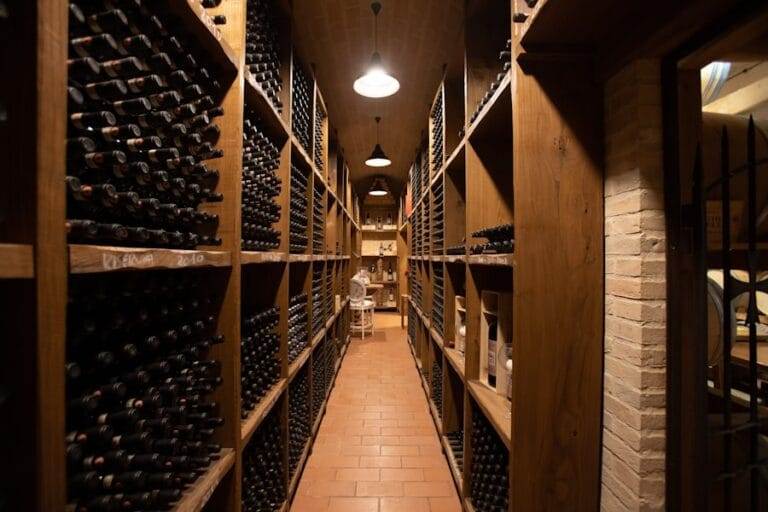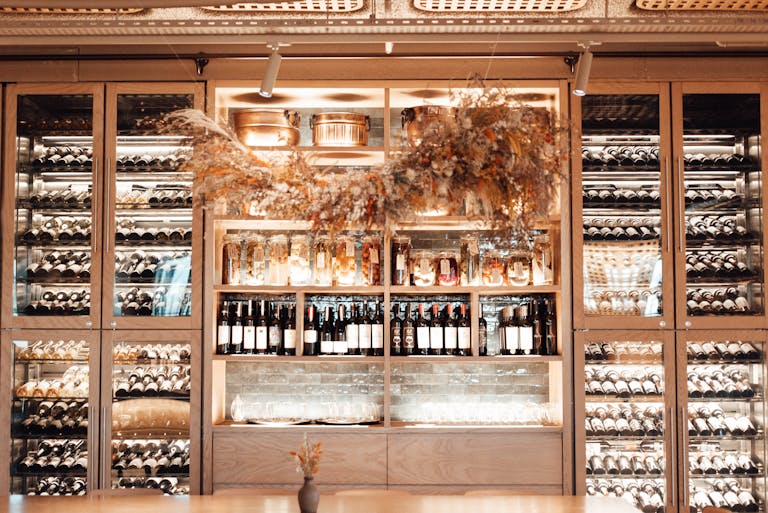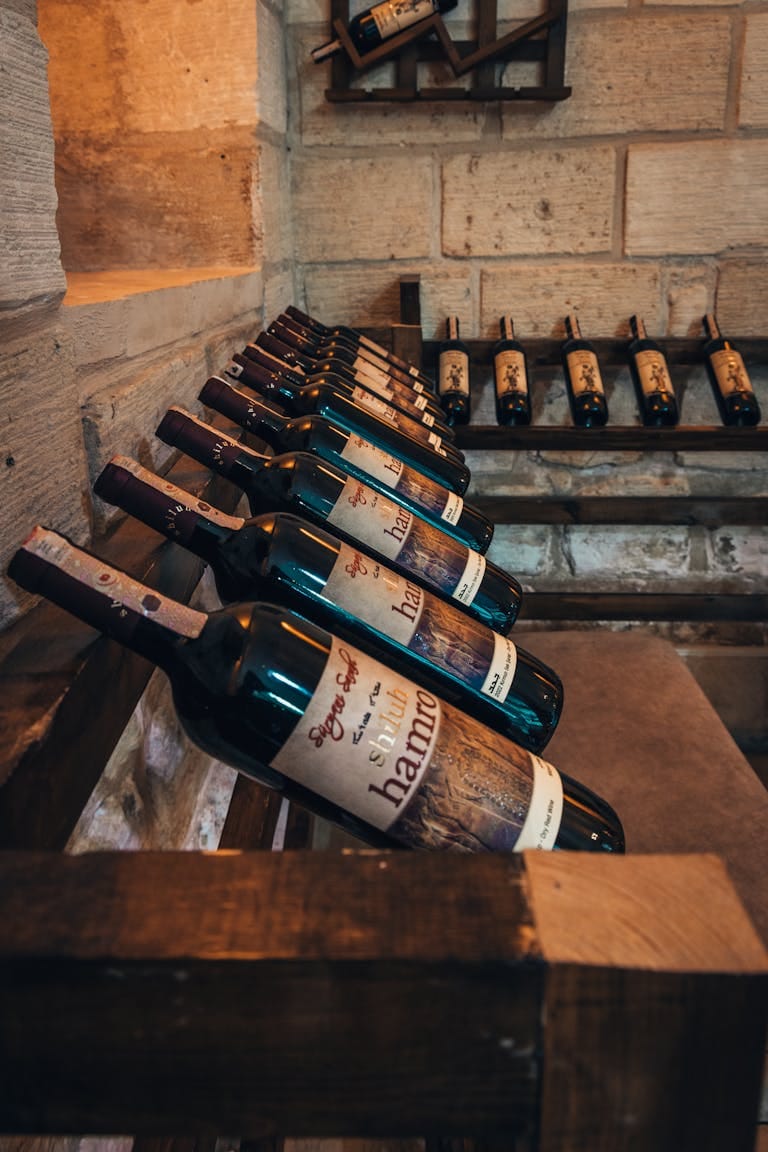

The intrinsic value of a fine wine collection extends beyond its immediate appreciation; it encompasses its enduring legacy. For the discerning collector in the Bay Area, a wine cellar is not merely a storage facility but a meticulously engineered environment designed to preserve and enhance the inherent potential of each vintage. Achieving optimal wine longevity necessitates a profound understanding of material science as it pertains to the cellar’s structural and interior components. Among the pantheon of premium hardwoods, walnut stands as a subject of considerable interest due to its unique combination of aesthetic appeal and performance characteristics within the demanding microclimate of a wine cellar. This document serves as a consultative guide, delineating the scientific principles and practical considerations governing the judicious selection and integration of walnut in custom cellar construction for the sophisticated Northern California estate.
The fundamental challenge in wine cellar design revolves around maintaining a stable, controlled environment that mitigates deleterious fluctuations in temperature and humidity. This is governed by the principles of psychrometrics – the study of the thermal-physical properties of moist air and their relation to human comfort and industrial processes. For a wine cellar, the target psychrometric parameters typically fall within a narrow band: a temperature range of 55°F (13°C) ± 2°F and a relative humidity of 70% ± 5%. Deviation from these parameters can accelerate unwanted chemical reactions, lead to cork degradation, and compromise the long-term aging potential of the wine.
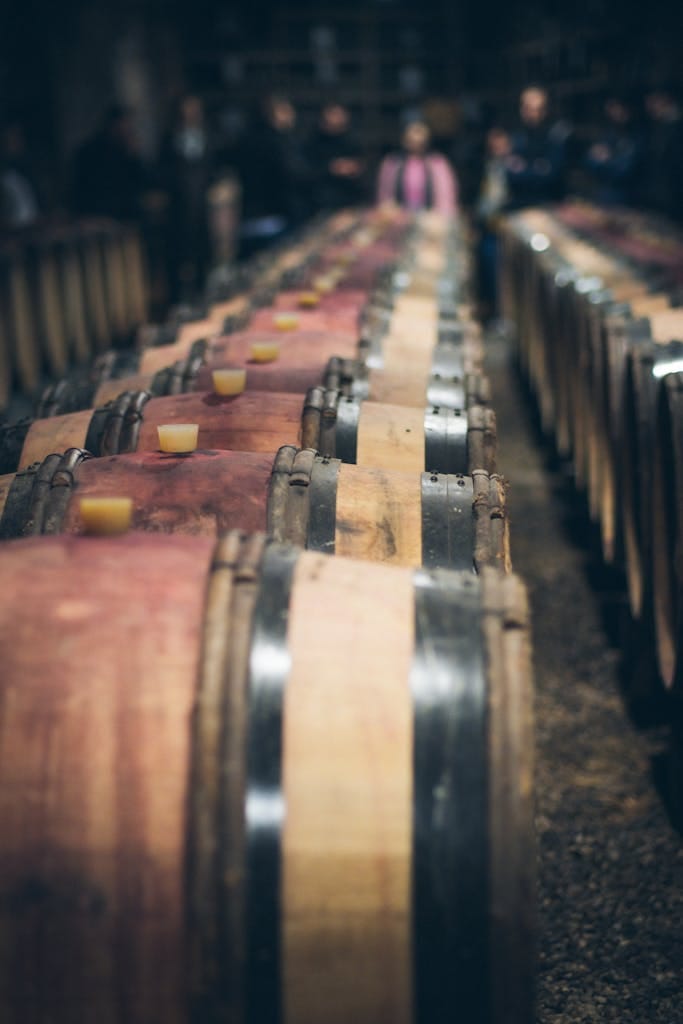
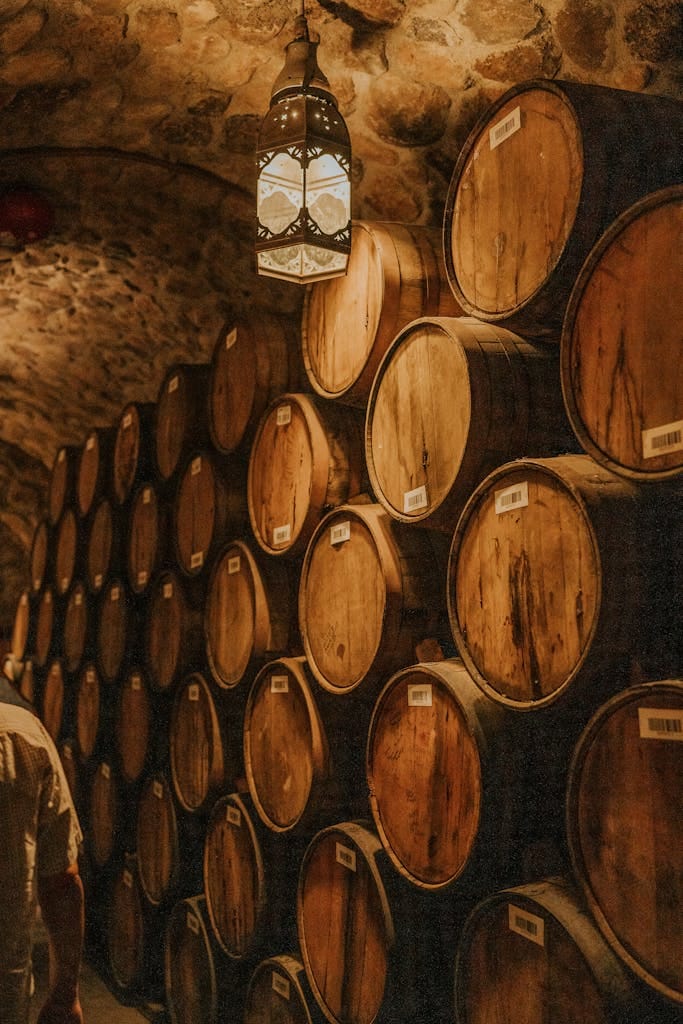
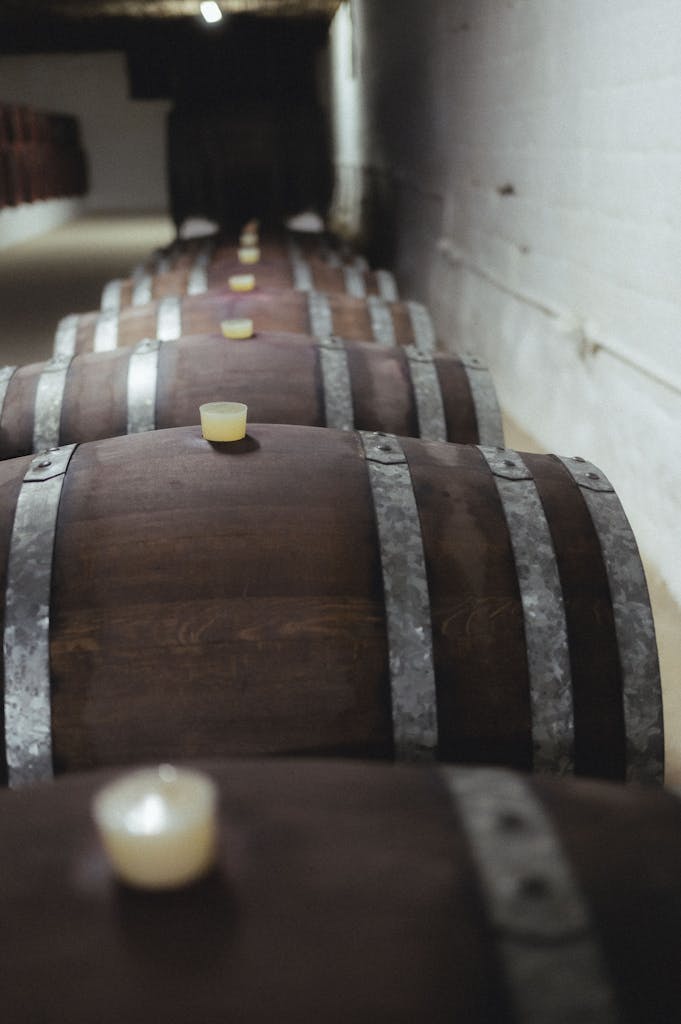
Understanding Vapor Pressure Gradients
The movement of moisture within building assemblies is driven by vapor pressure gradients. In the humid coastal air of the Bay Area, particularly in proximity to the Pacific, ambient relative humidity can present a significant challenge. A properly engineered cellar must act as a barrier against external moisture ingress while simultaneously regulating internal vapor dynamics. The selection of interior finishes, such as hardwoods, directly contributes to the overall vapor barrier integrity of the enclosure. Their hygroscopicity – the tendency to absorb and release moisture from the atmosphere – is a critical factor.
The Symbiotic Relationship with Climate Control Systems
While advanced climate control systems are indispensable for managing the cellar’s thermal equilibrium, the choice of building materials plays a crucial, albeit often overlooked, role in supporting these systems. Materials that exhibit a high degree of hygroscopic variability can place an undue burden on refrigeration and humidification units, demanding increased energy expenditure and potentially leading to premature component failure. Conversely, materials with moderate hygroscopicity and predictable moisture exchange characteristics can contribute to a more stable microclimate and reduce system workload.
Walnut’s Hygroscopic Profile: A Comparative Analysis
The selection of hardwoods for wine cellar construction necessitates a thorough evaluation of their hygroscopic properties. This attribute directly impacts a material’s dimensional stability and its capacity to absorb or release moisture, thereby influencing the internal humidity of the cellar. Walnut, specifically Black Walnut ( Juglans nigra ), has long been favored in high-end millwork and furniture for its nuanced interplay of strength, workability, and aesthetic depth. Its hygroscopic profile, when compared to other commonly considered cellar hardwoods, offers distinct advantages.
Moisture Content and Dimensional Stability
The equilibrium moisture content (EMC) of a wood species is the moisture content it will attain when in equilibrium with the surrounding atmosphere. For Black Walnut, under typical cellar conditions (around 55°F and 70% RH), its EMC is generally moderate. This moderate EMC translates to superior dimensional stability compared to woods with higher hygroscopicity, such as oak or maple, which are more prone to swelling and shrinking with fluctuations in ambient humidity. This inherent stability is paramount in preventing structural issues within the cellar, such as the warping of racks or the separation of panels.
Empirical Data and Coefficient of Expansion
Scientific studies quantify wood’s dimensional response to changes in moisture content. The coefficient of expansion indicates how much a material will change in size per unit change in moisture content. While precise figures vary based on sapwood, heartwood, and grain orientation, walnut generally exhibits a lower coefficient of expansion than many alternatives. This predictability in dimensional change is analogous to the predictable stress-strain behavior of engineered steel; it allows for precise joinery and a more robust final construction, especially critical when considering the seismic resilience demanded by Bay Area building codes.
Porosity and Vapor Permeability
The porosity of wood, referring to the interconnectedness of its cellular structure, dictates its vapor permeability – the rate at which water vapor can pass through it. Walnut, with its relatively dense cell structure, generally possesses a lower vapor permeability compared to more open-grained woods. This characteristic assists in creating a more effective vapor retarder, slowing the migration of moisture from potentially humid exterior environments into the conditioned cellar space, a critical consideration in regions experiencing the pervasive salt-air humidity of the Richmond District or the fog line prevalent along the coast.
The Damping Modulus: Mitigating Vibrational Disturbances
Beyond psychrometric considerations, the physical properties of cellar materials play a significant role in the long-term preservation of wine. One such property is the damping modulus, which quantifies a material’s ability to dissipate vibrational energy. Vibrations, however minute, can disturb the delicate sedimentation processes within aging wines and potentially disrupt the molecular bonds responsible for flavor development.
The Subtle Impact of Environmental Vibrations
In urban environments, and even in more secluded estates, ambient vibrations are ubiquitous. These can arise from seismic activity, HVAC system operation, traffic, or even the subtle resonance of a meticulously crafted home. While the human ear may not perceive these low-level vibrations, their cumulative effect on stored wine can be detrimental over extended aging periods. A material with a high damping modulus effectively absorbs and dissipates this energy, acting as an acoustic and vibrational buffer.
Material Density and Internal Friction
The damping modulus is intrinsically linked to a material’s density and internal friction. Denser materials often exhibit greater mass, which can help absorb vibrations. More importantly, internal friction within the material’s cellular structure as it deforms dissipates the kinetic energy of the vibration as heat. Walnut, due to its relatively dense structure and the complex arrangement of its cellular material, exhibits favorable damping characteristics. This attribute contributes to a more quiescent internal environment for the wine, akin to the soundproofing achieved in acoustically sensitive concert halls.
The Case for Solid Hardwood Construction
The application of solid walnut, as opposed to composite materials or veneers in critical structural or racking elements, amplifies the benefits of its damping modulus. The monolithic nature of solid timber allows for more effective energy dissipation throughout the entire component. This stands in contrast to engineered wood products, where adhesive layers and variations in material composition can create interfaces that transmit rather than absorb vibrational energy. This principle underscores the importance of specifying solid walnut for racking systems and wall paneling where direct contact with wine vessels will occur.
Finish Integrity and Vapor Barrier Management
The protection and longevity of any wood species within a wine cellar are inextricably linked to the integrity of its applied finish and the overall vapor barrier strategy of the cellar’s construction assembly. For walnut, selecting appropriate finishes is not merely an aesthetic choice but a critical engineering decision that impacts the material’s performance within the controlled psychrometric environment.
The Role of Sealants and Lacquers
A well-applied finish serves multiple functions. Primarily, it acts as a controlled barrier against excessive moisture exchange, moderating the hygroscopic tendencies of the wood. For walnut, finishes that provide a robust, yet breathable, seal are ideal. Penetrating oils can offer a more natural aesthetic and allow for localized repair, while high-performance lacquers, when applied meticulously, can provide a more impermeable surface. The key is to ensure the finish remains intact and free from micro-cracks that could compromise its vapor retardant capabilities.
Application Techniques and Layering
The application technique and the number of layers are critical. For walnut, a common approach involves a pre-sealer followed by multiple thin coats of the chosen topcoat. Each layer should be inspected for uniformity and defects before the next is applied. The absence of visible brush strokes or imperfections is not solely an aesthetic objective; it signifies a continuous and homogeneous barrier, essential for preventing localized moisture ingress or egress. This meticulous layering process can best be compared to the precision required in applying protective coatings to sensitive aerospace components.
Interplay with the Primary Vapor Barrier
It is imperative to understand that the wood finish is not the primary vapor barrier. The cellar’s foundation, walls, and ceiling must incorporate a continuous and robust primary vapor barrier, typically installed on the warm (exterior) side of the insulation. The walnut components, finished appropriately, then serve as an interior secondary barrier, contributing to the overall system’s performance and buffering against minor breaches or imperfections in the primary barrier, a vital consideration for the seismic resilience demanded in the Bay Area.
Aesthetic Longevity and Material Patina
Beyond the purely functional aspects, the aesthetic longevity of walnut contributes significantly to the perceived value and enduring appeal of a custom wine cellar. The rich, deep hues and the subtle grain patterns of Black Walnut possess a timeless quality that complements a wide range of interior design philosophies, from the understated elegance of modern minimalist spaces to the robust character of traditional estates.
The Natural Aging of Walnut
Unlike some materials that degrade or fade with age, walnut develops a desirable patina over time. Its natural oils, when exposed to ambient light (even the low levels found in a cellar), can deepen its color and enhance its luster. This characteristic aging process is predictable and generally contributes to a richer, more complex visual character rather than a sign of deterioration. This is analogous to the way a fine leather accessory develops a rich, worn-in feel that enhances its desirability.
Color Variation and Grain Development
The natural color variation within walnut, ranging from pale brown to deep, dark brown with undertones of purple or gray, is a hallmark of its authenticity and individuality. The character of the grain, whether straight, wavy, or figured, adds a dynamic visual element that is visually engaging. When properly selected and matched by experienced designers and builders, these variations can be leveraged to create a visually harmonious and sophisticated interior.
Integration with the Northern California Aesthetic
The aesthetic of walnut aligns exceptionally well with the prevalent design sensibilities in Northern California. Its organic warmth and inherent sophistication resonate with the natural beauty of the region, from the rolling vineyards of Napa Valley to the architectural styles of historic Bay Area homes. Walnut can be incorporated into a custom cellar design to echo the exterior vernacular of a Napa Valley estate, providing a seamless transition between the dwelling and its subterranean repository of fine wines. Its natural luxuriance offers a tactile and visual experience that is both grounded and aspirational, reflecting the discerning tastes of our clientele.
In conclusion, the selection of walnut for premium wine cellar construction is a decision grounded in a sophisticated understanding of material science, psychrometrics, and aesthetic longevity. Its moderate hygroscopicity, favorable damping modulus, and inherent aesthetic appeal – when integrated within a well-engineered system and protected by appropriate finishes – establish it as a superior choice for the discerning collector and the expert builder alike. By consulting with architectural strategists who possess this depth of knowledge, clients can ensure their wine cellar is not only a state-of-the-art storage solution but a legacy investment that will preserve and enhance their collection for generations.
FAQs
What makes walnut a popular choice for cellar hardwoods?
Walnut is favored for cellar hardwoods due to its durability, rich color, and fine grain. It resists moisture and temperature changes well, making it ideal for cellar environments.
How long does walnut hardwood typically last in a cellar setting?
With proper care and maintenance, walnut hardwood can last several decades in a cellar. Its natural resistance to decay and wear contributes to its longevity.
Is walnut hardwood resistant to pests and mold in cellars?
Walnut has moderate natural resistance to pests and mold, but it is important to maintain proper cellar conditions such as humidity and ventilation to prevent infestations and mold growth.
What maintenance is required to preserve walnut hardwood in a cellar?
Regular cleaning, controlling humidity levels, and occasional refinishing or sealing are recommended to preserve the appearance and structural integrity of walnut hardwood in a cellar.
Can walnut hardwood be used in all types of cellars?
Walnut hardwood is versatile and can be used in most cellar types, including wine cellars and storage cellars, provided the environment is controlled to prevent excessive moisture and temperature fluctuations.