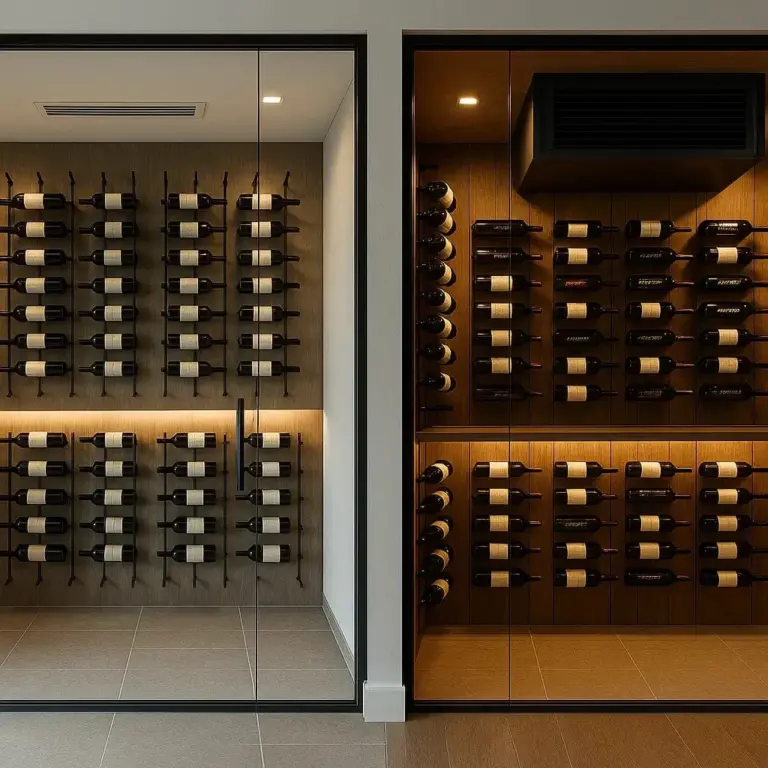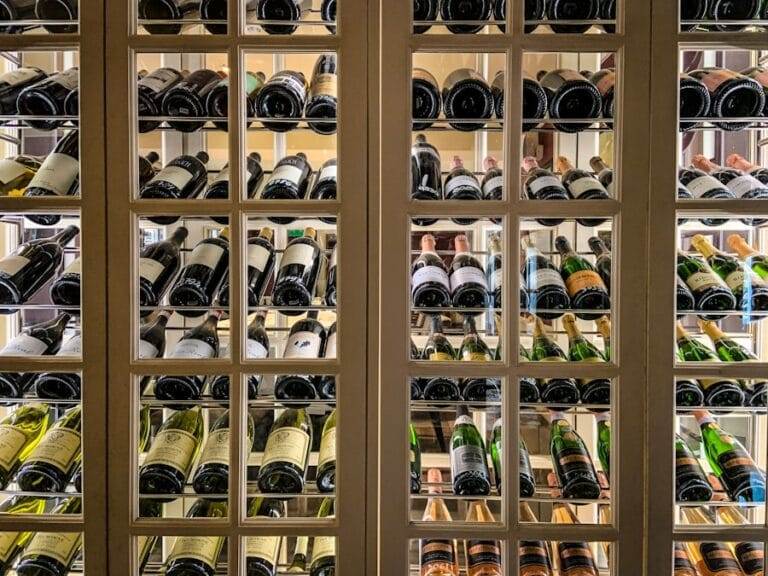

The stewardship of a significant wine collection, particularly within the discerning San Francisco Bay Area market, extends beyond acquisition and curation. It necessitates a proactive, rigorously scientific approach to preservation. This document outlines the critical importance of bi-annual technical reviews for ensuring the long-term viability and intrinsic value of your wine assets. We will explore the environmental factors, the material science involved in cellar construction, and the technological parameters that demand consistent evaluation.
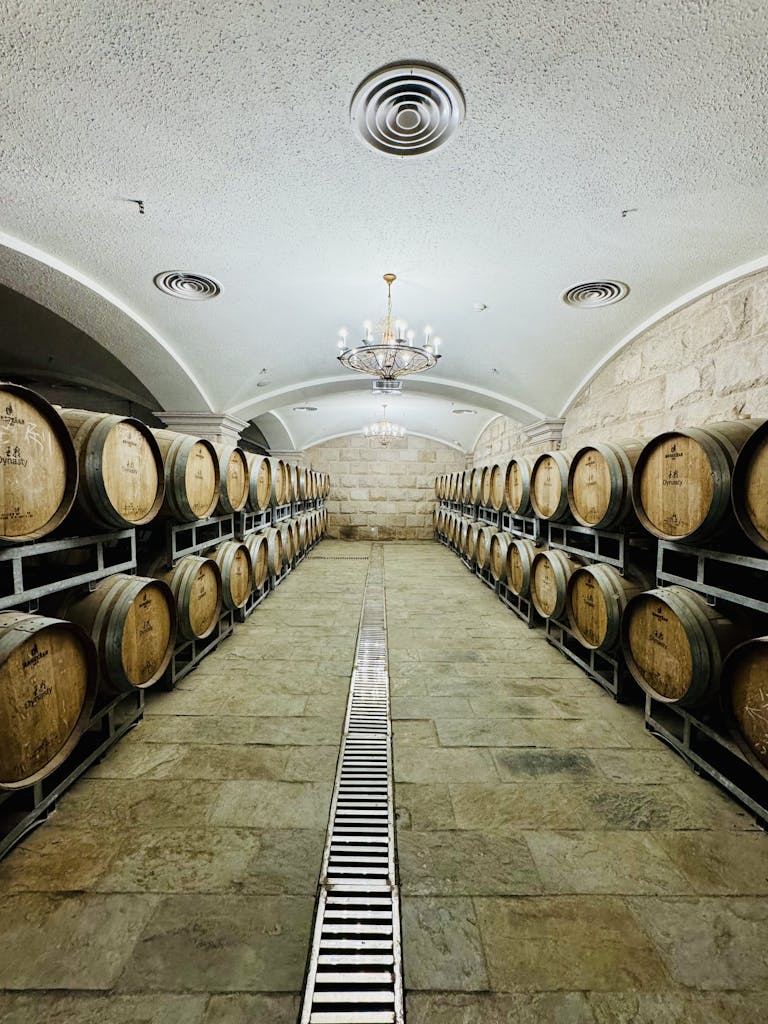
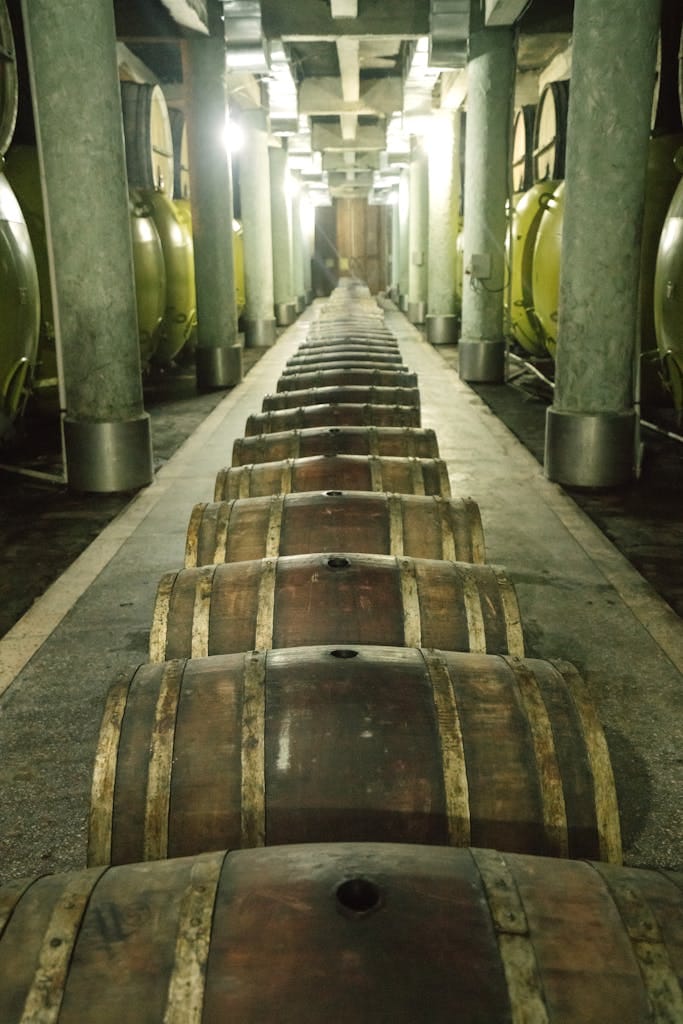
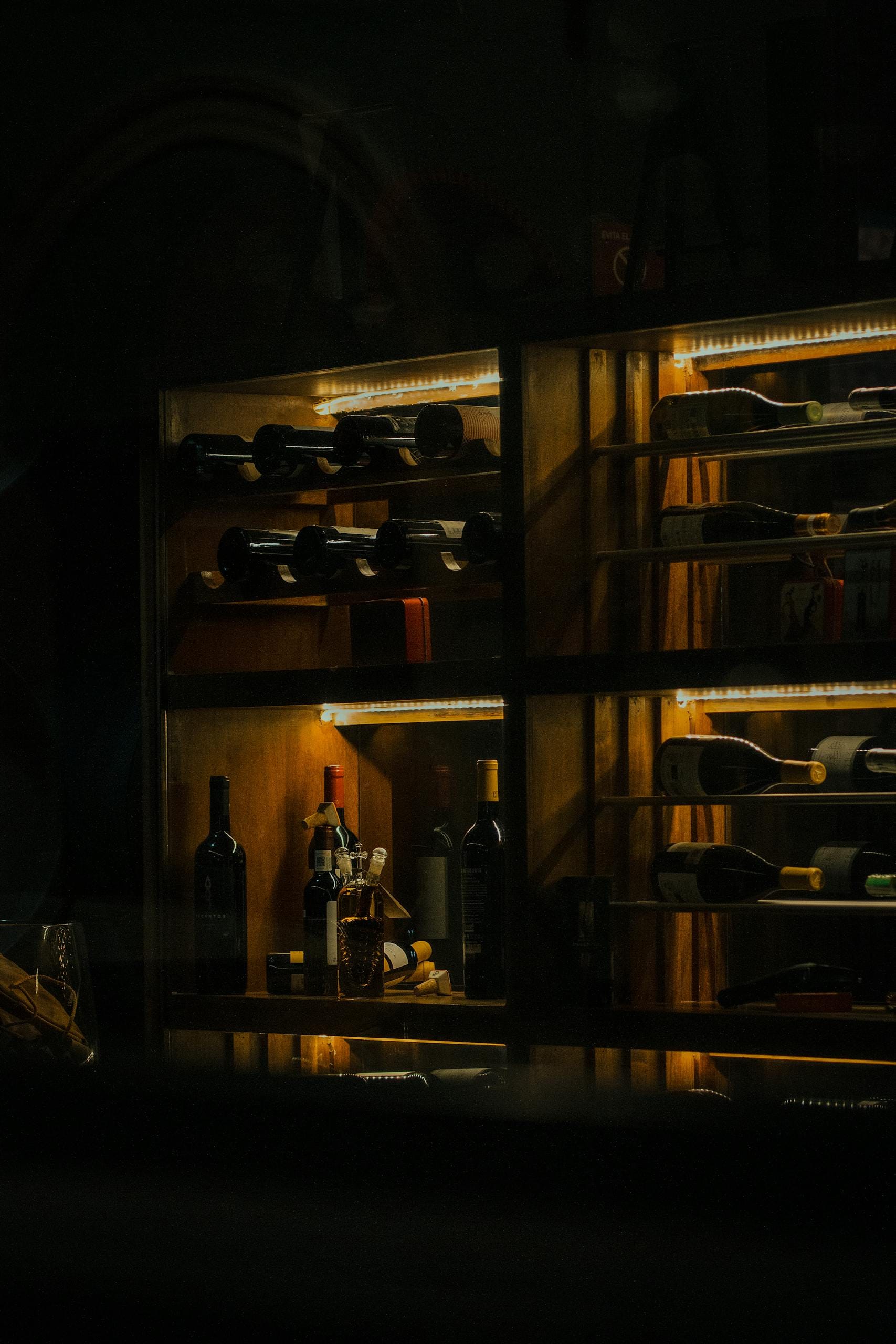
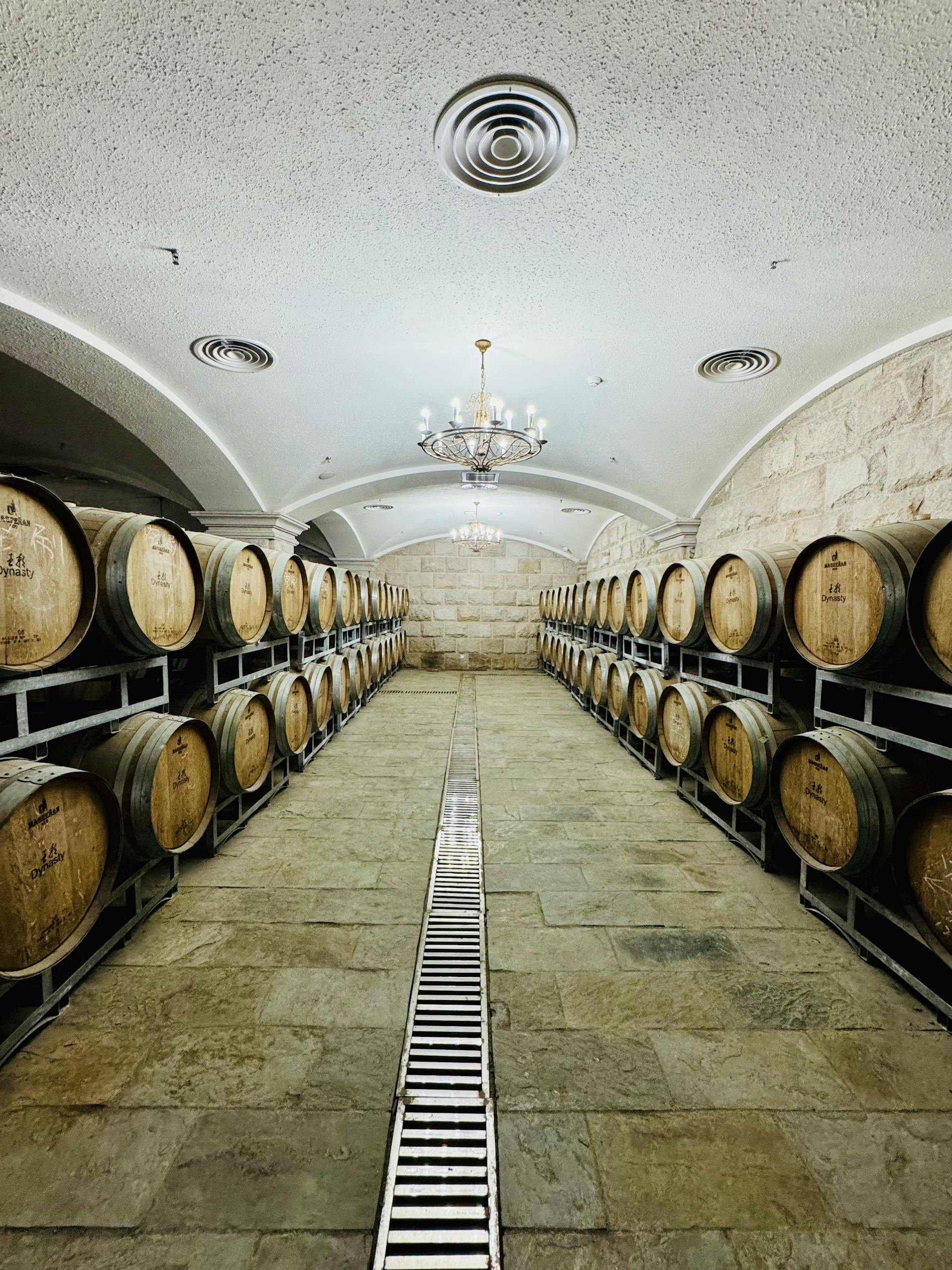
The primary objective of a wine cellar is to create and maintain an environment meticulously tailored for the ideal aging of wine. This is not an intuitive process; it is the result of precise environmental control. Fluctuations in temperature, humidity, and light are not merely nuisances; they are adversaries to the delicate chemical processes that define wine maturation.
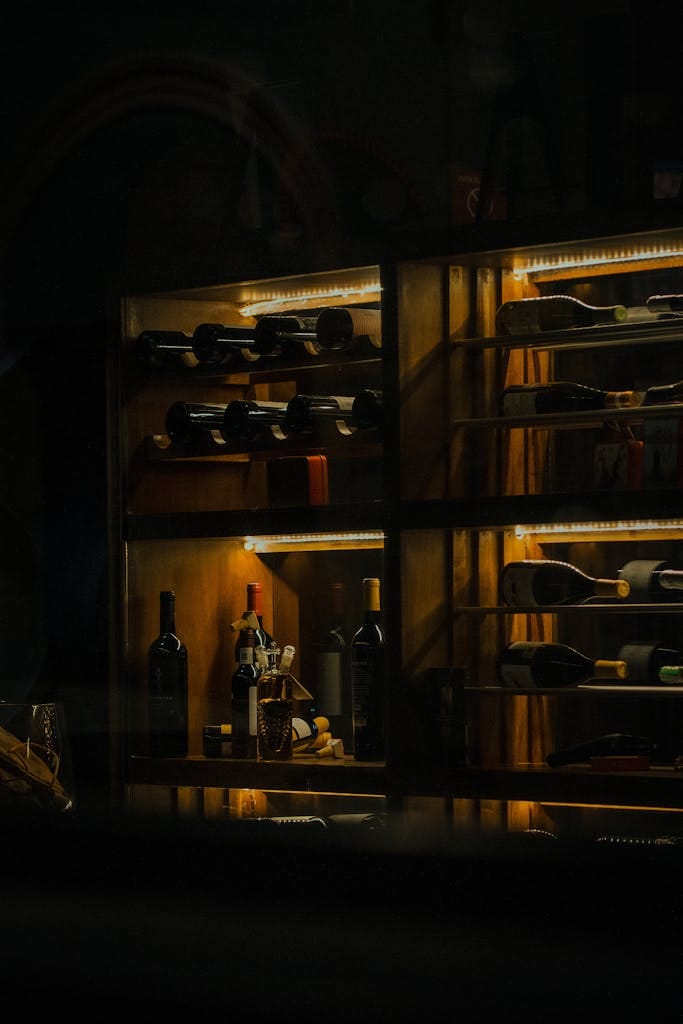
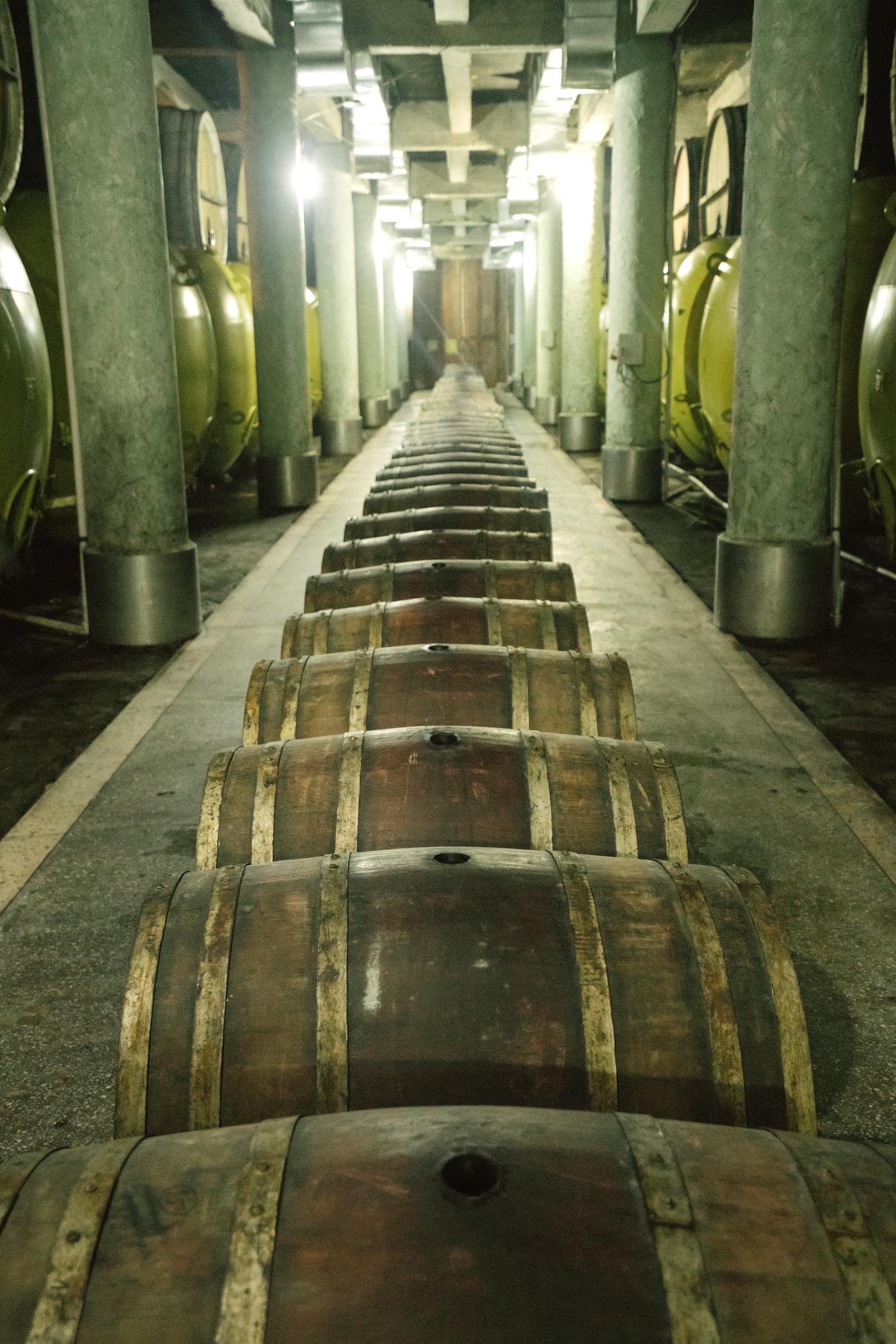
Temperature Stability: The Slow Clock of Aging
Wine ages through a series of complex chemical reactions, predominantly esters and acids. The rate at which these reactions occur is directly influenced by temperature.
Optimal Temperature Spectrum
The universally accepted optimal temperature range for long-term wine storage is between 50°F and 57°F (10°C to 14°C). Deviations, even minor ones, can have cumulative detrimental effects. Temperatures above 70°F (21°C) can accelerate aging prematurely, leading to a loss of nuanced aromas and flavors and potentially “cooking” the wine. Conversely, prolonged exposure to temperatures below 45°F (7°C) can cause tartrate crystals to precipitate, though this is primarily an aesthetic concern for most wines and does not typically harm the wine itself. The more significant issue at low temperatures is the potential for freeze-thaw cycles, which can compromise the cork’s seal, leading to oxidation.
The Impact of Diurnal and Seasonal Variation
While a stable temperature is paramount, the rate of change is equally critical. Gradual shifts within the acceptable range are less damaging than rapid fluctuations. Imagine the delicate balance of a Swiss watch movement; consistent, minute adjustments are normal, but a violent jolt can disrupt its calibration entirely. Similarly, wine can tolerate slow, predictable seasonal adjustments, but abrupt daily swings in temperature can stress the wine and its closure, promoting ullage and further oxidation. Bi-annual reviews assess the operational consistency of refrigeration systems and their fail-safe mechanisms to mitigate these potentially damaging variations.
Humidity Control: The Breathable Seal
Humidity, often inadequately addressed, plays a pivotal role in preserving the integrity of the wine and its enclosure.
The Role of Hygroscopicity
> Hygroscopicity: The ability of a substance to attract and hold water molecules from the surrounding environment.
In the context of a wine cellar, hygroscopicity primarily refers to the cork’s ability to absorb and retain moisture.
Maintaining Optimal Relative Humidity
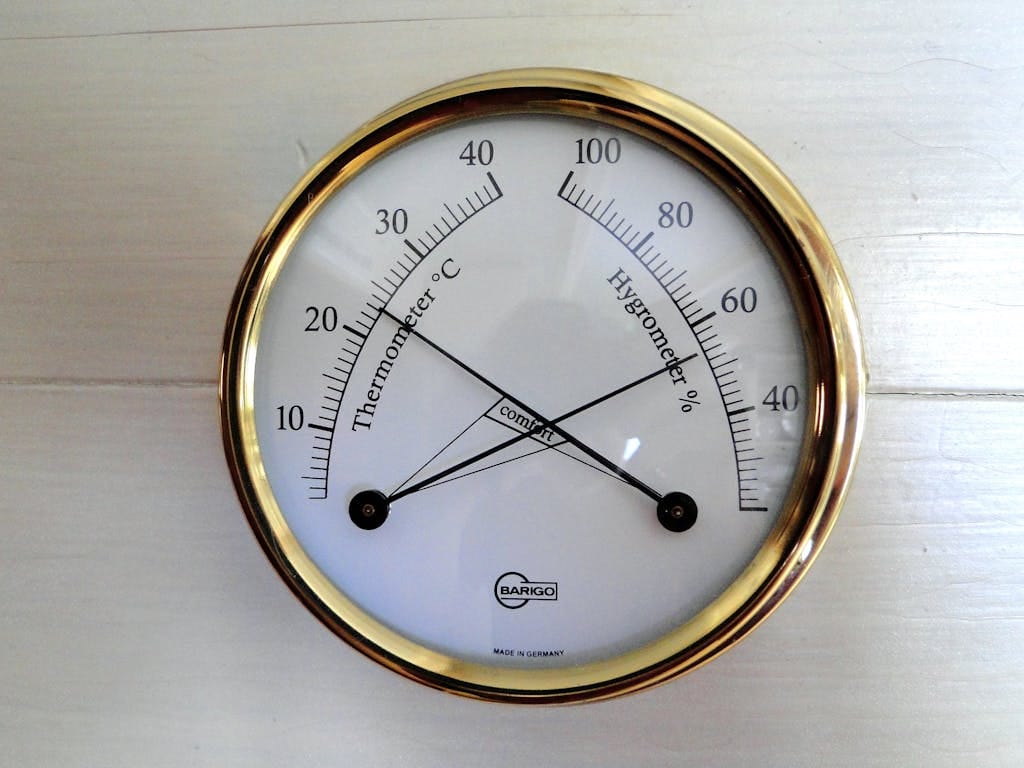
The ideal relative humidity range for wine storage is between 50% and 70%.
- Low Humidity (<50% RH): This is a significant concern. When humidity is too low, corks can dry out and shrink, compromising their seal. This ingress of dry air can lead to premature oxidation, a distinct and irreversible degradation of the wine’s character. Furthermore, low humidity can cause labels to peel and become brittle, diminishing the collectibility and aesthetic value of the bottles.
- High Humidity (>70% RH): While less immediately damaging to the wine itself, prolonged exposure to excessively high humidity creates an environment conducive to mold and mildew growth. This can manifest on the exterior of the bottles, labels, and cellar infrastructure, presenting aesthetic and potentially allergenic issues. More critically, mold can penetrate porous materials and, in extreme cases, even affect the cork over extended periods.
Bi-annual reviews include rigorous calibration of hygrometers and an assessment of the cellar’s passive and active humidity regulation systems to ensure they are functioning within the specified parameters.
Light Abatement: The Unseen Culprit
Light, particularly ultraviolet (UV) radiation, is a potent catalyst for unwanted chemical reactions in wine.
The Photochemical Degradation Process
UV light has sufficient energy to break chemical bonds within wine molecules, initiating a cascade of reactions that can produce unpleasant aromas and flavors, often described as “light struck” or having notes of wet cardboard. Red wines are generally more susceptible than white wines due to the presence of anthocyanins, which act as UV absorbers but can also be photo-oxidized.
Material Selection for Light Protection
Effective wine cellar design incorporates materials and finishes that minimize light penetration and absorption. Opaque doors, specialized low-UV lighting, and strategic placement of the cellar away from direct sunlight are fundamental.
Bi-annual technical reviews will inspect all seals around access points and evaluate the functioning of lighting systems, ensuring no residual light leaks compromise the collection.
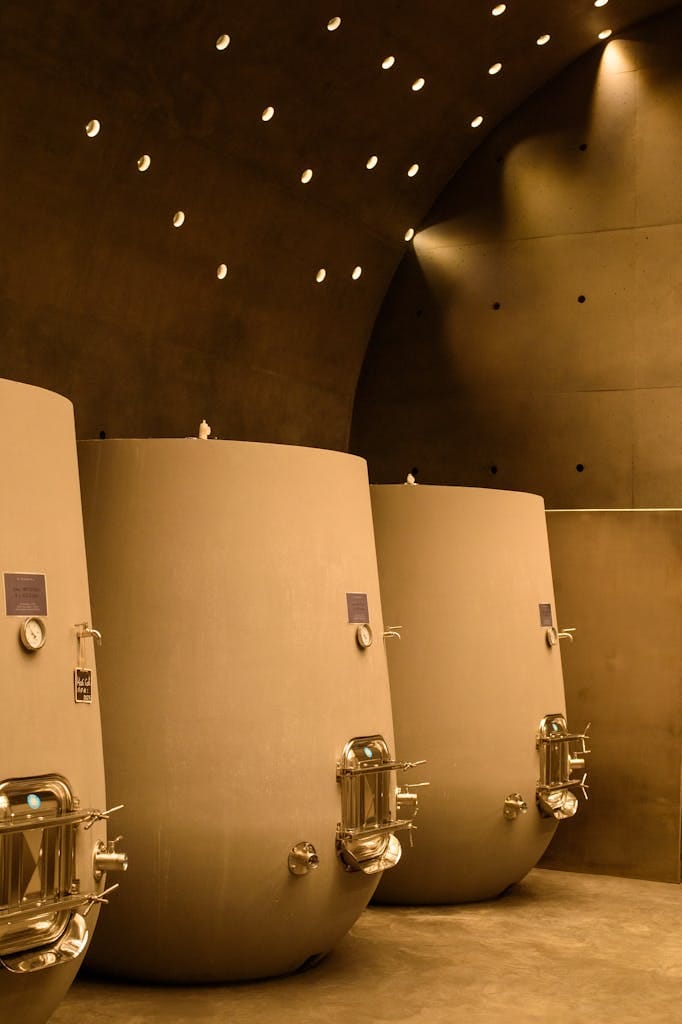
Material Science and Construction Integrity: The Cellar’s Envelope
The physical structure of the wine cellar is the primary barrier protecting the collection from external environmental insults. The selection and integrity of these materials are as critical as the active climate control systems.
Insulation and Air Sealing: The R-Value of Preservation
R-Value: A measure of thermal resistance. The higher the R-value, the greater the material’s ability to resist heat flow. In construction, it is a key indicator of insulation effectiveness.
A well-insulated and properly air-sealed cellar is fundamental to maintaining stable internal temperatures and humidity levels with minimal energy expenditure.
The Genesis of Energy Inefficiency
Poor insulation and air leaks act as conduits for external temperature and humidity fluctuations. Imagine a perfectly calibrated refrigeration unit working tirelessly against a sieve; the constant battle to maintain the target environment leads to increased energy consumption and, more significantly, to the inevitable infiltration of uncontrolled ambient conditions.
Bi-Annual Inspection of the Building Envelope
Our technical reviews scrutinize the building envelope for any signs of compromising air leaks. This includes inspecting seals around windows, doors, electrical penetrations, and structural joints. The thermal imaging aspect of these reviews can non-invasively identify areas of inadequate insulation or air infiltration, allowing for targeted remediation before significant energy loss or environmental degradation occurs. We assess the integrity of vapor barriers and ensure they are intact and correctly installed, preventing interstitial condensation within wall cavities, which can lead to structural damage and mold growth.
Vapor Barriers: The Unseen Sentinel
The proper installation and maintenance of vapor barriers are crucial for preventing moisture migration into the cellar’s structure, particularly in regions with significant diurnal or seasonal temperature differentials, common in the Bay Area.
The Mechanics of Moisture Intrusion
A vapor barrier is designed to prevent the passage
FAQs
What is a bi-annual technical review?
A bi-annual technical review is a comprehensive evaluation conducted twice a year to assess the condition, functionality, and relevance of a collection’s technical components. This process helps identify any issues, updates, or improvements needed to maintain optimal performance and value.
Why is a bi-annual technical review important for major collections?
It ensures that all items in the collection remain in good working order, helps prevent deterioration or obsolescence, and allows for timely updates or repairs. Regular reviews also support accurate documentation and can enhance the collection’s overall management and preservation.
What types of collections benefit from bi-annual technical reviews?
Collections that include technical equipment, digital assets, scientific instruments, or any items requiring maintenance and updates benefit the most. This includes museums, research institutions, libraries, and corporate archives with significant technical holdings.
Who should conduct a bi-annual technical review?
Qualified professionals with expertise in the specific type of collection should perform the review. This may include conservators, technicians, curators, or external specialists who understand the technical requirements and preservation needs of the collection.
What are the key components evaluated during a bi-annual technical review?
The review typically assesses the physical condition, functionality, software or firmware updates, environmental factors affecting the collection, and compliance with current standards. It may also include recommendations for repairs, upgrades, or changes in storage and handling procedures.