
The preservation of liquid assets, specifically fine wine, within a controlled environment necessitates an uncompromising approach to thermal and atmospheric regulation. In the context of custom residential architecture, particularly where transparent enclosures are specified, the prevention of dew point breaches is not merely an aesthetic consideration, but a fundamental dictate of asset protection. This brief will delineate the technical imperatives for mitigating condensation within glass-fronted wine cellars in the unique microclimates of San Francisco.
Condensation is the physical process by which water vapor in the air changes into liquid water droplets. This phase transition occurs when the temperature of a surface falls below the dew point temperature of the surrounding air. For the discerning collector, this phenomenon, if unchecked within a wine cellar’s glass enclosure, poses a significant threat to the organoleptic integrity and market value of their holdings.
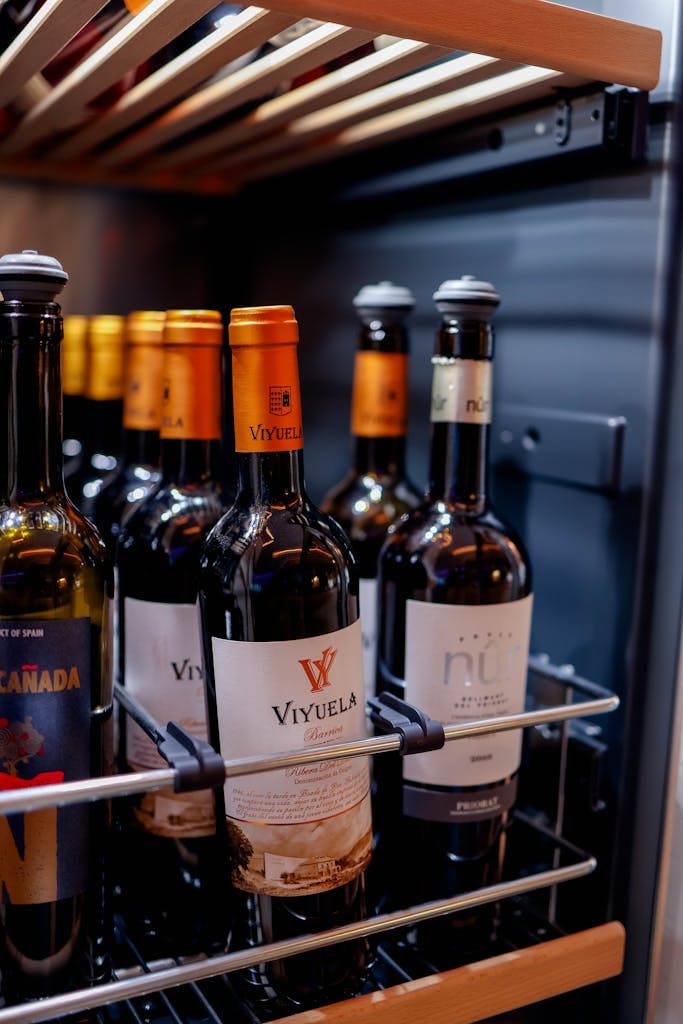

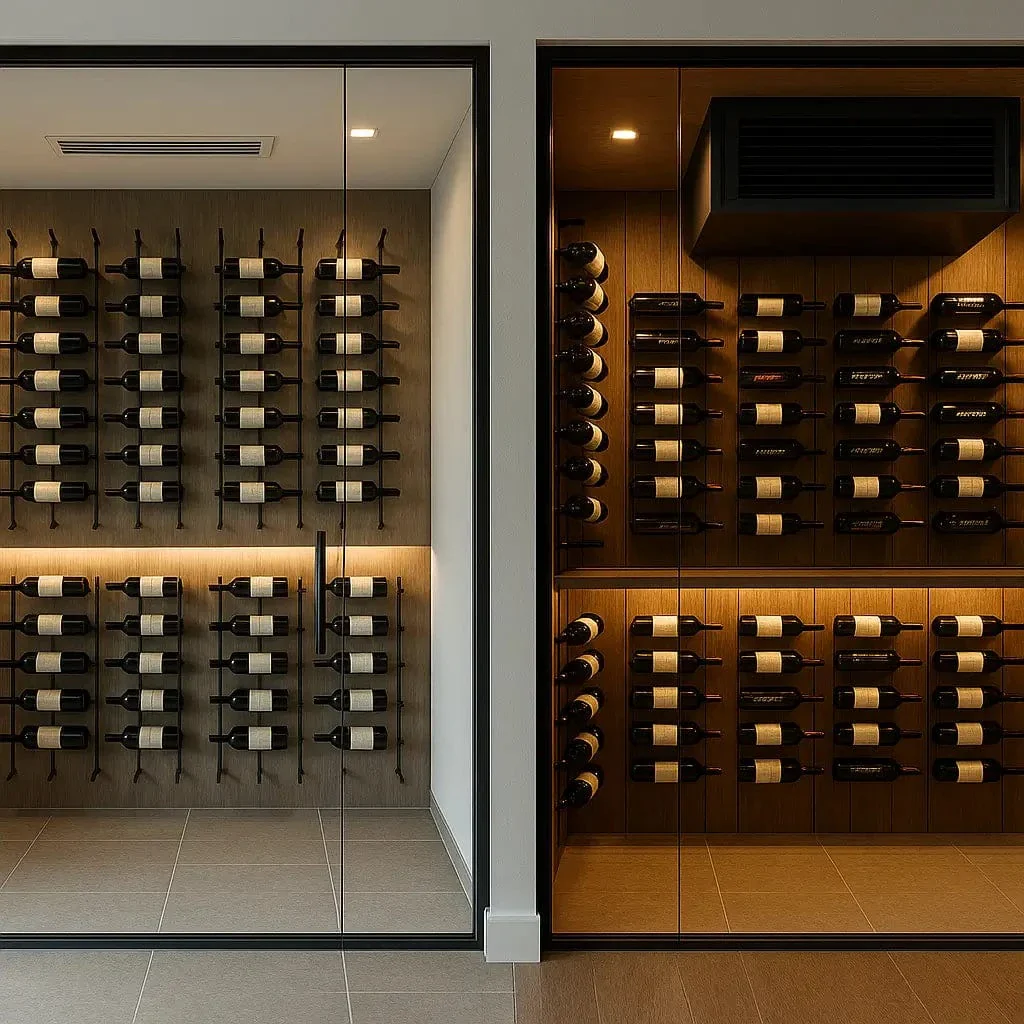
The Dew Point as a Critical Threshold
The dew point is an absolute measure of humidity. It represents the temperature to which air must be cooled, at constant pressure, for water vapor to condense into liquid water. In a wine cellar, the air within the enclosure is intentionally cooled, often to temperatures between 10-16°C (50-60°F), and maintained at a relative humidity typically between 50-70%. The ambient air outside the enclosure, particularly in San Francisco, can fluctuate significantly in both temperature and relative humidity. When the exterior surface of the glass enclosure meets or falls below the dew point of the exterior air, condensation forms. Conversely, if the interior surface of the glass meets or falls below the dew point of the interior air, condensation can form inside the cellar, which is a catastrophic failure of environmental control.
Thermal Bridging and its Implications
Thermal bridging occurs when a thermally conductive material penetrates an insulating layer, creating a path for heat to escape or enter a controlled environment. In glass enclosures, the framing elements and even the edge seals of insulated glazing units (IGUs) can act as thermal bridges. These pathways allow heat transfer, causing localized temperature differentials on the glass surface. These cooler spots are prime candidates for reaching the dew point, initiating condensation. The consequence is not merely visual impairment; sustained condensation can lead to mold proliferation, label degradation, and ultimately, compromise the structural integrity of the wine packaging.
Material Science as a Guardian Against Thermodynamics
The selection of appropriate materials is paramount in constructing a hermetically sealed and thermally stable wine cellar. Generic architectural glass, while aesthetically pleasing, is fundamentally inadequate for the rigorous demands of a climate-controlled environment intended for long-term asset preservation.
High-Performance Glazing Specifications
For the exterior and interior faces of a wine cellar’s glass enclosure, a multi-pane, low-emissivity (low-E) insulated glazing unit (IGU) is not merely recommended, but professionally mandated.
The Role of Low-E Coatings
Low-E coatings are microscopically thin, virtually invisible metallic layers applied to a glass surface. These coatings inhibit radiant heat flow, reflecting infrared radiation while still allowing visible light to pass through. In a wine cellar, low-E coatings on the glass surfaces facing both the interior and exterior environments are critical. On the exterior-facing pane, the coating reflects solar heat gain, reducing the thermal load on the cooling system. On the interior-facing pane, it reflects radiant heat from the warmer ambient room back into the room, preventing the interior glass surface from getting too cold and thus avoiding internal condensation within the IGU.
Inert Gas Fills for Enhanced Insulation
The space between the glass panes in an IGU is typically filled with an inert gas, such as argon or krypton. These gases are denser than air and have lower thermal conductivity, further enhancing the insulating properties of the unit. Argon offers a significant improvement over air, while krypton, although more expensive, provides superior thermal performance due to its even lower thermal conductivity, particularly in narrower airspace configurations. The efficacy of the gas fill is directly proportional to its purity and sustained presence over the life of the IGU.
Warm Edge Spacers
Traditional aluminum spacers in IGUs are highly thermally conductive, creating a thermal bridge at the perimeter of the glass unit. This significantly increases the risk of condensation along the edges. Warm edge spacers, constructed from less conductive materials such as structural silicone foam or composite thermoplastics, mitigate this thermal bridging, ensuring a more uniform surface temperature across the entire glass pane and reducing condensation risk.
Precision HVAC Integration for Atmospheric Stewardship

The success of a wine cellar project hinges upon the meticulous integration of a dedicated, purpose-built HVAC system. Generic residential cooling units are fundamentally ill-suited for the precise and consistent environmental control required for liquid asset preservation.
Dedicated Wine Cellar Cooling Units
These specialized units are designed to maintain specific temperature and humidity set points within narrow tolerances. They are engineered for continuous, long-duration operation, unlike residential air conditioning systems which cycle on and off based on broader temperature ranges. Key features include:
Dehumidification and Humidification Capabilities
While preventing condensation often focuses on removing moisture, maintaining optimal relative humidity (50-70%) within the cellar is equally crucial for cork integrity. Integrated humidifiers and dehumidifiers within the cooling unit, or as separate standalone systems, are essential. The system must intelligently manage both, ensuring that the interior atmosphere remains within the organoleptically stable range without introducing excess moisture that could lead to fungal growth or, conversely, excessive dryness that could compromise cork elasticity and permit oxygen ingress.
Intelligent Control Systems
Modern wine cellar cooling units incorporate sophisticated digital controllers that monitor temperature and humidity with high precision. These systems often include remote monitoring capabilities, allowing for real-time tracking of environmental conditions and alarm notifications in the event of deviations from set points. This proactive monitoring is a non-negotiable safeguard for high-value collections.
Vapor Barriers and Air Sealing Protocols
The integrity of the building envelope is as critical as the glass enclosure itself. Any uncontrolled air ingress or egress will compromise the carefully calibrated internal environment and introduce uncontrolled moisture, thus elevating the dew point risk.
Continuous Vapor Barrier Installation
A continuous vapor barrier, typically a polyethylene sheeting of at least 6-mil thickness, must be meticulously installed on the exterior (warm side) of the insulation within walls, ceilings, and floors surrounding the wine cellar. This barrier prevents moisture-laden ambient air from migrating into the cooler cellar cavity and condensing within the wall structure. Any penetrations for electrical, plumbing, or structural elements must be sealed with acoustical sealant or expanding foam to maintain the integrity of this critical membrane.
Air Sealing of Cellar Perimeter
Beyond the vapor barrier, the entire perimeter of the cellar enclosure must be meticulously air-sealed. This includes the jambs and headers of glass doors, wall-to-ceiling junctions, and floor-to-wall junctions. Using high-quality, long-lasting weatherstripping on all access points and applying sealant to all construction joints significantly reduces uncontrolled air infiltration, preventing warm, humid air from entering the cellar and causing condensation or increasing the cooling load.
Structural Integration and Architectural Detailing
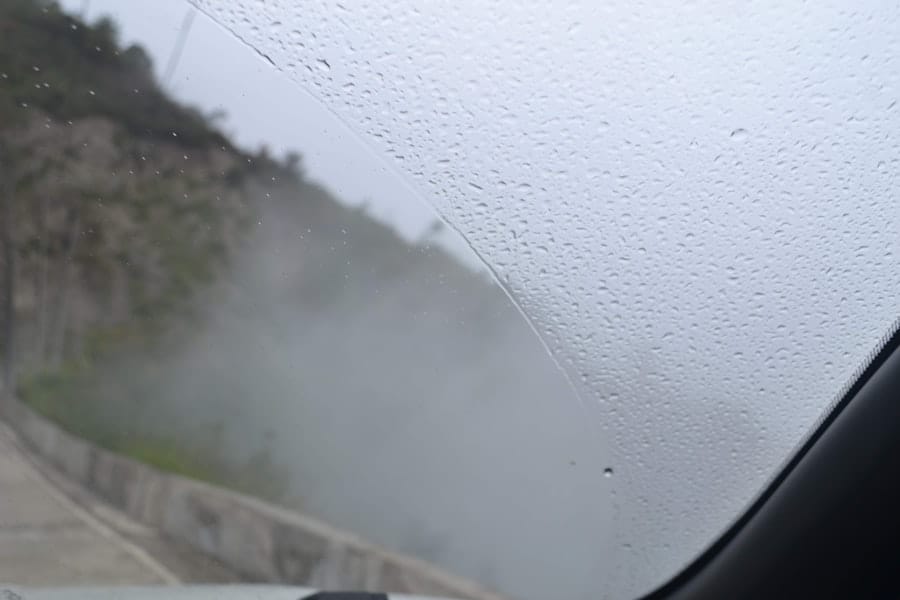
The architectural detailing surrounding the glass enclosure cannot be an afterthought; it is an integral component of dew point prevention. Form must follow function in this context, with aesthetic considerations always subordinate to technical imperatives.
Thermal Breaks in Framing Systems
Where metal framing elements are employed for glass enclosures, they must incorporate robust thermal breaks. A thermal break is a material of low thermal conductivity inserted into a highly conductive element to reduce heat transfer. Without effective thermal breaks, metal frames will act as significant thermal bridges, causing localized surface temperatures on the frame to drop below the dew point, leading to unsightly and potentially damaging condensation. These breaks must be continuous and robust, preventing direct metal-to-metal conduction from the interior to the exterior.
Strategic Ventilation and Air Circulation
While seemingly counterintuitive, strategic ventilation in the surrounding ambient space can indirectly aid in preventing external glass condensation. By providing adequate air circulation around the exterior of the glass enclosure, localized pockets of stagnant, humid air can be dispersed, reducing the likelihood of the exterior air’s dew point being reached on the glass surface. This is particularly relevant in confined spaces or areas with limited airflow. Additionally, within the cellar, maintaining consistent air circulation via the dedicated cooling unit helps prevent microclimates and ensures uniform temperature and humidity distribution, which is critical for consistent preservation across the entire collection.
Door and Opening Specifications
Cellar doors, often also glass, must meet the same rigorous thermal performance standards as the fixed glass panels. They must implement high-performance IGUs, warm edge spacers, and robust thermal breaks in their frames. Crucially, they require a multi-point locking system to ensure a tight, continuous seal around the entire perimeter when closed. Standard single-latch home doors are utterly inadequate for maintaining hermetic integrity. The efficacy of the seals, such as magnetic gaskets or compressible weatherstripping, directly impacts the long-term stability of the cellar environment.
The careful orchestration of these technical elements, from the molecular structure of the glass coatings to the macro-level design of the cellar’s integration into the architectural envelope, defines the difference between a decorative display and a truly secure vault for liquid assets. Preventing dew point breaches is not an optional upgrade; it is a fundamental pillar of responsible collection stewardship.
FAQs
What causes condensation in SF glass enclosures?
Condensation in SF glass enclosures occurs when moist air inside the enclosure comes into contact with cooler glass surfaces, causing the water vapor to condense into liquid droplets. This typically happens when the temperature of the glass falls below the dew point of the air inside.
Why is preventing dew point breaches important in glass enclosures?
Preventing dew point breaches is crucial because condensation can lead to reduced visibility, damage to electronic components, corrosion, and mold growth inside the enclosure. Maintaining a dry environment helps ensure the longevity and proper functioning of the equipment housed within.
What methods are commonly used to prevent condensation in glass enclosures?
Common methods include controlling the internal temperature and humidity levels, using desiccants or moisture-absorbing materials, applying anti-condensation coatings on glass surfaces, and ensuring proper ventilation or sealing to minimize moisture ingress.
How can the dew point be monitored inside an SF glass enclosure?
Dew point can be monitored using hygrometers or dew point sensors installed inside the enclosure. These devices measure temperature and relative humidity, allowing for real-time assessment of conditions that could lead to condensation.
Can insulation help in preventing condensation in glass enclosures?
Yes, insulation can help by reducing temperature fluctuations on the glass surface, keeping it warmer and less likely to reach the dew point. Proper insulation combined with humidity control is an effective strategy to prevent condensation.