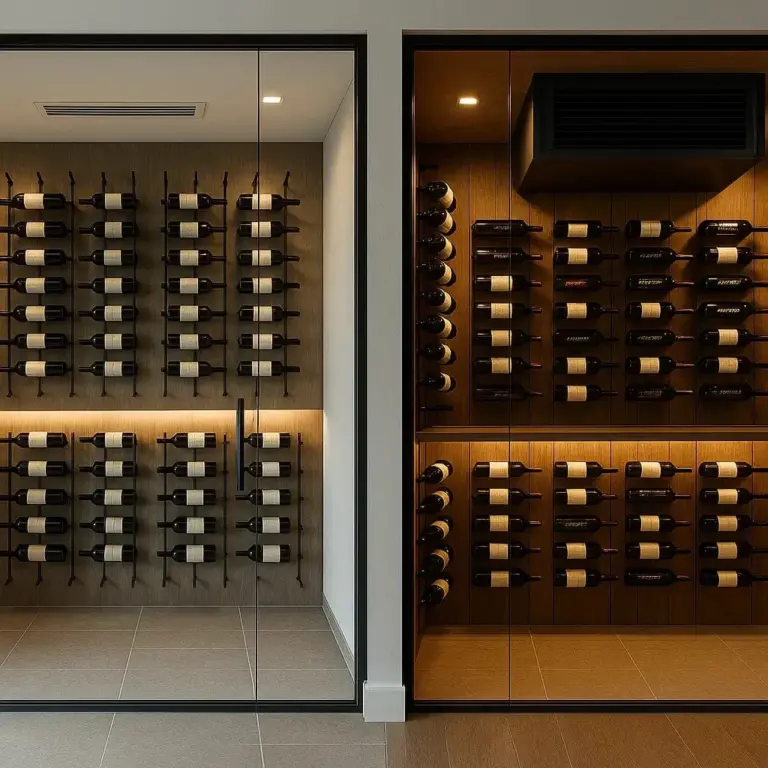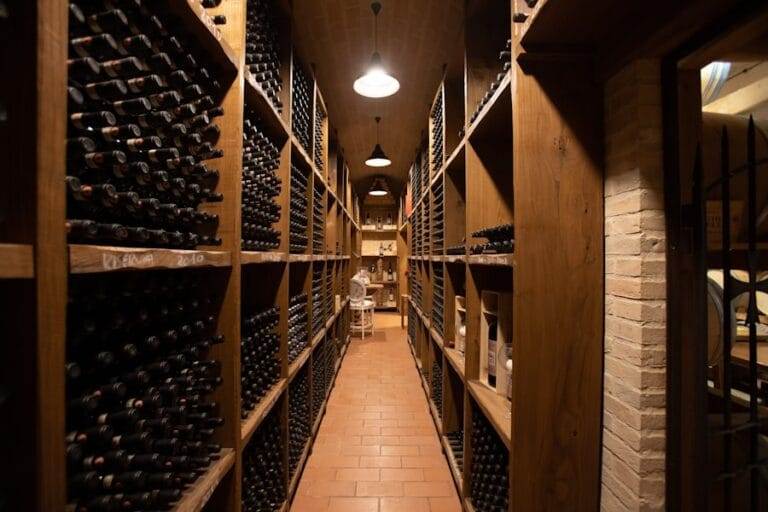

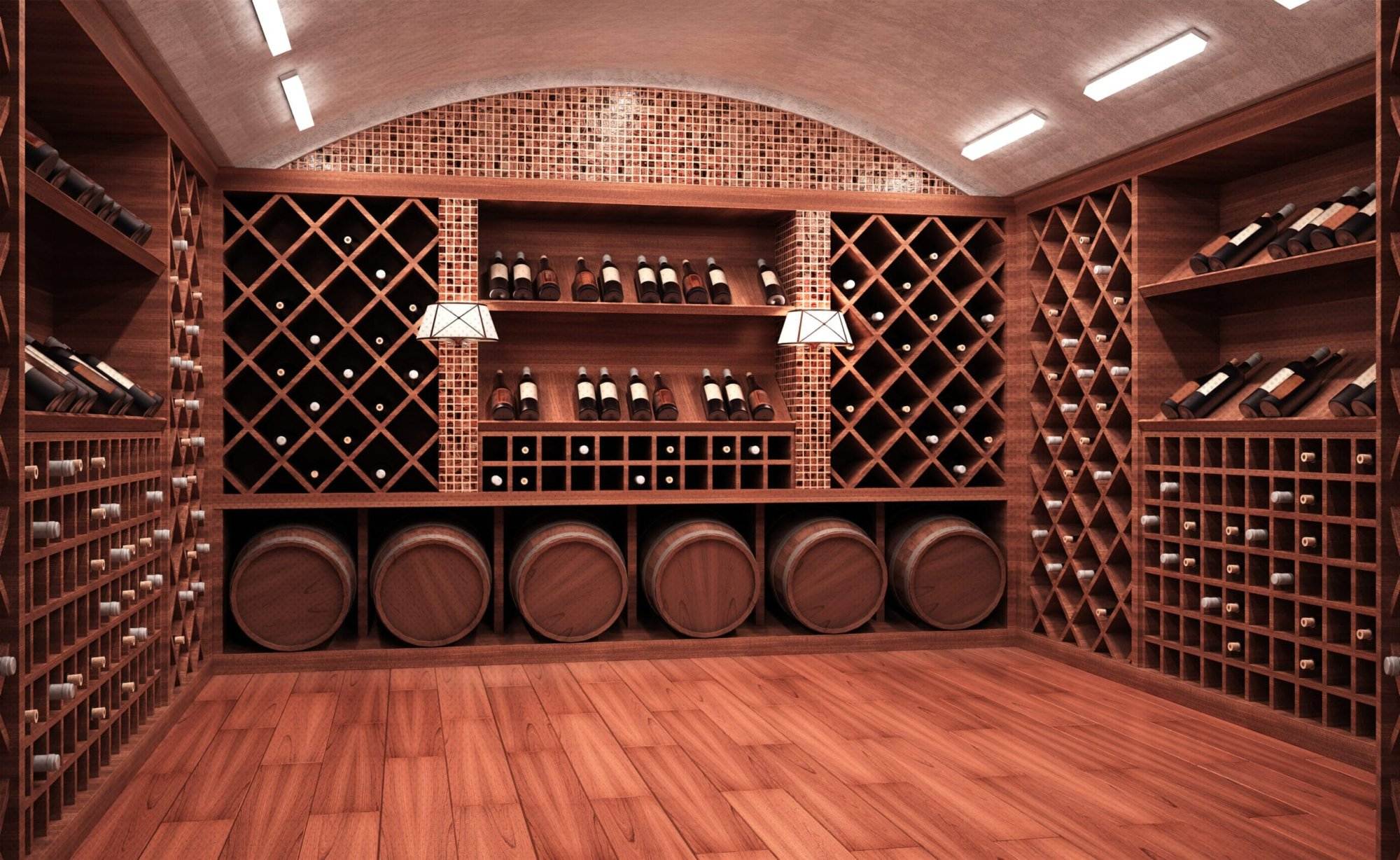
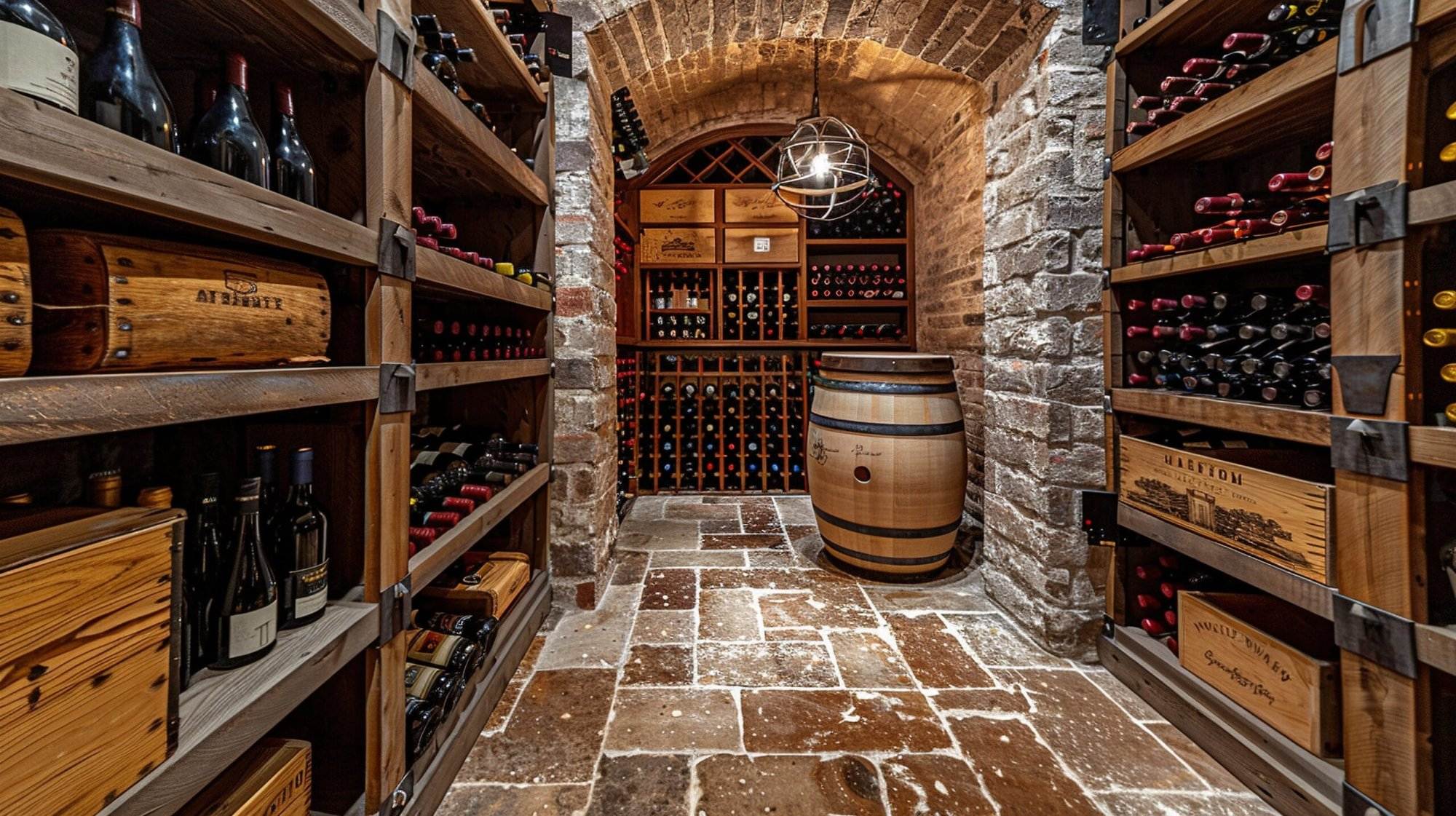
The integrity of subterranean wine cellars in the Bay Area, particularly within the diverse geologies and microclimates spanning from the Presidio to the undulating hills of Silicon Valley, is inherently dependent on understanding and mitigating hydrostatic pressure. This phenomenon, which represents the force exerted by a quiescent fluid at a given depth, poses a significant, yet often underestimated, challenge to the long-term preservation of valuable vinicultural collections. Ignoring its implications can compromise not only the structural longevity of the cellar but critically, the microclimatic stability essential for enological maturation.
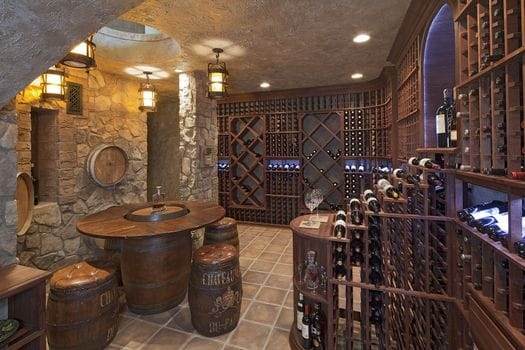
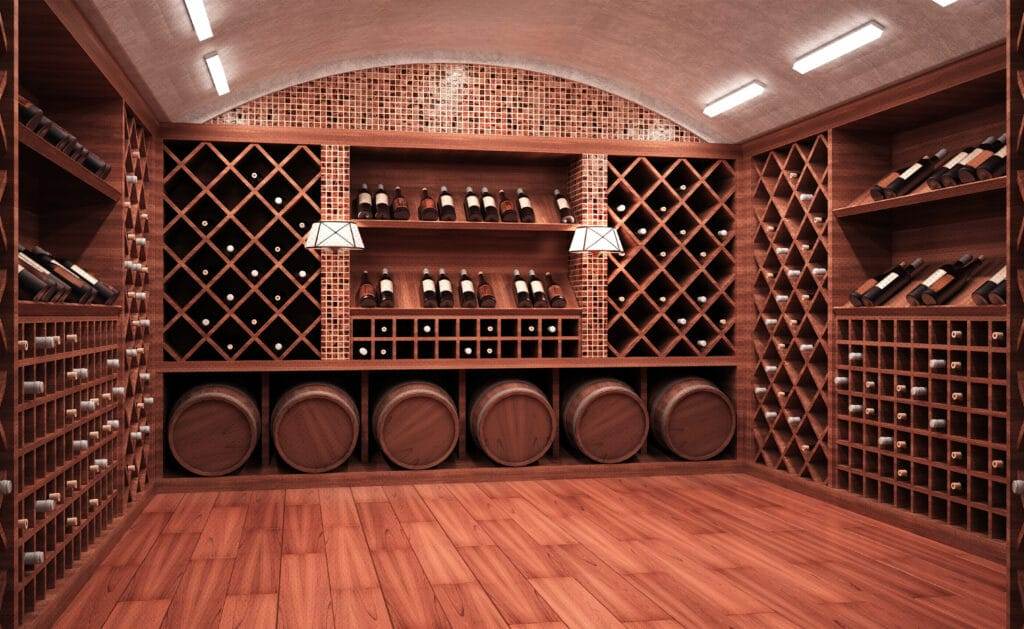
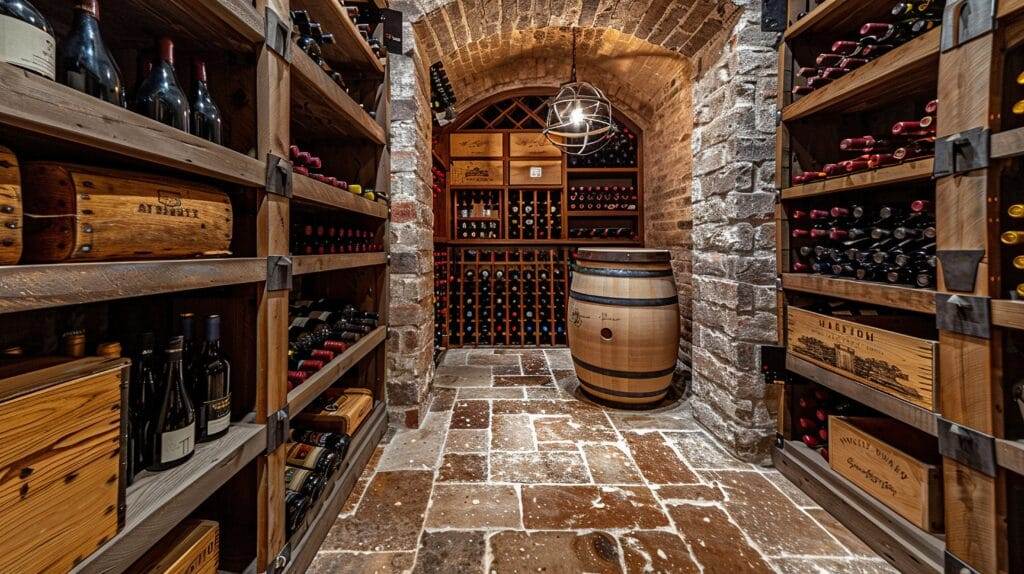
Understanding Hydrostatic Pressure in the Bay Area Context
The Bay Area’s geological composition, characterized by ancient marine sediments, alluvial plains, and the fractured serpentinite of the coastal ranges, presents a complex hydrological environment. Seasonal precipitation, fluctuating groundwater tables, and the pervasive presence of subsurface springs all contribute to the potential for hydrostatic pressure to manifest against subterranean structures. For custom home builders and their discerning clientele, particularly those constructing or renovating properties with below-grade wine cellars, a foundational understanding of this principle is paramount.
The Mechanics of Hydrostatic Loading
Hydrostatic pressure, mathematically expressed as $P = \rho gh$, where $\rho$ is the fluid density, $g$ is the acceleration due to gravity, and $h$ is the depth, dictates that pressure increases proportionally with depth. In a basement or subterranean wine cellar, this translates to a greater force acting upon lower sections of the foundation walls and slab. The soil surrounding these structures, when saturated, effectively transforms into a hydraulic medium, transmitting this pressure directly to the building envelope.
Geotechnical Considerations and Bay Area Soils
The Bay Area’s soil types—ranging from the high plasticity clays of the East Bay to the sandy loams of the South Bay and the historically reclaimed lands near the waterfront—exhibit varying hydraulic conductivities and swelling potentials. Expansive clays, for example, can contribute to significant lateral pressures beyond pure hydrostatic forces when saturated, further exacerbating the challenge. Comprehensive geotechnical investigations, therefore, are not merely a regulatory prerequisite but a critical diagnostic tool for identifying site-specific hydrological risks. This data informs the appropriate design of drainage systems and vapor barrier integrity, ensuring the foundation’s resilience against these latent forces.
Effective management of hydrostatic pressure begins with a meticulously engineered drainage system. This external defense mechanism acts as the primary line of protection, diverting subsurface water before it can exert significant pressure on the cellar’s structural envelope. A well-designed system not only prevents water ingress but also contributes to the overall thermal stability of the subterranean space by maintaining a drier soil mass around the foundation.
Perimeter Foundation Drains (French Drains)
The installation of a gravel-filled trench with a perforated pipe, commonly known as a French drain, around the exterior perimeter of the foundation is a standard, yet critical, component. The pipe collects water and directs it to a safe discharge point, typically a storm drain or a suitable daylight outlet. The efficacy of this system is heavily reliant on several factors:
Pipe Material and Perforation Schedule
High-density polyethylene (HDPE) or PVC pipes, selected for their durability and chemical resistance, are standard. The perforation schedule—the size and spacing of holes—must be optimized to allow for efficient water ingress into the pipe while minimizing the infiltration of fine soil particles that could lead to clogging.
Filter Fabric Encapsulation
The pipe and gravel aggregate must be enveloped in a geotextile filter fabric. This fabric prevents the migration of fine soil particles into the drainage trench, thereby maintaining the permeability of the gravel bed and the functionality of the perforated pipe over time. Degradation or improper installation of this fabric is a common failure point for otherwise sound systems.
Appropriate Grading and Discharge
The finished grade around the foundation must slope away from the structure at a minimum of 2% for at least ten feet to direct surface water runoff away from the immediate vicinity of the foundation. The collected subsurface water must be discharged to a lower elevation or, if not possible, to a sump pump system featuring a reliable float switch and a backup power source.
Beneath the Slab: Sub-Slab Drainage and Vapor Barriers
While perimeter drains manage lateral water ingress, hydrostatic pressure can also manifest as upward force on the cellar slab. A robust sub-slab drainage system, coupled with a high-performance vapor barrier, forms the critical defense against capillary rise and direct hydrostatic loading from below. These elements are not merely advisable; for a true subterranean wine cellar aiming for optimal thermal equilibrium and humidity control, they are non-negotiable.
Sub-Slab Drainage Design
A layer of coarse, clean aggregate (typically 6-12 inches thick) below the concrete slab provides a capillary break and a pathway for water to be collected. Within this aggregate layer, a network of perforated pipes connected to a sump pit or gravity outfall draws any accumulated water away.
Sump Pit and Pump Sizing
The sump pit must be strategically located, accessible for maintenance, and sized appropriately to handle peak water accumulation. The sump pump itself requires careful specification, considering the anticipated flow rates and head pressure, with an automatic float switch and an emergency battery backup system being essential for uninterrupted operation.
Ventilation for Sub-Slab
In some advanced designs, passive or active ventilation of the sub-slab aggregate layer can be incorporated. This can help to maintain a drier environment, further reducing the potential for moisture migration and contributing to better thermal performance.
High-Performance Vapor Barrier Installation
A continuous vapor barrier, specified with an industry-standard perm rating of 0.01 perms or lower, is essential above the sub-slab drainage and below the concrete floor slab. This barrier must be robust, puncture-resistant, and meticulous in its installation.
Material Specification and Thickness
Multi-layer polyethylene or cross-laminated membranes, typically 10-20 mil thick, are preferred. The inherent strength and low permeability of these materials are paramount. Compromises in material quality here can lead to long-term issues.
Seaming and Penetrations
All seams must be overlapped by a minimum of 6 inches and taped with manufacturer-approved pressure-sensitive tape. Adherence to vertical foundation walls must be continuous, extending up the wall to above the finished floor level, often integrated with the wall waterproofing system to create a continuous envelope. All penetrations for plumbing, electrical, or structural elements must be meticulously detailed and sealed to maintain the integrity of the barrier. A single breach can render the entire system ineffective.
Interior Waterproofing and Vapor Management
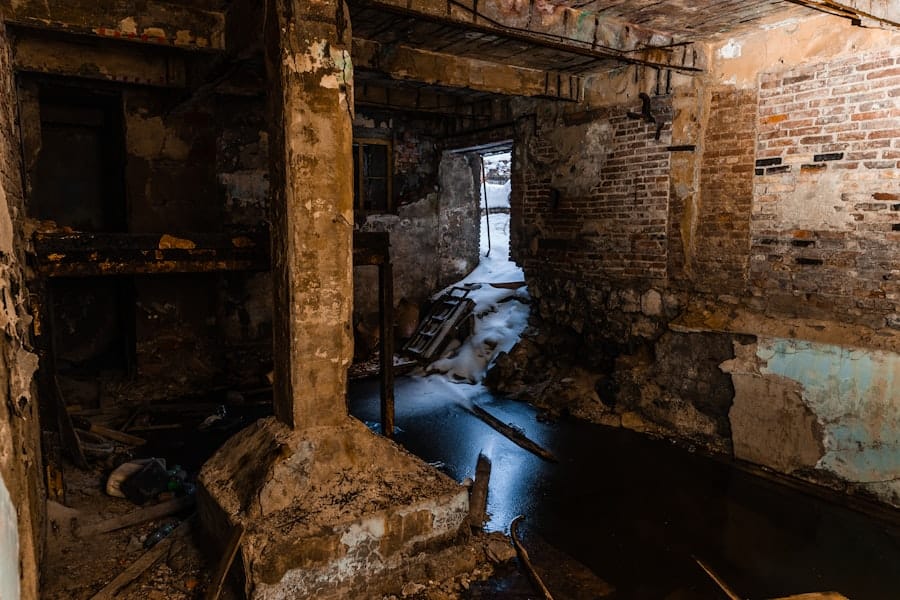
Even with robust exterior drainage and sub-slab systems, the interior face of the subterranean structure requires careful consideration for moisture and vapor management. This is particularly true for wine cellars where precise psychrometric control is paramount.
Interior Drainage Channels and Sump Pumps
In instances where exterior waterproofing may be compromised, or as an added layer of redundancy, interior perimeter drain systems can be employed. These systems collect water that infiltrates the foundation walls and direct it to an interior sump pit. While not a primary solution for hydrostatic pressure, they offer a controlled means of managing water ingress that circumvents exterior excavation.
Vapor Retarders and Air Barriers
Beyond bulk water, vapor drive can significantly impact the relative humidity within a wine cellar. A dedicated vapor retarder, distinct from the exterior waterproofing membrane, should be installed on the warm side of the insulation layer within the cellar walls and ceiling. This prevents moisture from migrating from the warmer, more humid exterior air into the cooler, well-controlled cellar environment.
Air Tightness Detailing
The effectiveness of a vapor retarder is directly proportional to the air tightness of the cellar envelope. All penetrations for conduits, pipes, and electrical outlets must be meticulously sealed with appropriate tapes, mastics, or gaskets. The goal is to create an unbroken barrier against vapor intrusion, preventing interstitial condensation that could lead to mold growth and compromise thermal performance.
Long-Term Maintenance and Monitoring
The most sophisticated waterproofing and drainage systems are only as effective as their maintenance regimen. For high-net-worth collectors, whose assets reside within these controlled environments, a proactive approach to upkeep is not merely recommended—it is a critical aspect of collection stewardship.
Regular Inspection Protocols
Scheduled inspections of exterior drainage outlets, sump pump functionality (including battery backups), and visible interior surfaces for signs of moisture or efflorescence are essential. These inspections should occur semi-annually or after significant precipitation events. The Bay Area’s seismic activity also necessitates periodic structural checks for hairline cracks that could compromise barrier integrity over time.
Sump Pump Testing and Replacement
Sump pumps have a finite operational lifespan. Periodic testing, typically quarterly, by manually activating the float switch, ensures their readiness. Consideration for replacement cycles, typically every 7-10 years for standard models, even if still operational, is a wise preventative measure, particularly for critical applications like wine cellars.
Post-Construction Remediation Considerations
Should moisture ingress be detected post-construction, diagnostics must be rigorous. Infrared thermography can detect subtle temperature differences indicative of hidden moisture. Hygrothermal modeling may be necessary to understand complex vapor transmission paths. Remedial action, whether external excavation for re-waterproofing or internal applications of crystalline waterproofing materials, will depend entirely on the precise nature and origin of the breach. In all instances, a holistic approach that considers the impact of any intervention on the cellar’s precise microclimate is imperative.
For wine cellars in the Bay Area, the prudent management of hydrostatic pressure is not merely an engineering detail but a foundational element dictating the success and longevity of the vinicultural environment. A comprehensive, multi-layered approach to waterproofing and drainage, underpinned by a deep understanding of local geohydrology and uncompromised adherence to best practices in material specification and installation, provides the requisite resilience against the omnipresent, yet often unseen, forces of subsurface water. To ignore these principles is to introduce a fundamental fragility into the very sanctuary designed to protect and perfect one’s esteemed collection.
FAQs
What is hydrostatic pressure and how does it affect basements?
Hydrostatic pressure is the force exerted by water in the soil surrounding a basement. When the ground becomes saturated with water, this pressure pushes against basement walls and floors, potentially causing leaks, cracks, and structural damage.
Why is hydrostatic pressure a common concern for basements in the Bay Area?
The Bay Area experiences seasonal rainfall and has varied soil types that can retain moisture. These conditions increase the likelihood of water accumulation around foundations, leading to elevated hydrostatic pressure on basements.
What are common methods used to waterproof basements against hydrostatic pressure?
Common waterproofing methods include installing exterior drainage systems like French drains, applying waterproof coatings or membranes to basement walls, sealing cracks, and using sump pumps to remove water that accumulates near the foundation.
How can homeowners identify signs of hydrostatic pressure damage in their basements?
Signs include water seepage through walls or floors, damp or musty odors, visible cracks in foundation walls, efflorescence (white mineral deposits), and mold growth. These indicators suggest that hydrostatic pressure may be causing water intrusion.
Is a professional assessment necessary for waterproofing basements in areas with hydrostatic pressure?
Yes, professional assessment is recommended to accurately diagnose the extent of hydrostatic pressure issues and to design an effective waterproofing solution tailored to the specific conditions of the property and local soil and water table characteristics.