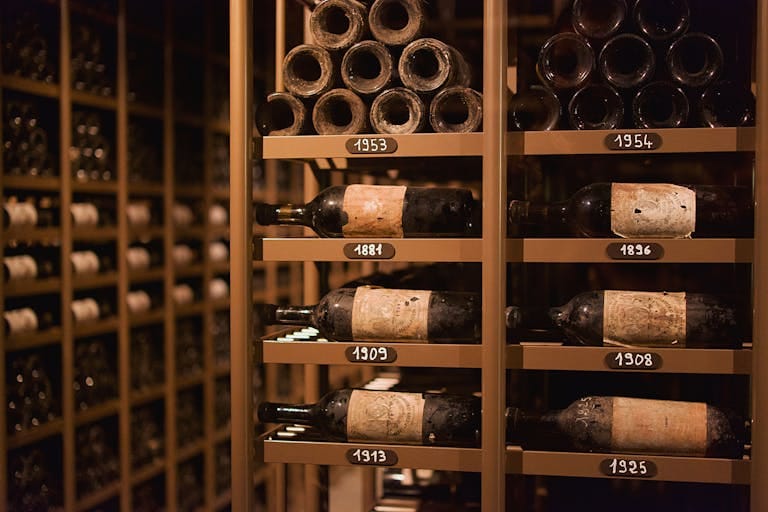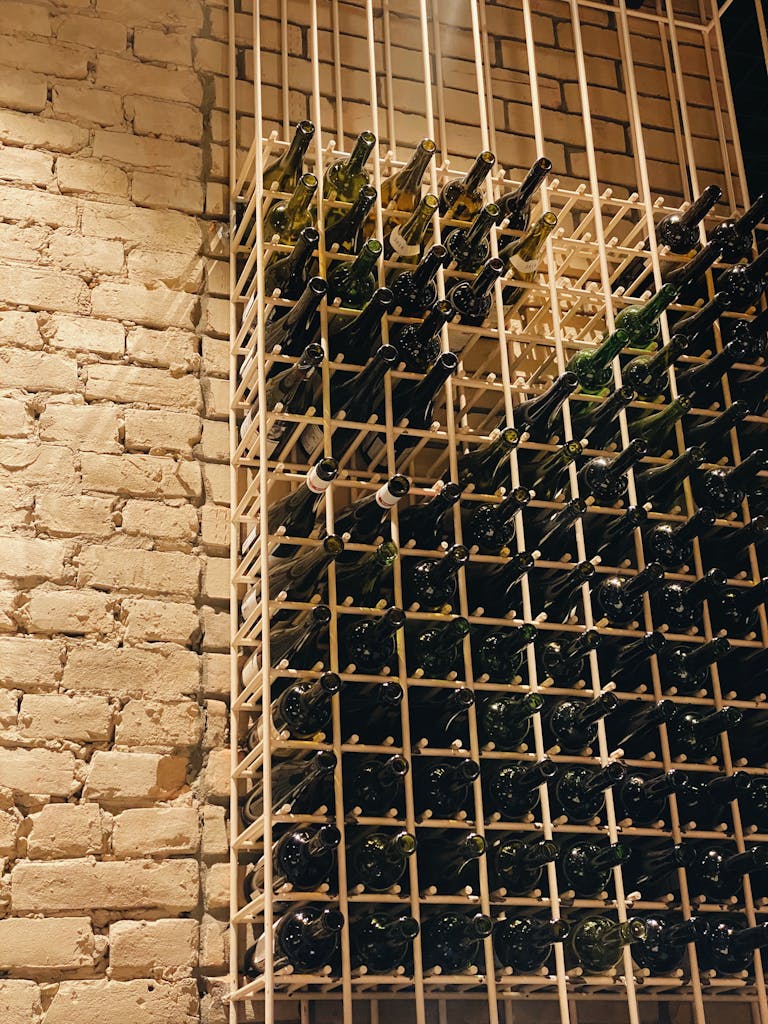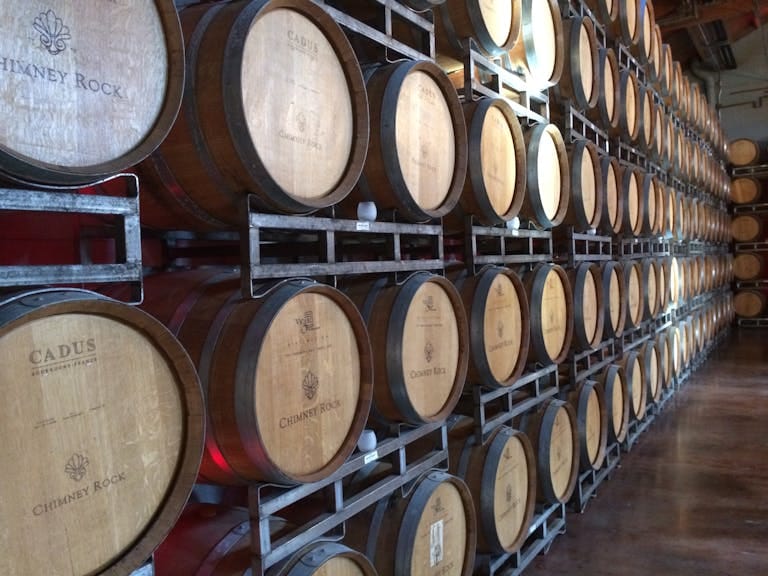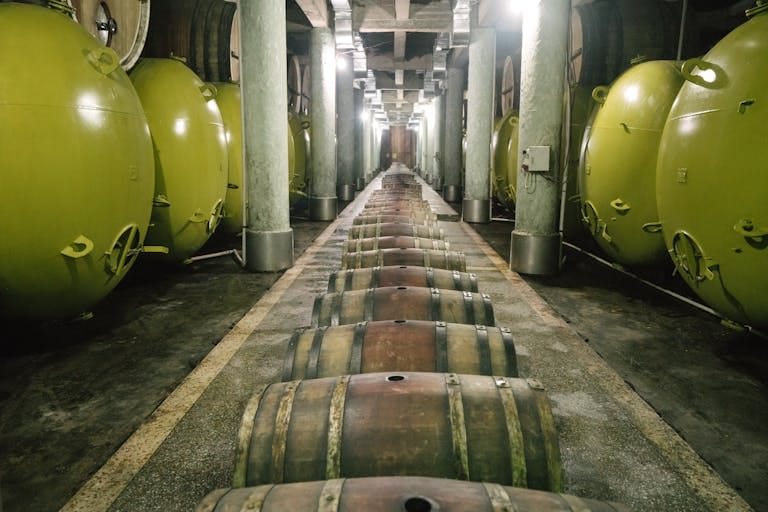

The ideal temperature for wine storage is a critical factor that can significantly influence the aging process and overall quality of the wine. Generally, the recommended temperature range for storing wine is between 45°F to 65°F (7°C to 18°C), with many experts suggesting that a temperature around 55°F (13°C) is optimal for most wines. This temperature range allows the wine to mature gracefully, developing its flavors and aromas without the risk of spoilage.
Storing wine at temperatures that are too high can accelerate the aging process, leading to a loss of flavor and complexity, while temperatures that are too low can inhibit the development of the wine, resulting in a flat taste. Moreover, it is essential to consider the type of wine being stored, as different varieties may have slightly different ideal storage temperatures. For instance, red wines typically benefit from being stored at slightly warmer temperatures compared to white wines.
Understanding these nuances is vital for any wine enthusiast or collector who wishes to preserve their collection’s integrity. By maintaining the right temperature, you can ensure that your wines reach their full potential when it comes time to enjoy them.
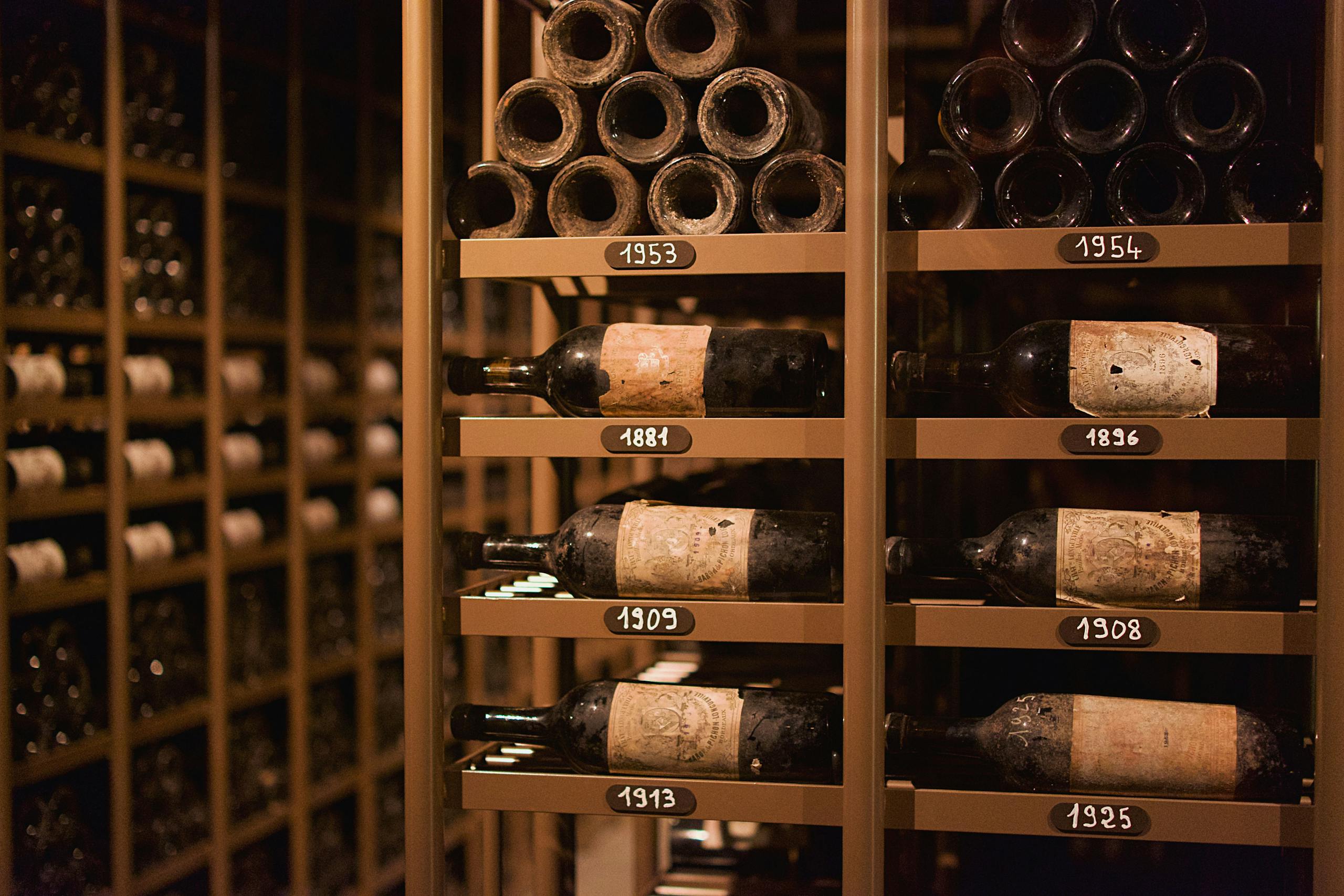
Choosing the Right Cooling System for Your Wine Cellar
Selecting an appropriate cooling system for your wine cellar is paramount to maintaining the ideal storage conditions. There are various types of cooling systems available, each with its own advantages and disadvantages. The most common options include ducted systems, self-contained units, and split systems.
Ducted systems are often preferred for larger cellars as they can distribute cool air evenly throughout the space, ensuring consistent temperatures. However, they may require more extensive installation and can be more costly. Self-contained units are a popular choice for smaller wine cellars or those looking for a more straightforward installation process.
These units are typically easier to set up and maintain, making them an attractive option for many wine enthusiasts. On the other hand, split systems offer flexibility in terms of placement and can be more energy-efficient. When choosing a cooling system, it is essential to consider factors such as the size of your cellar, your budget, and your specific storage needs.
A well-chosen cooling system will not only help maintain the ideal temperature but also contribute to the longevity of your wine collection.
Monitoring and Controlling Humidity Levels
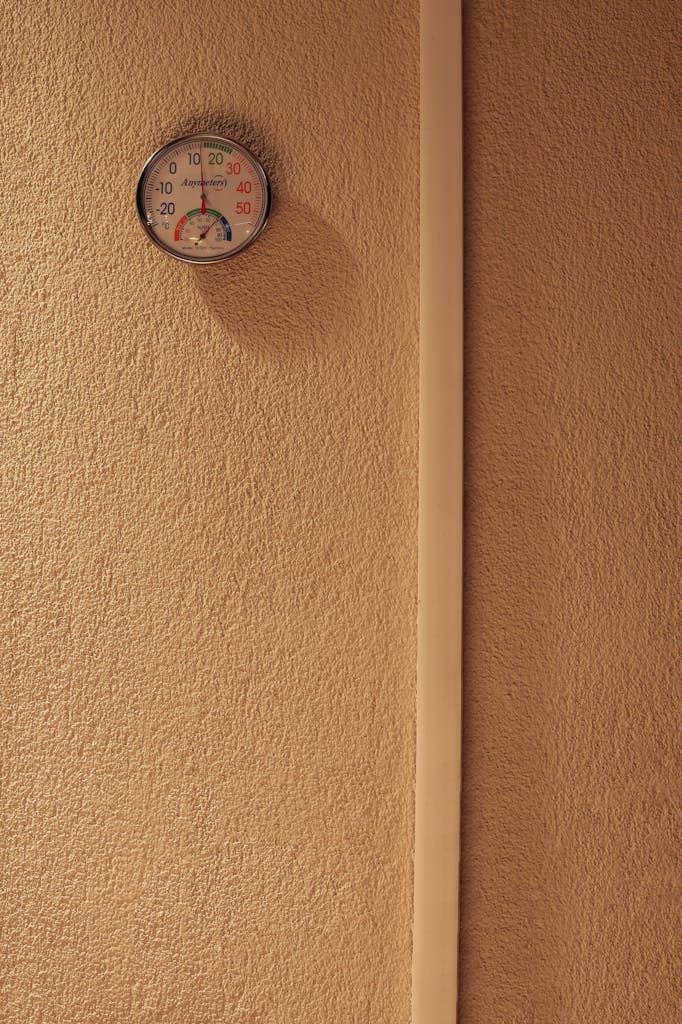
Humidity plays a crucial role in wine storage, as it affects both the cork and the overall quality of the wine. Ideally, humidity levels in a wine cellar should be maintained between 50% and 70%. If humidity levels are too low, corks can dry out, leading to oxidation and spoilage of the wine.
Conversely, excessively high humidity can promote mold growth and damage labels, which may affect the wine’s value and appeal. To effectively monitor and control humidity levels in your wine cellar, it is essential to invest in a reliable humidification system. This could range from simple solutions like placing a shallow pan of water in the cellar to more sophisticated humidifiers designed specifically for wine storage.
Regularly checking humidity levels with a hygrometer will help you stay informed about the conditions in your cellar. By maintaining optimal humidity levels, you can protect your investment and ensure that your wines age gracefully over time.
Insulating Your Wine Cellar for Temperature Stability
Proper insulation is vital for maintaining temperature stability in your wine cellar. Insulation helps to prevent external temperature fluctuations from affecting the internal environment, ensuring that your wines are stored under consistent conditions. When constructing or renovating a wine cellar, it is essential to use high-quality insulation materials that can effectively minimize heat transfer.
Common insulation materials include foam board, spray foam, and fiberglass batts. In addition to insulating walls, it is equally important to insulate doors and ceilings. A well-insulated door will prevent warm air from entering the cellar when opened and help maintain a stable internal temperature.
Furthermore, sealing any gaps or cracks in the structure will enhance insulation effectiveness. By investing in proper insulation techniques, you can create an environment that supports optimal wine storage conditions while also reducing energy costs associated with cooling systems.
Avoiding Temperature Fluctuations in Your Wine Cellar
Temperature fluctuations can be detrimental to wine storage, as they can disrupt the aging process and negatively impact flavor profiles. It is crucial to create a stable environment within your wine cellar by minimizing exposure to external temperature changes. One effective way to achieve this is by placing your wine cellar in a location that is less susceptible to temperature variations, such as a basement or an interior room away from windows and exterior walls.
Additionally, using a dedicated cooling system designed specifically for wine storage can help maintain consistent temperatures. Regularly monitoring temperature levels with a thermometer will allow you to identify any fluctuations promptly. If you notice significant changes in temperature, it may be necessary to adjust your cooling system or insulation methods accordingly.
By taking proactive measures to avoid temperature fluctuations, you can ensure that your wines remain in optimal condition throughout their aging process.
Using Thermometers and Hygrometers to Monitor Conditions
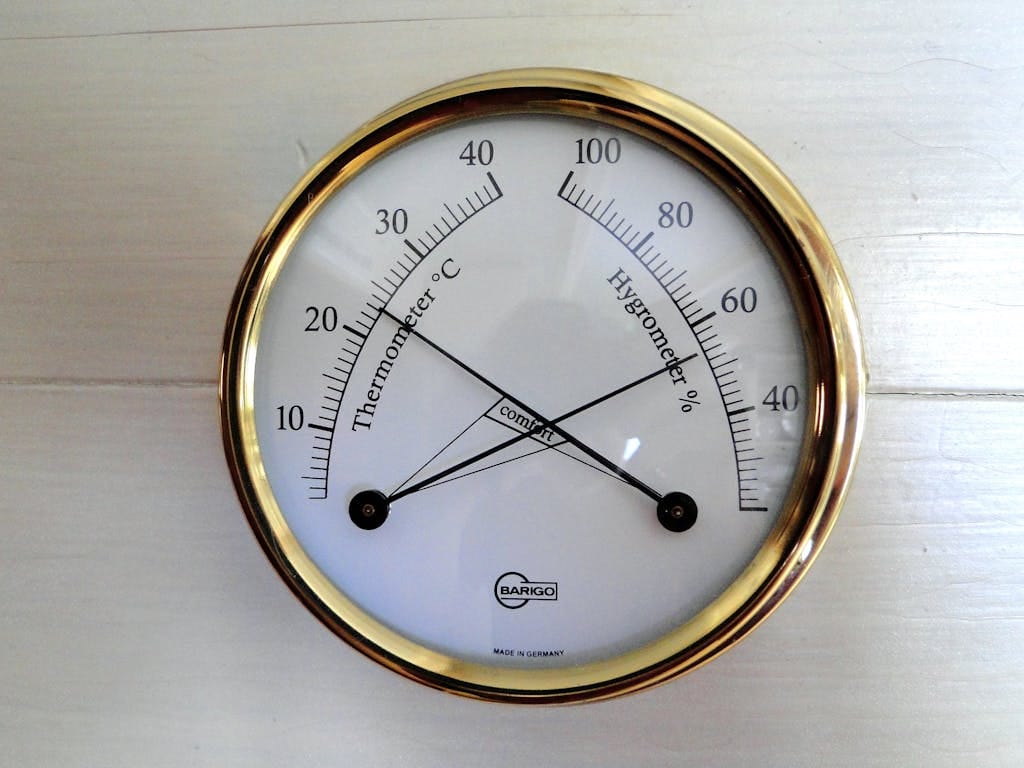
To effectively manage your wine cellar’s environment, utilizing thermometers and hygrometers is essential. These instruments provide real-time data on temperature and humidity levels, allowing you to make informed decisions about your storage conditions. Digital thermometers and hygrometers are particularly useful as they often come equipped with features such as alarms that alert you when conditions fall outside of your desired range.
When selecting thermometers and hygrometers for your wine cellar, consider models specifically designed for wine storage applications. These devices are typically more accurate and reliable than standard household models. Regularly checking these readings will help you maintain optimal conditions for your wine collection.
By staying vigilant about monitoring these factors, you can take immediate action if any adjustments are needed, ensuring that your wines remain protected.
Maintaining Proper Air Circulation in Your Wine Cellar
Air circulation is another critical aspect of effective wine storage that should not be overlooked. Proper airflow helps prevent stagnant air from accumulating in the cellar, which can lead to mold growth and unpleasant odors that may affect the quality of your wines. Additionally, good air circulation aids in maintaining consistent temperatures throughout the space.
To promote adequate air circulation in your wine cellar, consider installing fans or utilizing built-in ventilation systems within your cooling unit. Positioning shelves strategically can also enhance airflow by allowing space between bottles for air to move freely. Regularly checking for any obstructions or blockages will help ensure that air can circulate effectively throughout the cellar.
By prioritizing proper air circulation, you can create an environment conducive to preserving the integrity of your wine collection.
Seeking Professional Help for Wine Cellar Temperature Management
While many wine enthusiasts may feel comfortable managing their own wine cellars, seeking professional help can provide invaluable expertise in temperature management. Professionals specializing in wine storage solutions possess extensive knowledge about optimal conditions and can offer tailored advice based on your specific needs and collection size. They can assist with everything from designing an efficient cooling system to recommending insulation materials that best suit your space.
Additionally, professionals can conduct regular assessments of your wine cellar’s environment to ensure that all systems are functioning correctly and that conditions remain stable over time. This proactive approach can save you from potential issues down the line and provide peace of mind knowing that your investment is being well cared for. By enlisting professional assistance, you can enhance your wine storage experience and ensure that your collection remains in pristine condition for years to come.
FAQs
What is the ideal temperature for a wine cellar in San Francisco?
The ideal temperature for a wine cellar in San Francisco is between 55-58 degrees Fahrenheit.
Why is it important to maintain the perfect temperature in a wine cellar?
Maintaining the perfect temperature in a wine cellar is important because it helps to preserve the quality and flavor of the wine. Fluctuations in temperature can cause the wine to age prematurely or develop off-flavors.
How can I keep my San Francisco wine cellar at the perfect temperature?
You can keep your San Francisco wine cellar at the perfect temperature by installing a temperature control system, insulating the cellar, and using a thermometer to monitor the temperature regularly.
What are the consequences of storing wine at the wrong temperature?
Storing wine at the wrong temperature can lead to premature aging, oxidation, and the development of off-flavors. It can also affect the overall quality and taste of the wine.
Are there any specific considerations for keeping a wine cellar at the perfect temperature in San Francisco?
In San Francisco, it’s important to consider the city’s unique climate, which can be cool and foggy. This means that extra insulation and a reliable temperature control system may be necessary to maintain the ideal wine cellar temperature.