
San Francisco’s climate is characterized by its unique microclimates, which can significantly influence the storage and aging of wine. The city experiences a Mediterranean climate, marked by cool, foggy summers and mild, wet winters. This variability can pose challenges for wine collectors and enthusiasts who wish to maintain optimal conditions for their collections.
The average temperature in San Francisco hovers around 60°F, but fluctuations can occur, especially with the influence of coastal winds and the city’s topography. Understanding these climatic nuances is essential for anyone looking to create a wine cellar that preserves the integrity of their collection. The coastal fog that blankets San Francisco can be both a blessing and a curse.
While it helps to moderate temperatures, it can also introduce humidity levels that may not be ideal for wine storage. High humidity can lead to mold growth on corks, while excessively dry conditions can cause corks to dry out and allow air to seep into bottles. Therefore, it is crucial for wine cellar owners to consider these factors when designing their space.
By taking into account the local climate, one can create a controlled environment that ensures wines age gracefully and remain in pristine condition.
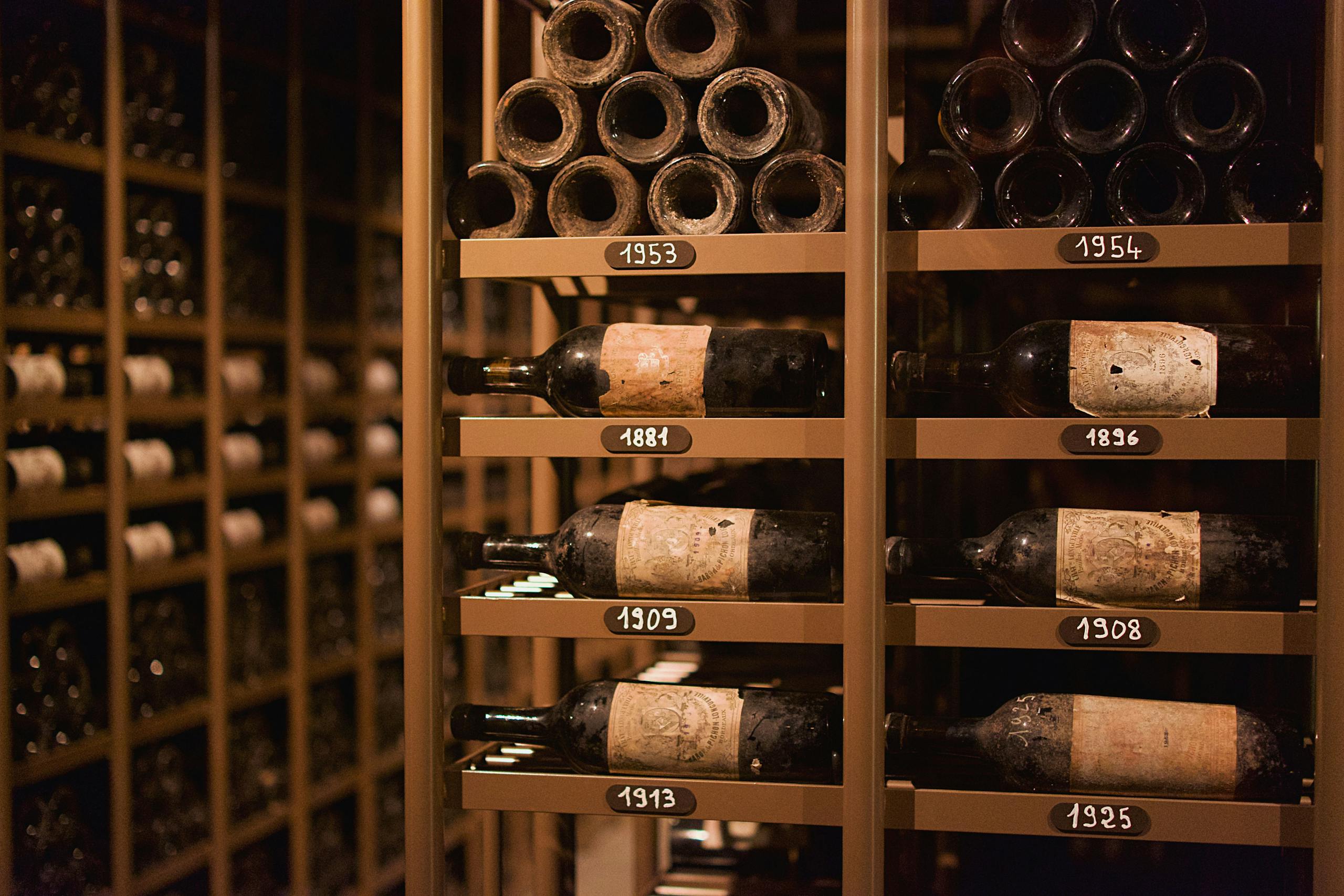
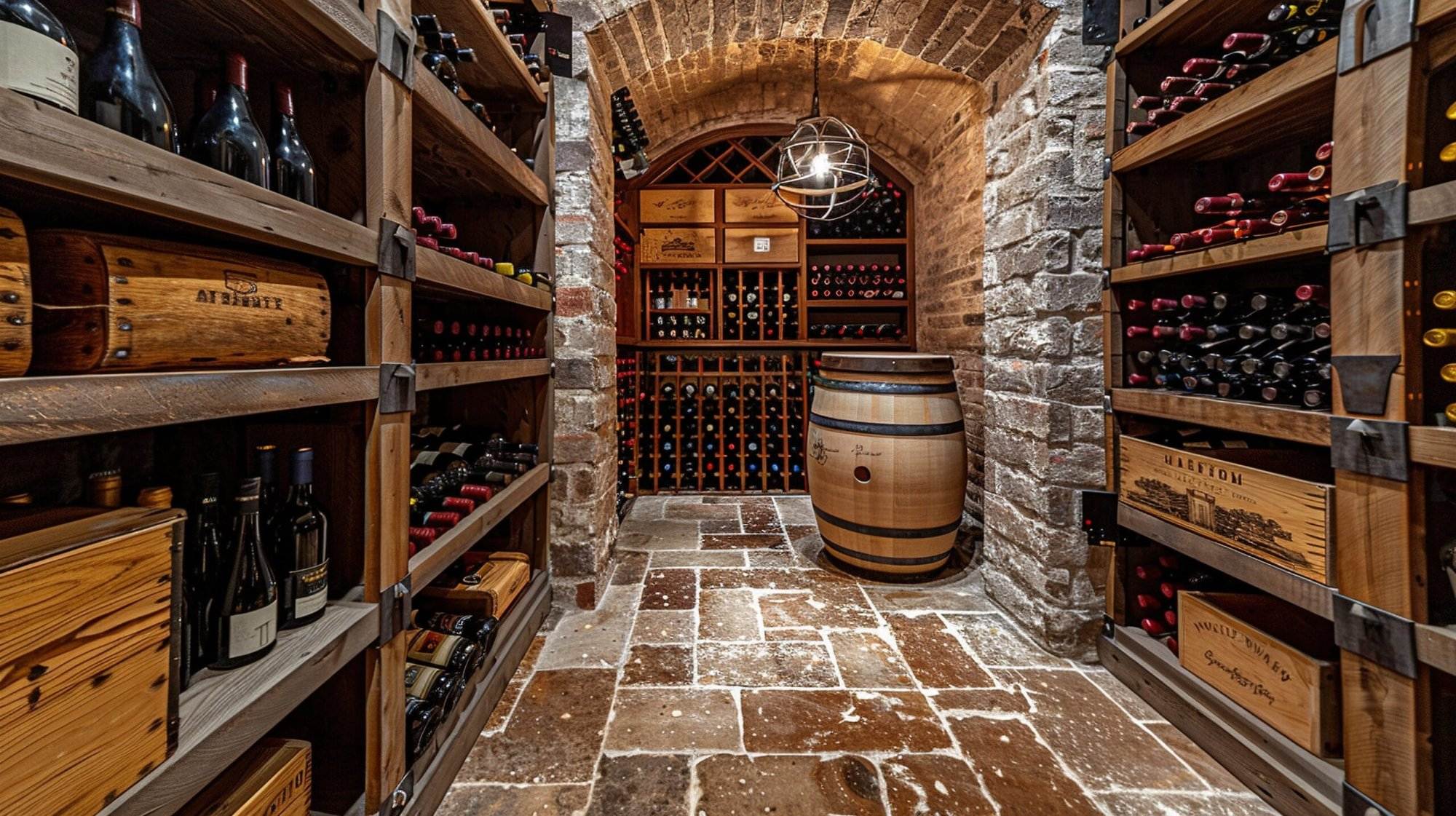
Choosing the Right Location for Your Wine Cellar
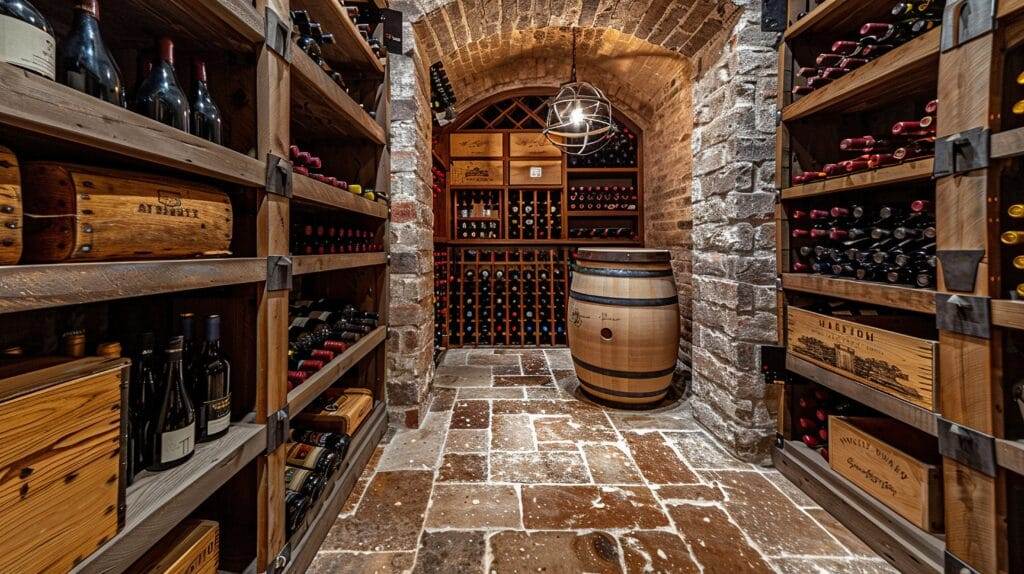
Selecting the ideal location for a wine cellar is a critical step in ensuring the longevity and quality of your collection. The location should be away from direct sunlight and heat sources, as both can adversely affect the wine’s flavor and aging process.Basements are often considered prime locations due to their naturally cooler temperatures and stable humidity levels.
However, in San Francisco, where basements may not be as common, alternative spaces such as closets or under-stair areas can also be transformed into effective wine storage solutions. In addition to temperature considerations, accessibility is another important factor when choosing a location for your wine cellar. The space should be easily accessible for regular inventory checks and for retrieving bottles when needed.
A well-placed wine cellar can enhance the overall enjoyment of your collection, allowing you to share your passion with friends and family. Furthermore, consider the aesthetic aspect of your wine cellar; it should complement your home’s design while providing a functional space for your wines.
Insulation and Vapor Barriers
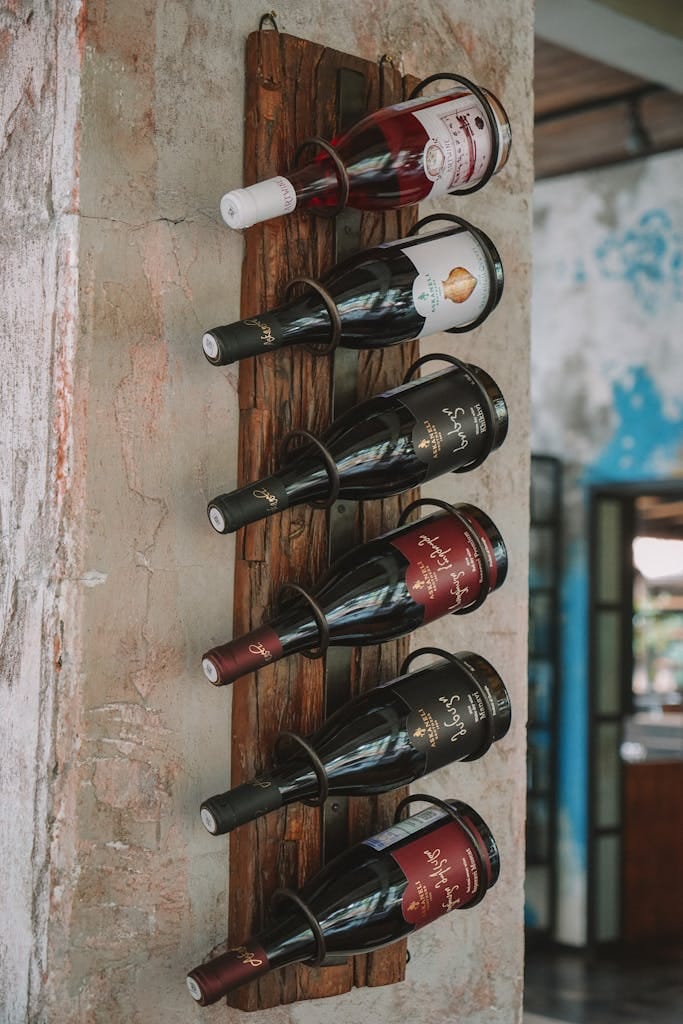
Proper insulation is vital for maintaining a consistent temperature within your wine cellar. Insulation helps to prevent external temperature fluctuations from affecting the internal environment, ensuring that your wines are stored under optimal conditions. In San Francisco, where temperatures can vary significantly throughout the day, investing in high-quality insulation materials is essential.
Rigid foam boards or spray foam insulation are excellent choices, as they provide superior thermal resistance and help maintain a stable climate. In addition to insulation, vapor barriers play a crucial role in protecting your wine cellar from moisture intrusion. A vapor barrier prevents humidity from seeping into the walls and ceiling of the cellar, which can lead to mold growth and damage to your wine collection.
Installing a vapor barrier during the construction or renovation of your wine cellar will help ensure that the environment remains dry and conducive to proper wine storage. Together, insulation and vapor barriers create a protective envelope that safeguards your investment.
HVAC Systems for Wine Cellars
An effective HVAC system is essential for maintaining the ideal climate within your wine cellar. Given San Francisco’s variable weather patterns, a specialized wine cooling unit is often recommended over standard air conditioning systems. These units are designed specifically for wine storage, allowing you to control both temperature and humidity levels accurately.
A good wine cooling system will maintain a consistent temperature between 55°F and 58°F, which is optimal for aging most wines. When selecting an HVAC system for your wine cellar, consider factors such as size, capacity, and energy efficiency. The unit should be appropriately sized for the volume of wine you plan to store; an undersized unit may struggle to maintain the desired conditions, while an oversized unit may lead to temperature fluctuations due to frequent cycling on and off.
Additionally, energy-efficient models can help reduce operating costs while providing reliable performance. Investing in a quality HVAC system is crucial for preserving the integrity of your wine collection over time.
Lighting and Humidity Control
Lighting plays a significant role in creating an ideal environment for wine storage. Ultraviolet (UV) light can degrade wine quality over time, leading to undesirable flavors and aromas. Therefore, it is advisable to use LED lighting in your wine cellar, as it emits minimal UV radiation and generates less heat compared to traditional incandescent bulbs.
Properly placed lighting can enhance the aesthetic appeal of your cellar while ensuring that your wines remain protected from harmful light exposure. Humidity control is equally important in maintaining optimal conditions for wine storage. Ideally, humidity levels should be kept between 50% and 70%.
Too much humidity can lead to mold growth on corks, while too little can cause corks to dry out and allow air into the bottles. Many modern HVAC systems come equipped with humidity control features, but additional measures such as humidifiers or dehumidifiers may be necessary depending on your specific environment. Monitoring humidity levels regularly will help ensure that your wines are stored in an environment conducive to aging.
Racking and Shelving Options
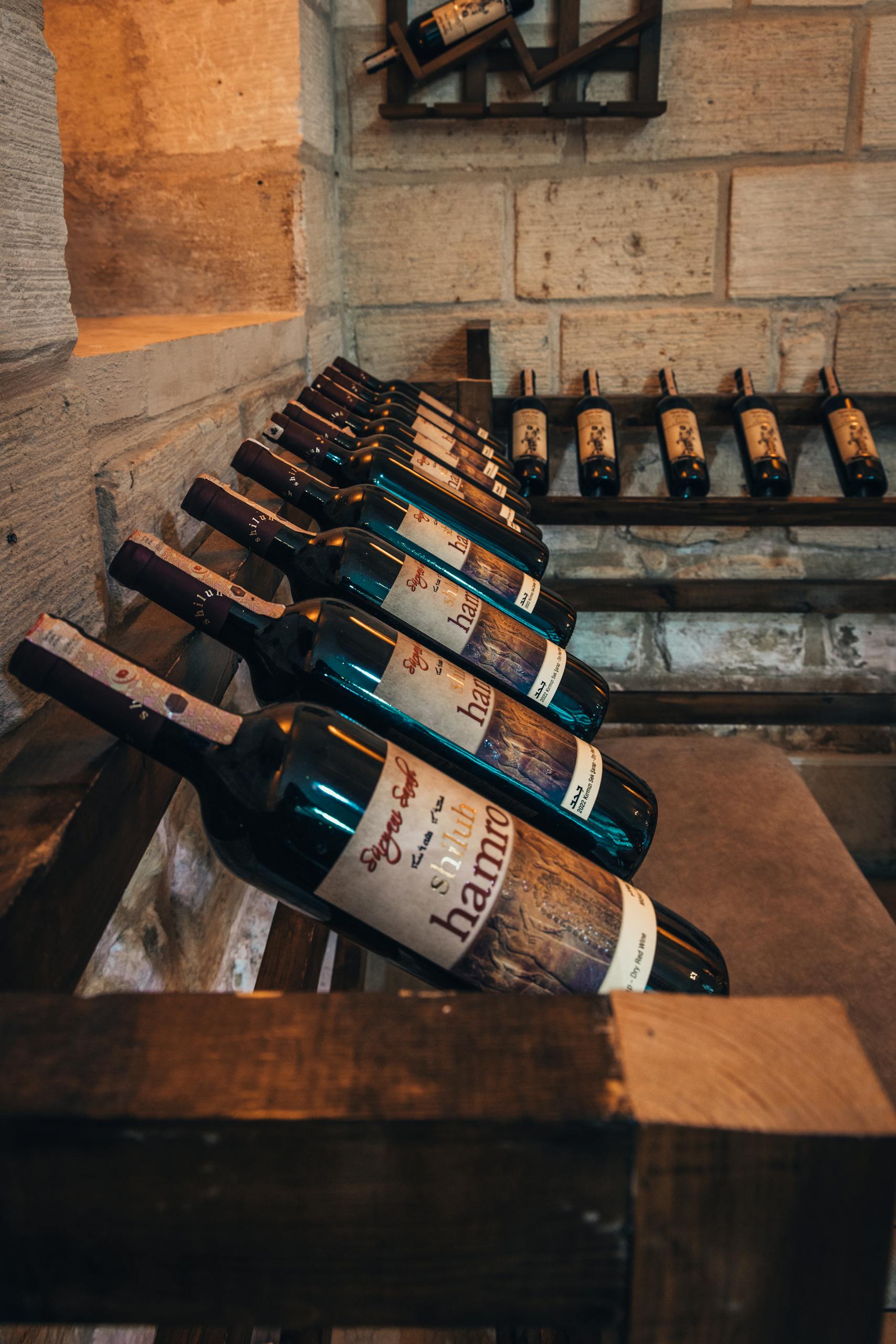
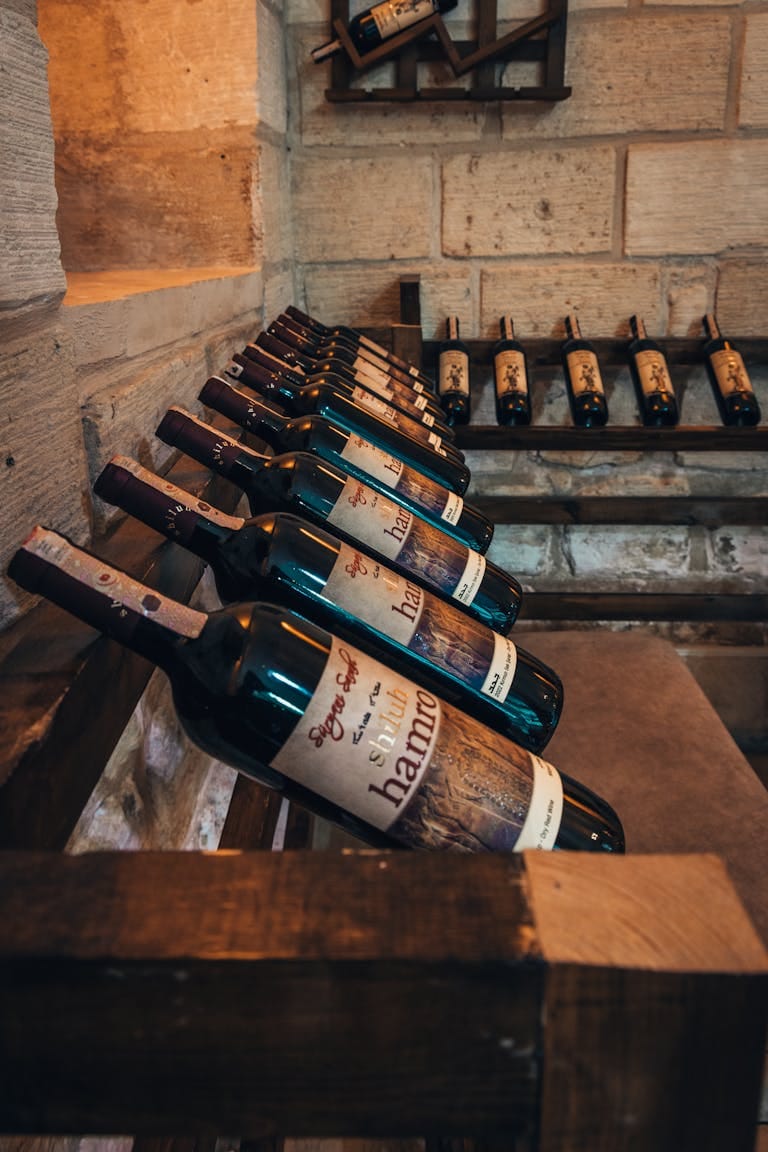
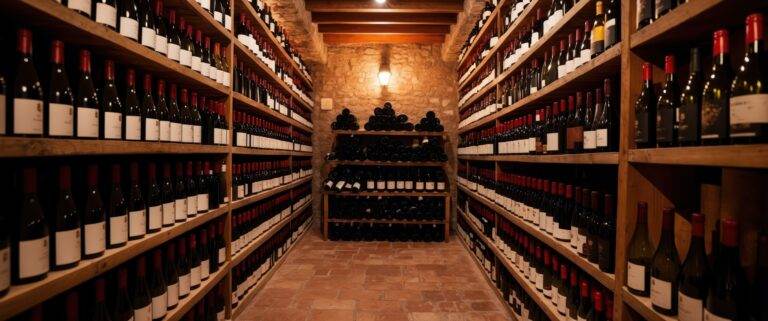
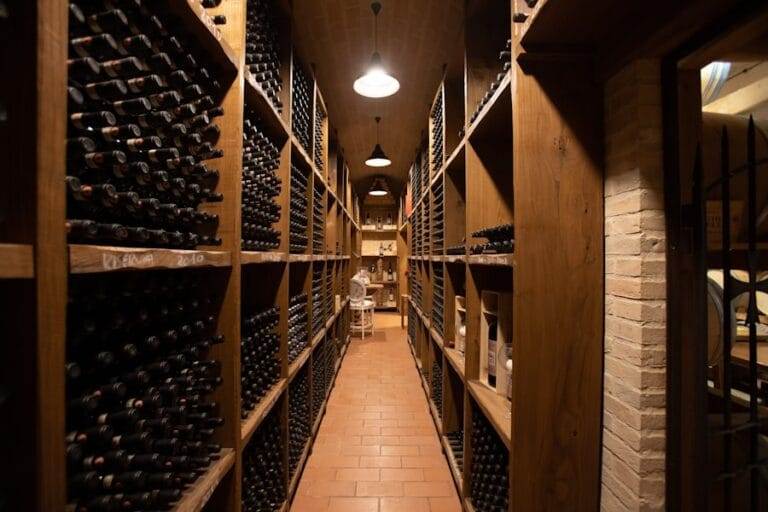
The design of your wine racking system is not only functional but also contributes to the overall aesthetic of your wine cellar. There are various racking options available, ranging from traditional wooden racks to modern metal designs. When selecting racking systems, consider factors such as capacity, accessibility, and style.
Wooden racks offer a classic look and can be customized to fit your space perfectly, while metal racks provide a sleek, contemporary appearance. In addition to aesthetics, functionality is key when choosing racking options. Consider how you plan to organize your collection—by varietal, region, or vintage—and select racks that accommodate this organization method.
Adjustable shelving can also provide flexibility as your collection grows or changes over time. Ultimately, the right racking system will not only showcase your wines beautifully but also make it easy to access them when needed.
Security and Monitoring
As a valuable investment, securing your wine cellar is paramount. Implementing security measures will help protect your collection from theft or damage. Consider installing a sturdy door with a reliable locking mechanism to deter unauthorized access.
Additionally, surveillance cameras can provide an extra layer of security by allowing you to monitor the space remotely. Monitoring systems are also essential for ensuring that your wine cellar maintains optimal conditions at all times. Temperature and humidity sensors can alert you if conditions deviate from the desired range, allowing you to take corrective action before any damage occurs.
Some advanced monitoring systems even offer smartphone notifications, enabling you to keep tabs on your cellar from anywhere. By prioritizing security and monitoring, you can enjoy peace of mind knowing that your collection is well-protected.
Maintaining Your Climate-Controlled Wine Cellar
Regular maintenance is crucial for ensuring that your climate-controlled wine cellar continues to function optimally over time. Start by routinely checking the HVAC system to ensure it operates efficiently; this includes cleaning filters and inspecting ducts for any obstructions or leaks. Keeping the cooling unit in good working order will help maintain consistent temperature and humidity levels within the cellar.
In addition to HVAC maintenance, regularly inspect your wine bottles for any signs of damage or spoilage. Check corks for dryness or mold growth and ensure that labels remain intact for easy identification. Periodically reassess your racking system as well; as your collection evolves, you may need to reorganize or expand your storage solutions.
By staying proactive with maintenance tasks, you can ensure that your climate-controlled wine cellar remains a sanctuary for your prized collection for years to come.
FAQs
What are the key factors to consider when designing a climate-controlled wine cellar in San Francisco?
Key factors to consider when designing a climate-controlled wine cellar in San Francisco include the city’s unique climate, which is characterized by cool, foggy summers and mild, wet winters. It is important to consider insulation, humidity control, and temperature regulation to ensure that the wine is stored in optimal conditions.
What is the ideal temperature and humidity for storing wine in San Francisco?
The ideal temperature for storing wine in San Francisco is between 55-58°F (13-15°C), with a humidity level of 60-70%. These conditions help to preserve the quality and flavor of the wine over time.
What are the best insulation and sealing options for a wine cellar in San Francisco?
The best insulation options for a wine cellar in San Francisco include closed-cell spray foam insulation and rigid foam insulation. It is also important to ensure that the cellar is properly sealed to prevent outside air from affecting the internal climate.
What type of cooling system is recommended for a climate-controlled wine cellar in San Francisco?
A split cooling system is recommended for a climate-controlled wine cellar in San Francisco. This system allows for the condenser to be placed outside the cellar, minimizing noise and heat inside the cellar while effectively regulating the temperature.
Are there any specific considerations for building a wine cellar in a residential space in San Francisco?
When building a wine cellar in a residential space in San Francisco, it is important to consider ventilation and air circulation to prevent mold and mildew growth. Additionally, it is important to comply with any building codes and regulations related to construction and renovation projects in the city.