
The conscientious curation of a wine cellar transcends mere storage; it is an exercise in environmental governance, a critical discipline for preserving and appreciating a liquid asset of significant value. As your architectural strategist and technical liaison for Wine Cellars San Francisco, my purpose is to illuminate the engineering principles that underscore the long-term viability of your collection. Today, we delve into a sophisticated aspect of cellar design: dedicated white wine zones and the principles of dual-climate engineering.
White wines, by their very nature, possess a distinct chemical composition and aging trajectory that differs from their red counterparts. While all wines benefit from stable and controlled environments, white wines exhibit a heightened sensitivity to fluctuations in temperature and humidity that can accelerate undesirable chemical reactions, leading to the denigration of their delicate aromatic profiles and structural integrity. This sensitivity necessitates a departure from a single, monolithic climate control strategy to one that embraces nuanced, zone-specific engineering. Consider the analogy of a precision laboratory; just as different reagents require disparate storage conditions for optimal stability, so too do different wine varietals. The naive approach of a single-zone cellar for an extensive collection, particularly one rich in whites, is akin to storing antibiotics alongside volatile organic compounds – a recipe for degradation.
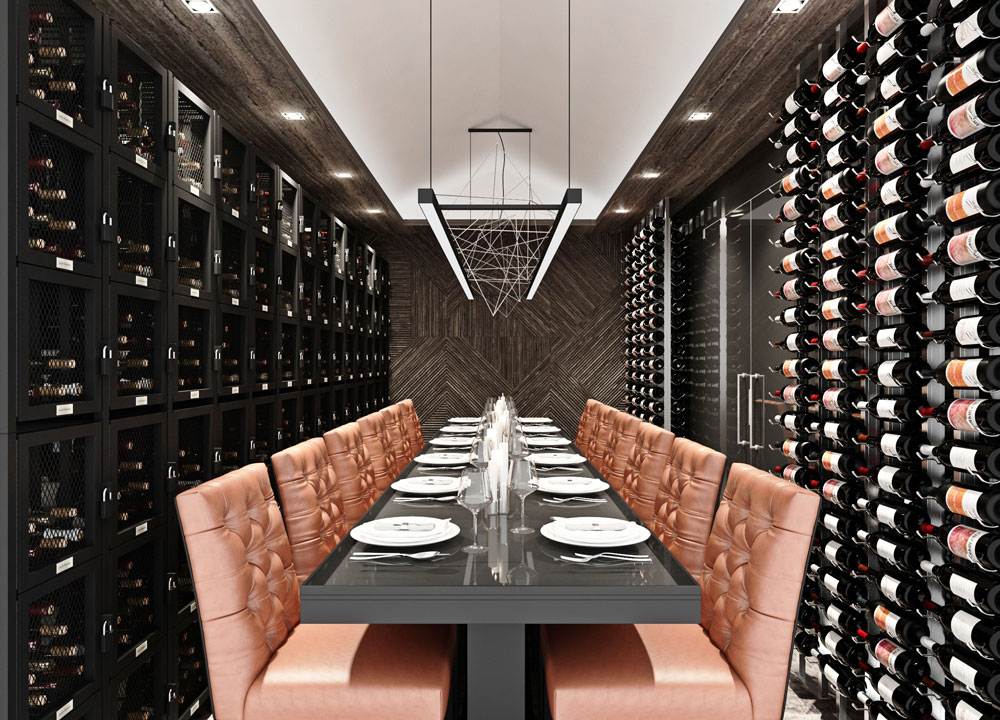
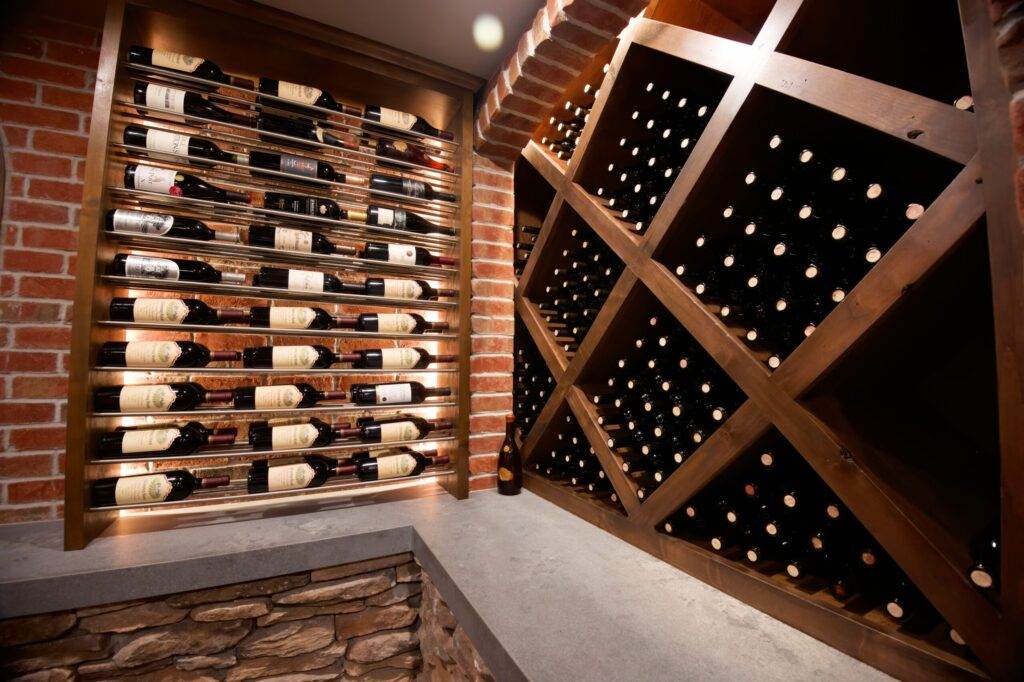
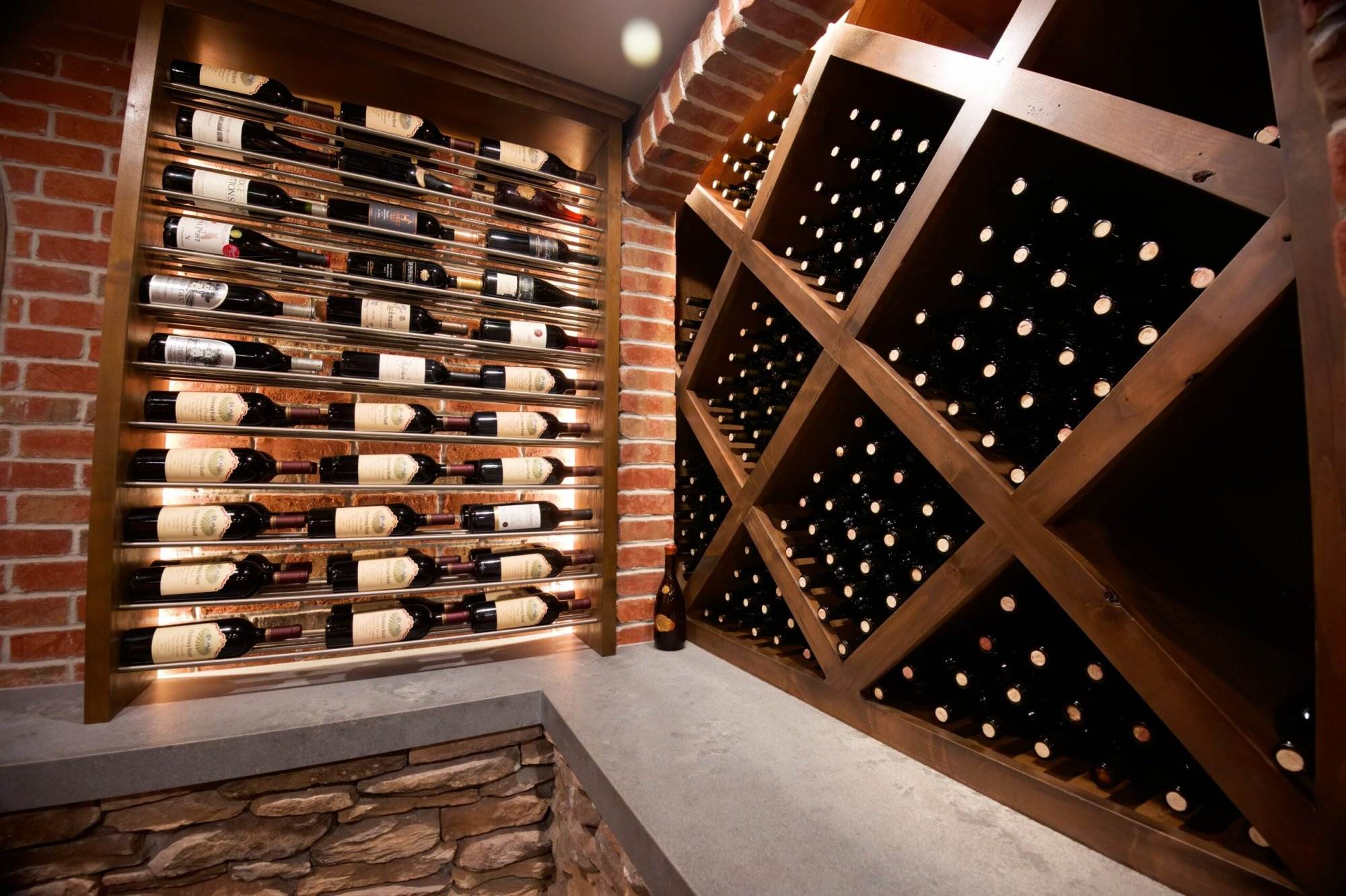
The Molecular Degradation Pathways
The core of this imperative lies in the molecular kinetics of wine degradation. Elevated temperatures, even within ostensibly “wine-safe” ranges for reds, can expedite oxidative processes in white wines. Phenolic compounds, responsible for the color and mouthfeel of many white wines, are susceptible to oxidation, leading to a browning or amber hue and a flat, lifeless palate. Conversely, temperatures that are too low can inhibit proper aging, preventing the development of complex secondary and tertiary aromas. The Maillard reaction, while more commonly associated with cooking, can also occur at subtler levels within wine, influenced by temperature, leading to the formation of undesirable sulfur compounds.
Terroir and Vintage Preservation
The ambition of any serious wine collector is to preserve not only the liquid itself but also the ephemeral essence of its origin – its terroir and the specific conditions of its vintage. White wines, often characterized by their vibrant acidity and nuanced fruit expression, are particularly vulnerable to environmental factors that can mask or obliterate these defining characteristics. A dedicated white wine zone ensures that these intricate sensory cues are not eroded by suboptimal storage, allowing the wine to evolve gracefully, as intended by the vintner and dictated by its vintage.
Dual-Climate Engineering: A Foundational Principle
Dual-climate engineering in wine cellars represents the strategic implementation of distinct environmental control systems within a singular cellar structure. This approach acknowledges that not all wines are created equal in their environmental demands, and that optimizing for one category may inadvertently compromise another. For white wines, this typically translates to a slightly cooler and potentially less humid environment than that which is optimal for robust red wines, which can often benefit from slightly warmer temperatures to facilitate graceful tannin evolution and development of tertiary aromas.
The Physics of Thermal Stratification
Understanding thermal stratification is paramount. Within any enclosed space, heat naturally rises, and cooler air descends. In a well-engineered cellar, this natural phenomenon is precisely managed. For a dual-climate system, this means establishing distinct thermal envelopes. The refrigeration system for the white wine zone is calibrated to maintain a lower setpoint, and its airflow is carefully directed to create a consistent, cooler mass of air within that designated area. Conversely, the red wine zone might operate at a slightly higher, but still stable, temperature. The critical factor is not merely the setpoint, but the stability of that setpoint. Fluctuations, even minute ones, act as stressors on the wine.
Humidity Control: A Symbiotic Relationship
While temperature is the primary concern for white wine preservation, humidity plays a crucial supporting role, even in dedicated zones. Overly dry conditions can lead to premature evaporation of wine through the cork, ultimately compromising the wine’s volume and potentially altering its concentration. Conversely, excessive humidity can foster mold growth on labels and corks, not only an aesthetic concern but a potential pathway for microbial contamination that could affect the wine. In a dual-climate system, humidity controls for each zone are independently managed, often through sophisticated dehumidification or humidification elements integrated into the primary cooling units. The objective is to maintain an organoleptically stable environment, where the wine molecules are not subjected to undue stress from atmospheric conditions.
Temperature Setpoints: Precision Over Broad Strokes
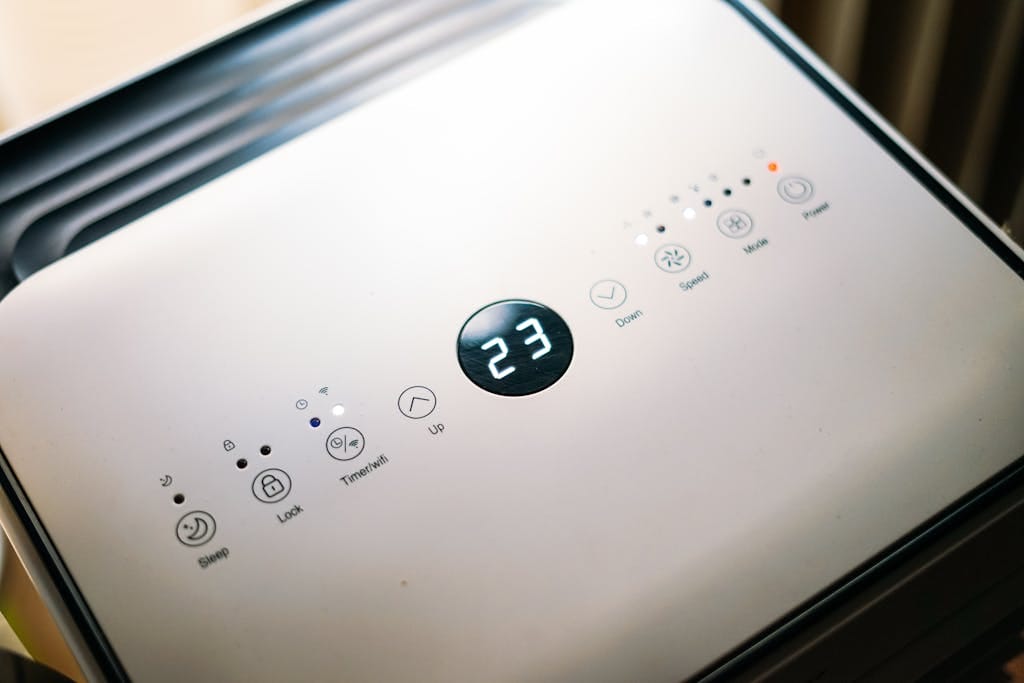
The debate surrounding ideal wine cellar temperatures often centers on a single figure. However, for a sophisticated collector, this misses the fundamental science. For white wines, the generally accepted optimal range for long-term aging is between 45°F and 55°F (7°C to 13°C). This cooler spectrum is critical for several reasons, each tied to the chemical stability of the specific compounds that define white wine.
The Impact of Elevated Temperatures on Aromatic Compounds
Volatile aromatic compounds, the very essence of a white wine’s bouquet – from crisp citrus notes to delicate floral hints – are highly susceptible to heat. Higher temperatures accelerate their chemical breakdown and evaporation. Imagine a delicate perfume left in direct sunlight; its vibrant top notes quickly dissipate. White wines, with their typically higher acidity and lower tannin structure compared to reds, lack the inherent protective matrices that higher tannin levels provide. Therefore, maintaining a cooler temperature acts as a crucial buffer, slowing these degradation pathways and preserving the intended olfactory complexity.
The Role of Acidity and pH Stability
Acidity is a cornerstone of white wine structure and longevity. It provides freshness, balances sweetness, and acts as a preservative. However, the delicate balance of a white wine’s pH can be dramatically influenced by temperature. Warmer temperatures can catalyze reactions that lead to a perceived flattening of acidity, a loss of vibrancy, and the potential for the development of off-flavors. A cooler, dedicated white wine zone helps to stabilize the pH, ensuring that the wine retains its intended bright, palate-cleansing character over decades.
Humidity Management in Dedicated White Wine Zones
While not as widely discussed as temperature, precise humidity control is an often-overlooked component of elite cellar design, particularly for white wines. The balance is delicate, and deviating from the optimal range can have significant repercussions.
The Perils of Dryness: Cork Dehydration and Evaporation
A cork is a living entity, and its integrity is paramount to the cellar’s success. In excessively dry environments, corks can desiccate, becoming brittle and prone to shrinkage. This shrinkage creates microscopic pathways between the cork and the bottle neck, allowing precious wine to slowly evaporate from the bottle. This is not only a quantitative loss but also a qualitative one, as the concentrated wine left behind can develop undesirable oxidation notes. For white wines, which often have less robust phenolic content to buffer against such changes, this can be particularly detrimental.
The Risks of Excess Moisture: Mold and Label Degradation
Conversely, excessively high humidity levels, typically above 65-70%, create an environment conducive to mold and mildew growth. This can manifest on labels, potentially obscuring vintages and appellations – an unacceptable outcome for any serious collector. More critically, unchecked mold growth can eventually compromise the integrity of the cork itself, creating a gateway for spoilage. Dual-climate systems allow for independent humidity regulation, ensuring that each zone maintains its ideal microclimate without compromising the other.
System Design and Integration: The Architect’s Blueprint
The successful implementation of a dual-climate wine cellar hinges on meticulous system design and seamless integration of advanced refrigeration and humidity control technologies. This is where the architectural strategy meets engineering precision. It is not an afterthought; it is the foundational blueprint.
Refrigeration Technology: Beyond Conventional Cooling
Standard residential refrigeration units are fundamentally unsuited for the demands of wine preservation. Wine cellar refrigeration systems are designed for continuous operation at stable, low temperatures, incorporating features such as robust insulation, specialized compressors, and precise thermostatic controls. For dual-climate systems, this necessitates the integration of two distinct cooling circuits or a sophisticated single-circuit system capable of independently managing multiple temperature zones. The objective is to achieve a near-perfect isolation of thermal environments. The airflow mechanisms are equally critical, designed to distribute conditioned air evenly within each zone without creating turbulent drafts that can disrupt the wine.
Humidity Control Mechanisms: Active and Passive Solutions
Humidity control in elite cellars is typically achieved through a combination of active and passive measures. Active systems include integrated humidifiers and dehumidifiers that work in conjunction with the refrigeration units to maintain precise humidity levels. Passive measures involve the selection of appropriate building materials. For instance, certain types of wood and insulation can naturally regulate moisture. In a dual-climate setup, these systems are tailored to the specific requirements of each zone, ensuring that the needs of white wines and red wines are met independently and synergistically. The result is an environment where every bottle, regardless of varietal, rests in its optimal sanctuary.
The dedication to engineering these specialized zones is not an indulgence; it is a commitment to the integrity and long-term appreciation of your wine as a valuable asset. By understanding and implementing these principles, we ensure that each vintage, each varietal, is afforded the precise environmental governance it requires to reach its full potential.
FAQs
What is meant by Dedicated White Wine Zones in viticulture?
Dedicated White Wine Zones refer to specific vineyard areas that are engineered or selected to optimize the growing conditions for white grape varieties. These zones often have tailored climate and soil characteristics that enhance the quality and flavor profile of white wines.
How does dual-climate engineering benefit white wine production?
Dual-climate engineering involves managing or utilizing two distinct climate conditions within a vineyard or region to create an ideal environment for white grape cultivation. This approach can help balance temperature variations, improve grape ripening, and enhance the complexity and freshness of white wines.
What are the key climate factors considered in dual-climate engineering for white wine zones?
Key climate factors include temperature ranges, diurnal temperature variation (difference between day and night temperatures), humidity levels, sunlight exposure, and seasonal weather patterns. Managing these factors helps in controlling grape sugar levels, acidity, and aromatic compounds essential for white wine quality.
Are Dedicated White Wine Zones a natural or man-made concept?
Dedicated White Wine Zones can be both natural and man-made. Some regions naturally possess the ideal climate and soil for white grape varieties, while others use viticultural techniques and climate engineering to create or enhance these zones for better white wine production.
Which white grape varieties benefit most from dual-climate engineered zones?
White grape varieties such as Chardonnay, Sauvignon Blanc, Riesling, and Pinot Grigio often benefit from dual-climate engineered zones. These varieties require specific temperature and humidity conditions to develop their characteristic flavors and maintain balanced acidity.