
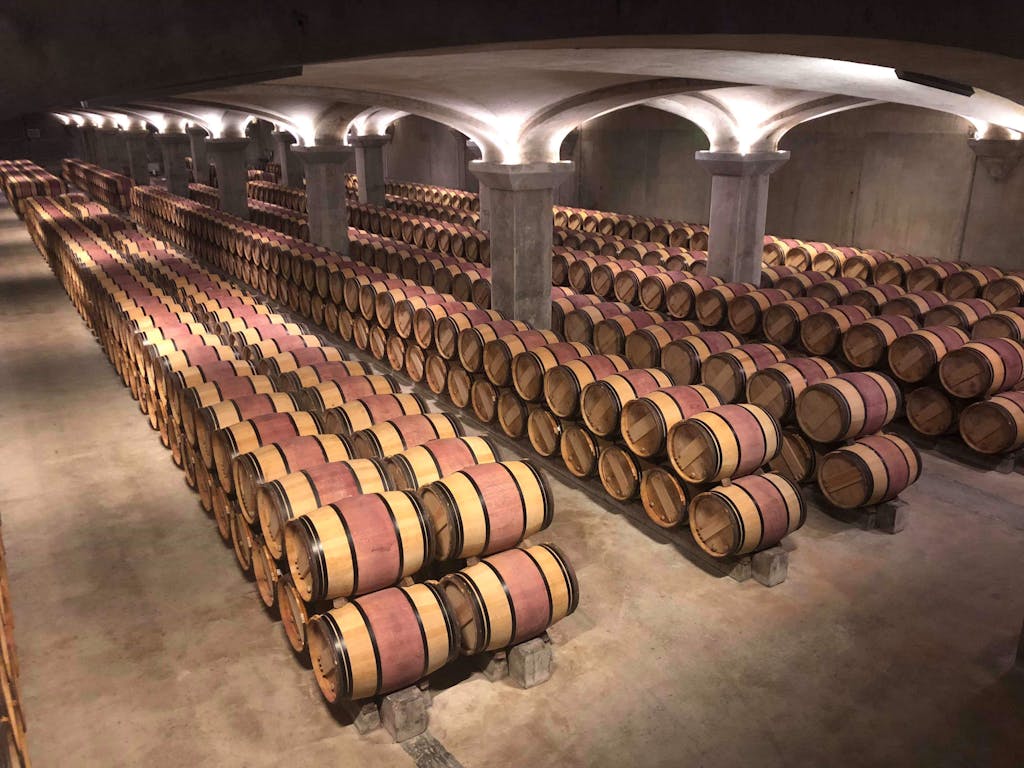
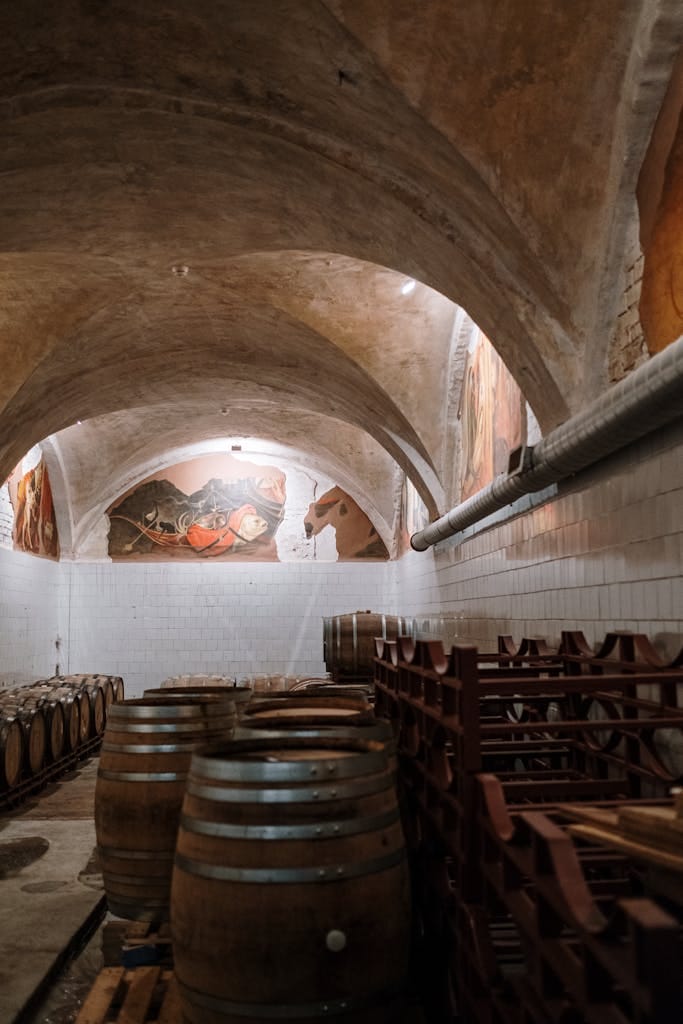
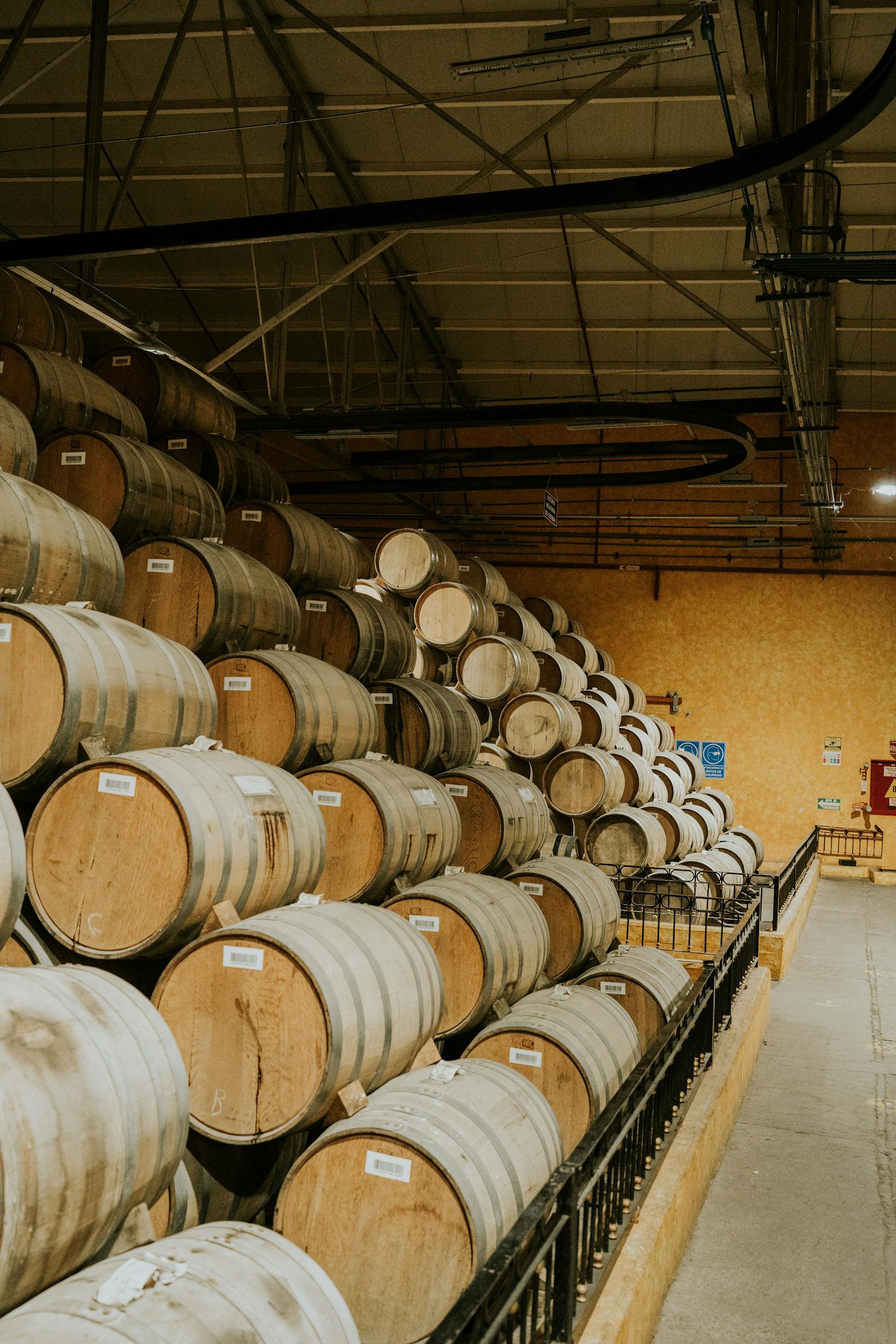
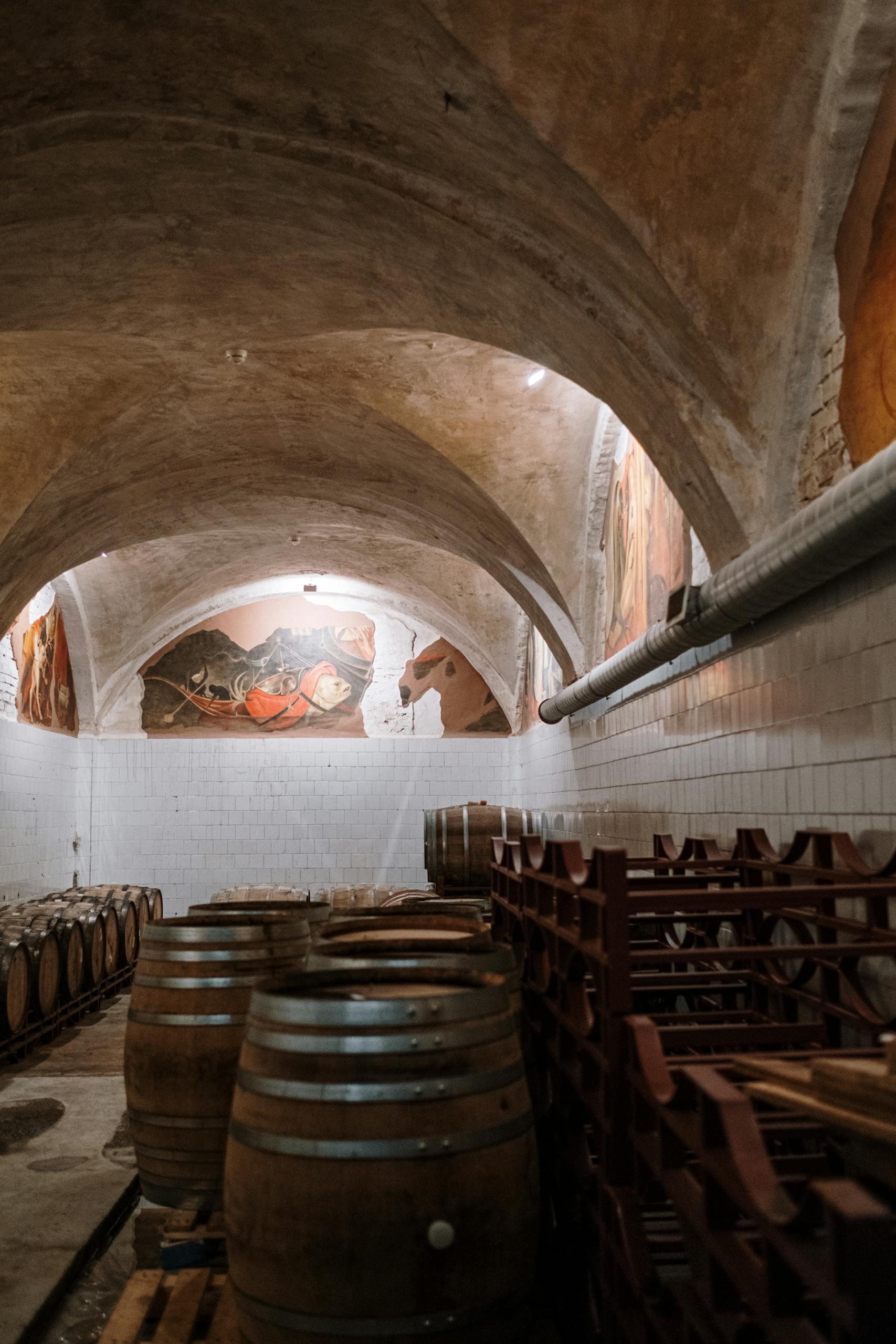
When embarking on the journey of establishing a wine cellar, the first and foremost consideration is the location and climate. The ideal site for a wine cellar should be in a space that maintains a consistent temperature and humidity level, as fluctuations can adversely affect the quality of the wine. A basement is often the preferred choice due to its naturally cooler environment, but other areas of the home can also be suitable if they are properly insulated and climate-controlled.
Proximity to external walls should be minimized to avoid exposure to temperature extremes, while also ensuring that the cellar is not located near heat sources such as furnaces or water heaters. Climate plays a pivotal role in wine storage. In regions with high humidity, it is essential to ensure that the cellar does not become overly damp, which can lead to mold growth on corks and labels.
Conversely, in arid climates, maintaining adequate humidity levels becomes crucial to prevent corks from drying out and allowing air to seep into the bottles. Therefore, understanding the local climate and how it interacts with the chosen location is vital for creating an optimal environment for wine preservation.
Building Regulations and Permits
Before commencing construction on a wine cellar, it is imperative to familiarize oneself with local building regulations and permit requirements. These regulations can vary significantly depending on the jurisdiction, and failing to comply can lead to costly delays or even legal issues. It is advisable to consult with local authorities or a knowledgeable contractor who can provide guidance on what permits are necessary for your project.
This may include electrical permits for lighting and climate control systems, as well as structural permits if significant alterations to the existing space are planned. In addition to obtaining the necessary permits, it is also important to consider any zoning laws that may affect the construction of a wine cellar. Some areas may have restrictions on the types of structures that can be built or modified, particularly in residential neighborhoods.
Understanding these regulations early in the planning process can help avoid complications down the line and ensure that your wine cellar is both compliant and safe.
Design and Layout
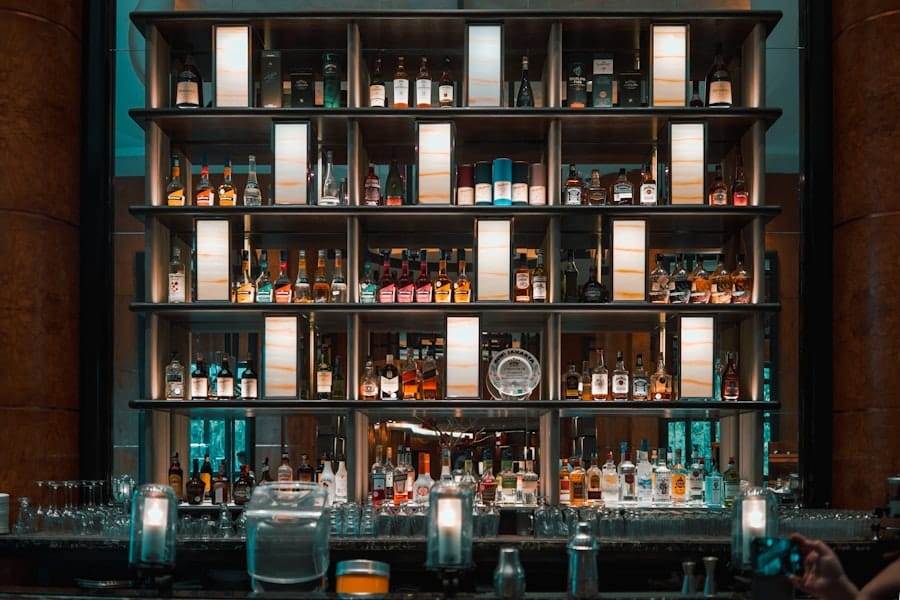
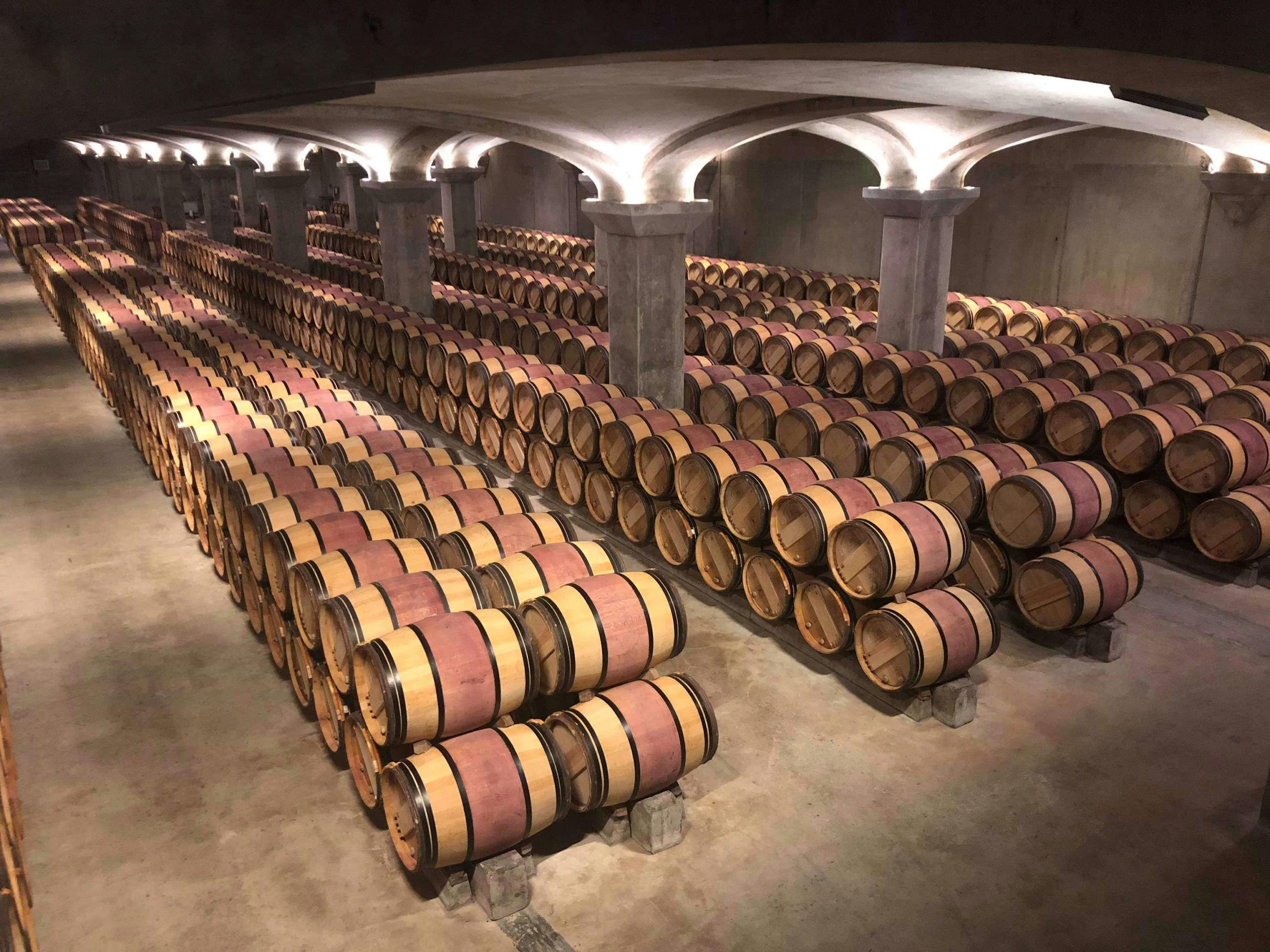
The design and layout of a wine cellar are critical components that influence both functionality and aesthetics. A well-thought-out design will not only maximize storage capacity but also create an inviting atmosphere for wine enthusiasts. When planning the layout, consider factors such as the size of the collection, the types of bottles being stored, and how often access will be needed.
A common approach is to incorporate various storage options, including racks for standard bottles, bins for larger formats, and even dedicated spaces for special vintages. In addition to functionality, the design should also reflect personal style and complement the overall aesthetic of the home. This can be achieved through careful selection of materials, colors, and finishes.
For instance, using natural wood for shelving can create a warm and rustic feel, while metal or glass elements can lend a more modern touch. Lighting should also be considered in the design phase; strategically placed lights can enhance the visual appeal of the cellar while ensuring that bottles are easily accessible.
Storage and Shelving Options
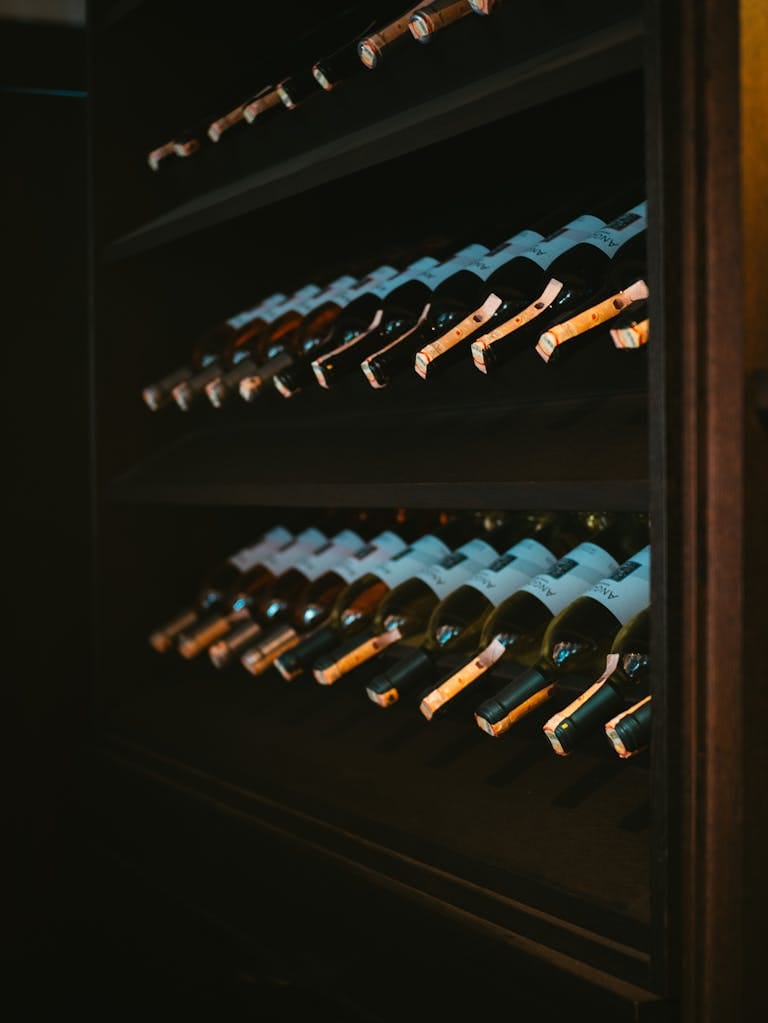
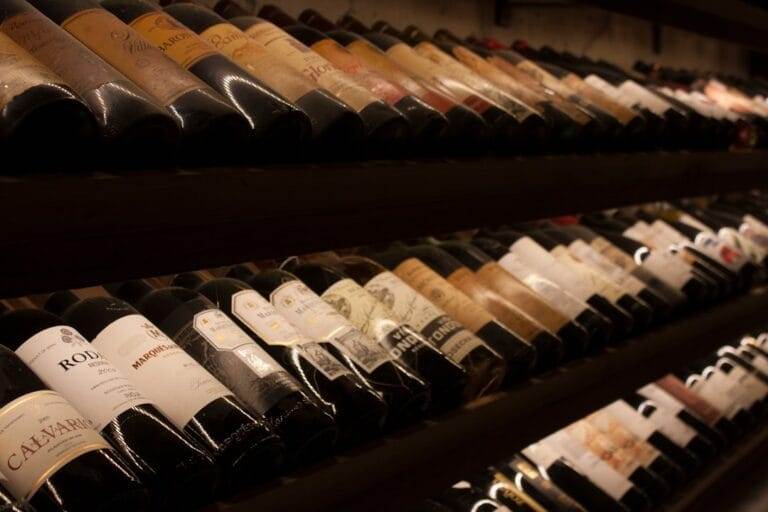
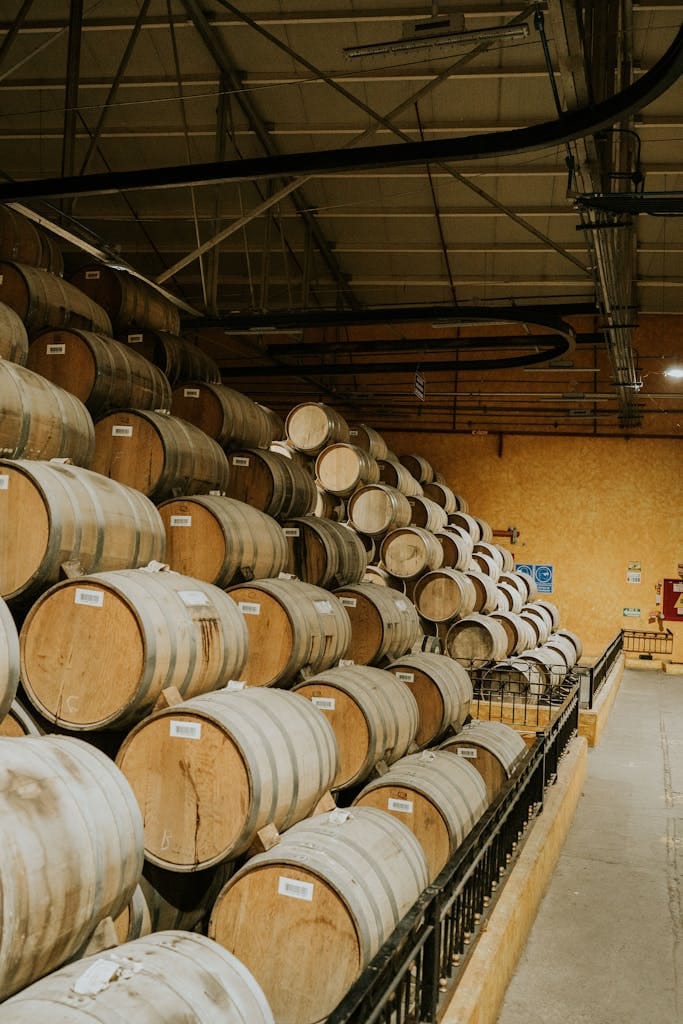
Selecting the right storage and shelving options is essential for maintaining an organized and efficient wine cellar. There are numerous styles available, each catering to different needs and preferences. Traditional wooden racks are popular for their classic look and ability to accommodate standard bottle sizes.
However, modular shelving systems offer versatility, allowing for customization based on specific bottle dimensions or collection size. In addition to standard racks, consider incorporating innovative storage solutions such as wine cabinets or climate-controlled units for valuable or rare bottles. These options provide additional protection against temperature fluctuations and light exposure.
Furthermore, utilizing vertical space by installing wall-mounted racks or ceiling storage can help maximize storage capacity without compromising floor space. Ultimately, the choice of storage should align with both practical needs and aesthetic desires.
Temperature and Humidity Control
Maintaining optimal temperature and humidity levels is paramount in preserving the integrity of wine. The ideal temperature for storing wine typically ranges between 55°F to 65°F (13°C to 18°C), while humidity levels should be kept between 50% to 70%. To achieve these conditions, investing in a reliable climate control system is essential.
This may include dedicated cooling units designed specifically for wine cellars, which can maintain consistent temperatures regardless of external conditions. Humidity control is equally important; too much moisture can lead to mold growth, while too little can dry out corks and compromise seals. Many modern climate control systems come equipped with built-in humidifiers or dehumidifiers to help regulate moisture levels effectively.
Regular monitoring of both temperature and humidity is crucial; utilizing digital thermometers and hygrometers can provide real-time data, allowing for timely adjustments as needed.
Security and Access Control
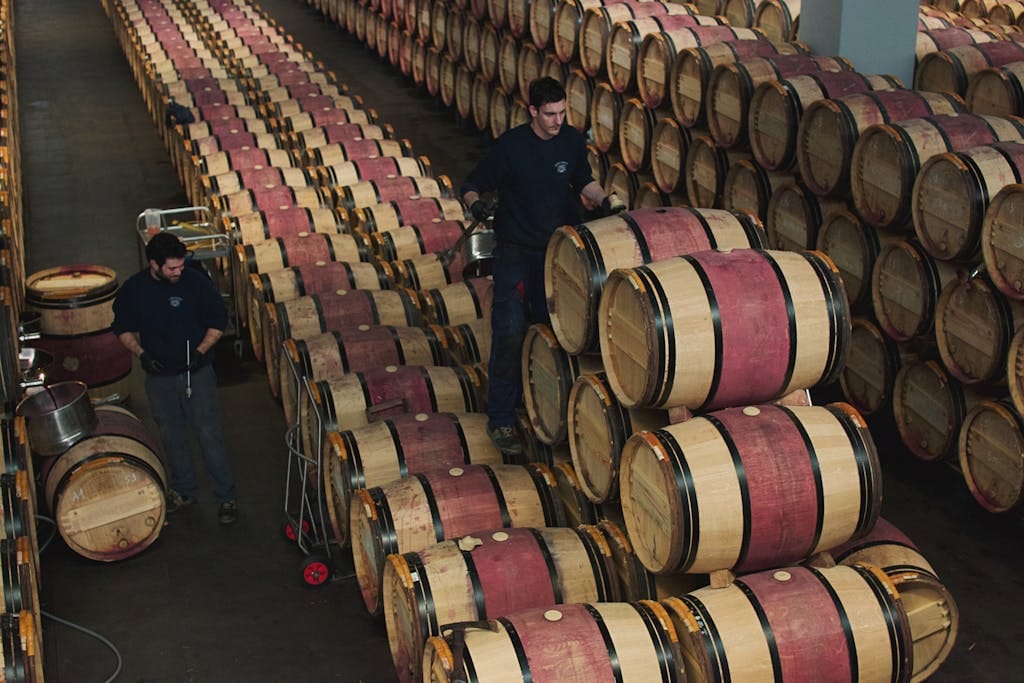
As wine collections can represent significant financial investments, implementing security measures is vital to protect against theft or damage. The first step in securing a wine cellar is ensuring that it is located in a locked area of the home or installing a robust door with secure locking mechanisms. Additionally, consider incorporating surveillance cameras or alarm systems that can monitor access points.
Access control is another important aspect; limiting entry to only trusted individuals can help safeguard your collection. This may involve installing keyless entry systems or biometric locks that require specific credentials for access. By combining physical security measures with technology, you can create a safe environment for your wine collection while still allowing easy access for personal enjoyment.
Lighting and Aesthetics
Lighting plays a crucial role in enhancing the overall ambiance of a wine cellar while also serving practical purposes. Proper lighting not only highlights the beauty of your collection but also ensures that bottles are easily identifiable when selecting a wine.However, it is essential to choose lighting options that do not emit heat or UV rays, as these can negatively impact wine quality over time.
LED lighting is often recommended due to its energy efficiency and low heat output. Consider incorporating dimmable fixtures that allow you to adjust brightness levels based on mood or occasion. Additionally, accent lighting can be used to draw attention to specific features within the cellar, such as artwork or unique shelving designs.
By thoughtfully integrating lighting into your design, you can create an inviting space that showcases your collection beautifully.
Maintenance and Monitoring
Regular maintenance and monitoring are essential for ensuring that your wine cellar remains in optimal condition over time. This includes routine checks on temperature and humidity levels, as well as inspecting storage systems for any signs of wear or damage. Keeping an eye on these factors will help prevent potential issues before they escalate into more significant problems.
In addition to environmental monitoring, it is also important to maintain cleanliness within the cellar. Dust accumulation on bottles or shelves can lead to unwanted odors or contamination. Establishing a regular cleaning schedule will help keep your space tidy and ensure that your collection remains in pristine condition.
By prioritizing maintenance and monitoring, you can enjoy peace of mind knowing that your wine cellar is well cared for and ready for any occasion.
FAQs
What are the best practices for creating a commercial wine cellar in San Francisco?
Some best practices for creating a commercial wine cellar in San Francisco include proper insulation, humidity control, temperature regulation, and efficient storage solutions.
What are the legal requirements for operating a commercial wine cellar in San Francisco?
To operate a commercial wine cellar in San Francisco, you will need to obtain the necessary permits and licenses, adhere to building codes and zoning regulations, and comply with alcohol beverage control laws.
What are the key considerations for location when creating a commercial wine cellar in San Francisco?
Key considerations for the location of a commercial wine cellar in San Francisco include accessibility, proximity to potential customers, climate control, and security measures.
What are the essential features of a commercial wine cellar in San Francisco?
Essential features of a commercial wine cellar in San Francisco include proper insulation, climate control systems, efficient storage solutions, security measures, and a well-designed tasting area.
What are the benefits of hiring a professional to create a commercial wine cellar in San Francisco?
Hiring a professional to create a commercial wine cellar in San Francisco can ensure that the cellar is designed and built to meet industry standards, comply with regulations, and maximize the potential for wine storage and sales.