
The Strategic Imperative of Material Selection in Oenological Environments
Within the rarefied domain of bespoke oenological infrastructure, the material specification for the cellar environment is not merely an aesthetic consideration but a critical determinant of long-term preservation and structural integrity. For the discerning collector in the San Francisco Bay Area—a region characterized by its unique microclimates and seismic vulnerabilities—the selection of an appropriate wood for racking systems transcends conventional design principles. It necessitates an understanding of material science, environmental engineering, and the specific challenges presented by conditions ranging from the marine layer ingress of the Richmond District to the fluctuating psychrometric profiles of Napa Valley.
The objective is to establish an internal microclimate conducive to the quiescent aging of fine wines, an endeavor often undermined by the inherent hygroscopicity of commonly specified timber products. This introductory discourse will articulate the preeminence of All-Heart Redwood as the gold standard, elucidating its empirical advantages through the lens of material science and practical application in the demanding Bay Area context. This is not a recommendation based on anecdotal preference, but rather on a rigorous analysis of material properties directly impacting cellar performance and longevity.
All-Heart Redwood: A Material Science Exposition
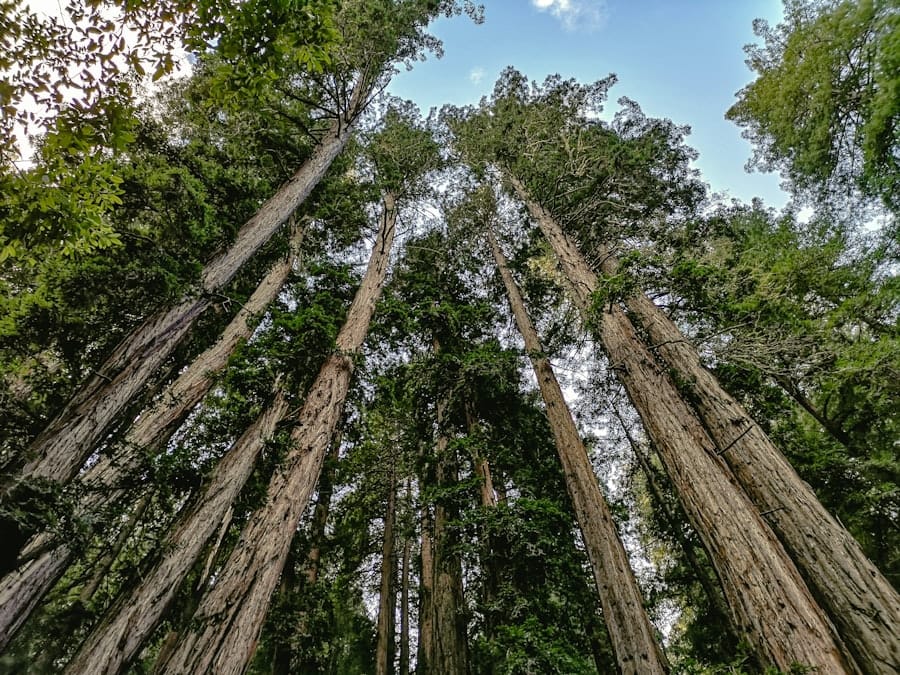
The distinction of All-Heart Redwood (Sequoia sempervirens) as the preferred material for high-performance wine cellars is rooted in its intrinsic cellular structure and chemical composition. Unlike sapwood, which exhibits higher porosity and lower extractive content, All-Heart Redwood is derived exclusively from the non-living central core of mature redwood trees, characterized by a uniform, deep reddish-brown coloration. This material is not merely ‘red’; its designation refers to a specifically demarcated anatomical region of the tree.
Extractive Chemistry and Fungicidal Resistance
The primary advantage of All-Heart Redwood lies in its concentrated phenolic compounds, particularly tannins and other polyphenols, which permeate the cell walls during the heartwood formation process. These extractives confer an unparalleled natural resistance to fungal decay and insect infestation. Unlike treated lumber, which relies on impregnated chemical agents that can off-gas volatile organic compounds (VOCs) potentially tainting sensitive corks, All-Heart Redwood’s defense mechanism is entirely organic and inert. This natural biocide eliminates the necessity for chemical treatments, thereby safeguarding the aromatic integrity of the stored vintage. For the connoisseur, the elimination of potential taint pathways from wood-borne chemicals is not a luxury, but a fundamental design mandate.
Dimensional Stability and Hygroscopic Equilibrium
The cellular structure of All-Heart Redwood, specifically its closed-cell parenchyma and longitudinal tracheids, contributes significantly to its superior dimensional stability. Wood, as a hygroscopic material, inherently absorbs and desorbs moisture from its ambient environment. This cyclical process, if uncontrolled, leads to volumetric changes—swelling, shrinking, warping, and checking. These phenomena can compromise the structural integrity of a racking system, leading to instability, bottle movement, and ultimately, a breakdown of the designed storage matrix.
All-Heart Redwood exhibits a remarkably low tangential and radial shrinkage coefficient compared to other commonly specified woods like oak or maple. This characteristic is critical in maintaining the precise clearances required for secure bottle cradling while preventing stresses that can lead to joinery failure over time. In the frequently variable ambient conditions of the Bay Area, where interior environments can fluctuate despite sophisticated HVAC systems, this inherent stability provides a vital damping mechanism against environmentally induced stresses. The material’s capacity to reach a stable moisture content with minimal volumetric change ensures that the racking system remains true and robust across decades of service.
Thermal Damping and Insulative Properties
While often overlooked, the thermal properties of racking materials play a subtle yet significant role in maintaining the thermal equilibrium of a wine cellar. All-Heart Redwood possesses a relatively low coefficient of thermal conductivity. While air is the primary insulator, the wooden racking itself acts as a secondary buffer against localized temperature fluctuations. In a controlled cellar environment, every element contributes to minimizing thermal gradients. Bottles cradled directly within redwood racking experience a minor degree of thermal damping, protecting them from the instantaneous thermal shocks that can occur from convection currents or transient air movements. This contribution, though quantitatively small, is part of a holistic design strategy to achieve optimal thermal stability.
Engineered Resilience for Bay Area Dynamics
The San Francisco Bay Area presents a unique confluence of environmental challenges, necessitating materials and construction methodologies that transcend standard applications. Seismic activity, coupled with the pervasive marine layer effect, dictates a specialized approach to cellar design and material selection.
Seismic Integrity and Structural Performance
The seismic susceptibility of the Bay Area places an undeniable priority on structural integrity. Wine cellars, often housing significant investments on multiple tiers, require a racking system that can withstand both lateral and vertical accelerations without catastrophic failure. All-Heart Redwood, with its inherent strength-to-weight ratio and natural resilience, contributes to a structurally sound system. When properly engineered and joined using appropriate fasteners and techniques (e.g., mortise and tenon, or robust dado joints), redwood racking exhibits sufficient ductility to absorb kinetic energy during seismic events, minimizing the risk of collapse or dislodgement of bottles. This is not merely about preventing physical damage; it is about protecting an asset class that is often irreplaceable. The inherent fibrous nature of redwood provides a degree of flex and resilience that brittle materials lack, making it a prudent choice in a seismically active region.
Mitigating Marine Layer Ingress and Humidity Challenges
The coastal influence across much of the Bay Area, particularly in districts like the Outer Richmond and Sunset, introduces elevated levels of ambient humidity and the risk of salt-laden air ingress. While the primary defense against these elements is a robust vapor barrier and precisely controlled HVAC system, the choice of interior materials acts as a secondary line of defense against potential system compromises. All-Heart Redwood’s natural resistance to fungal growth becomes critically important in scenarios where humidity levels might temporarily exceed optimal parameters due to mechanical failure or envelope breaches. The material does not readily serve as a substrate for mold or mildew, thus preventing biological degradation and the associated musty odors that can compromise the cellar’s sensory environment. For properties in proximity to the Pacific, this innate resistance offers a crucial layer of passive protection.
Aesthetic Integration and Enduring Value
Beyond its technical specifications, All-Heart Redwood offers an aesthetic quality that resonates with the sophisticated tastes endemic to the Bay Area’s high-net-worth demographic and the architectural vernacular of Napa Valley estates.
Aesthetic Harmony and Patina Development
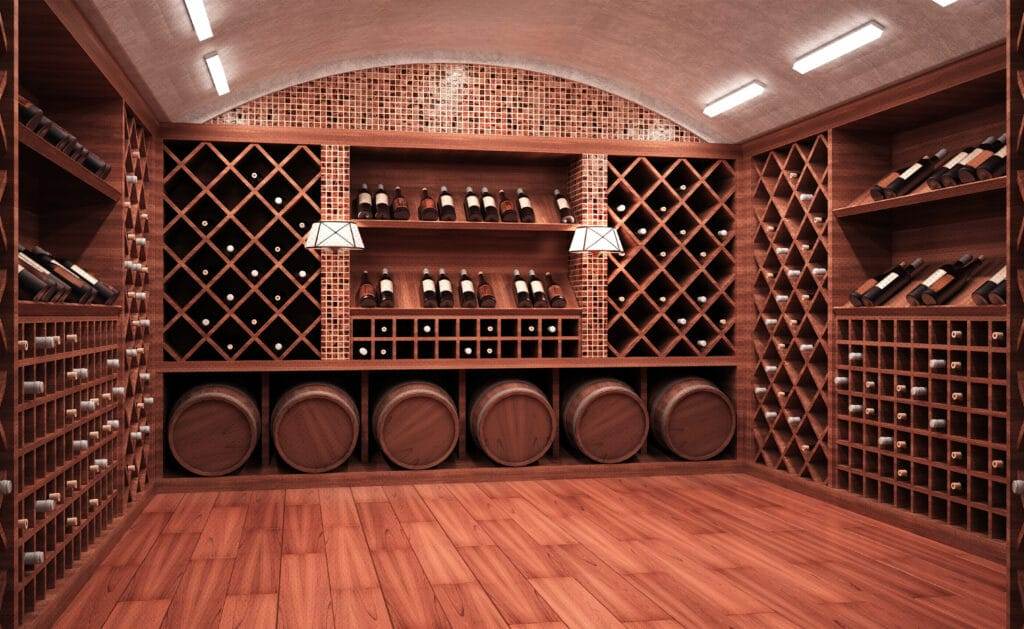
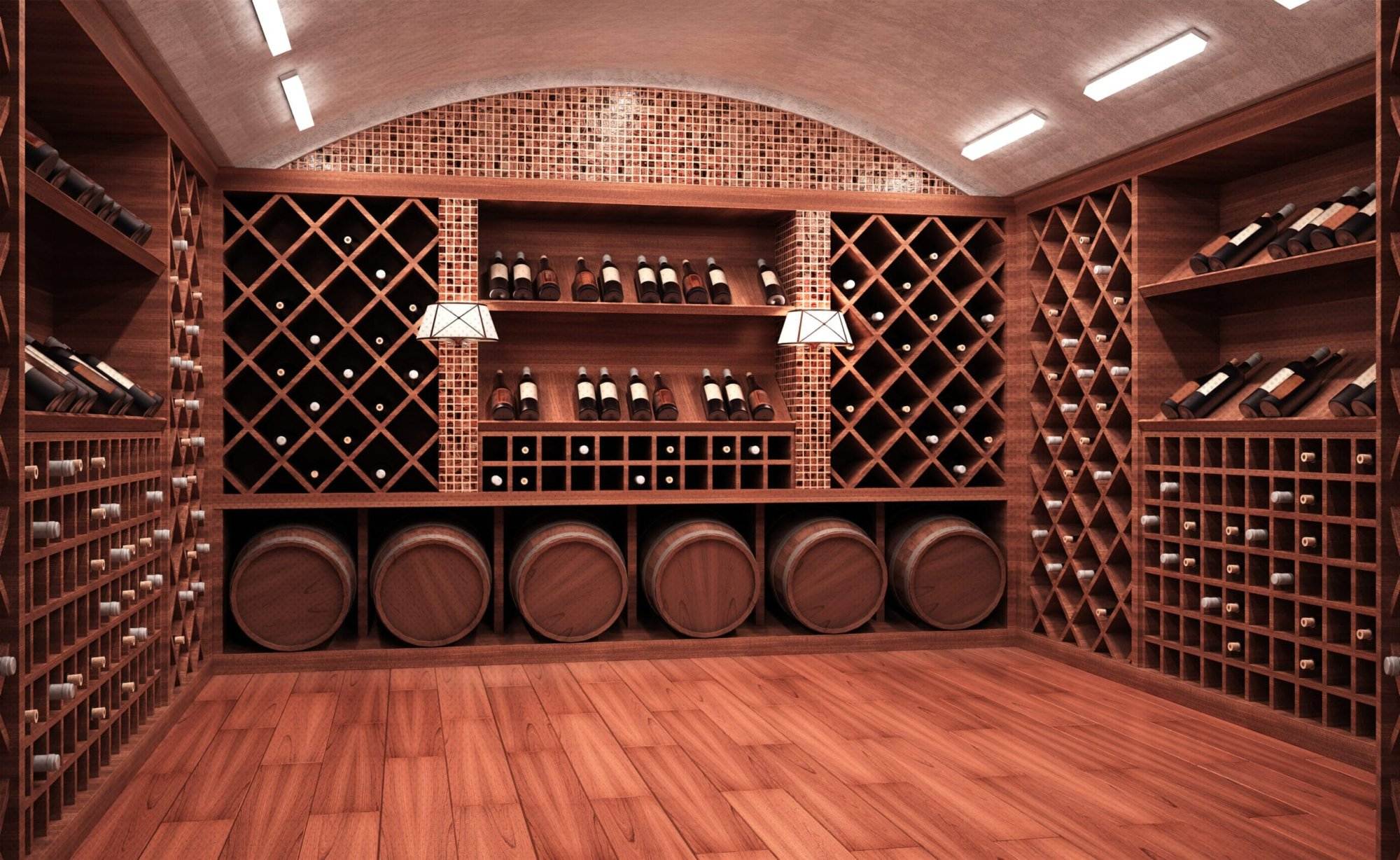
The rich, deep amber-red hue of All-Heart Redwood provides a visually appealing warmth that complements the typical stone, steel, and glass materials often found in custom Bay Area residences. Its fine, straight grain and minimal knot content present a clean, uninterrupted surface. Over time, particularly when exposed to minimal light and stable humidity, redwood develops a subtle, distinguished patina that enhances its inherent beauty. This is a material that ages gracefully, mirroring the very wines it houses. This natural elegance ensures that the cellar remains an integral, aesthetically congruent extension of the bespoke interior design, rather than a mere functional storage space. The organic variation in color and grain ensures that each installation is unique yet consistently sophisticated.
Lifecycle Cost and Sustainable Sourcing
The initial investment in All-Heart Redwood, while higher than commodity lumber, represents a prudent allocation of resources when considered over the lifecycle of the cellar. Its unparalleled durability, resistance to degradation, and minimal maintenance requirements translate to a lower total cost of ownership. The longevity of a redwood racking system, often exceeding the lifetime of the property itself, means that costly replacements or extensive repairs are rarely necessary.
Furthermore, responsible sourcing of All-Heart Redwood from sustainably managed forests addresses the growing imperative for environmentally conscious construction practices. Reputable suppliers can provide certifications (e.g., FSC) affirming that the material has been harvested in a socially responsible and ecologically sound manner. For clients who value both performance and ethical stewardship, this transparency offers an additional layer of assurance. This is not merely about specifying a material; it is about making an investment in enduring quality and sustainability.
Installation and Craftsmanship: The Concluding Imperative
The superlative properties of All-Heart Redwood are fully realized only through meticulous design and expert craftsmanship. The design phase must account for precise bottle spacing, structural loading, airflow dynamics, and integration with the overall cellar envelope and mechanical systems. The installation phase demands experienced joiners and carpenters who understand the specific working properties of redwood—its natural softness, straight grain, and tendency to split if improperly fastened.
Joints must be robust, often incorporating traditional joinery techniques such as mortise and tenon or robust dado and rabbet profiles, complemented by appropriate fasteners. Finishes, if applied, must be inert and non-VOC compliant to preclude any potential for off-gassing. For the discerning client, the integration of All-Heart Redwood is a testament to an uncompromising commitment to long-term preservation, aesthetic excellence, and the inherent value of their oenological collection. It is the selection that articulates knowledge of material science, environmental engineering, and the enduring art of fine wine preservation.
The choice of All-Heart Redwood is not a mere design preference; it is a strategic architectural decision underpinned by empirical data and decades of proven performance in the most demanding environments. For the Bay Area’s most significant wine collections, it remains the unequivocal standard.
FAQs
What is All-Heart Redwood?
All-Heart Redwood refers to the dense, inner portion of the redwood tree’s heartwood, known for its durability, resistance to decay, and rich reddish color. It is highly valued in construction and woodworking, especially in regions with varying humidity levels like California.
Why is All-Heart Redwood considered the gold standard for California humidity?
All-Heart Redwood is prized in California because it naturally resists moisture absorption and decay, making it ideal for the state’s diverse and often humid climate. Its stability and resistance to warping or cracking under humidity changes make it a preferred material for outdoor and indoor applications.
How does All-Heart Redwood perform compared to other woods in humid environments?
Compared to many other woods, All-Heart Redwood has superior resistance to moisture, insects, and fungal decay. This makes it more durable and longer-lasting in humid environments, reducing maintenance needs and preserving structural integrity over time.
What are the common uses of All-Heart Redwood in California?
In California, All-Heart Redwood is commonly used for decking, siding, outdoor furniture, fencing, and interior paneling. Its natural resistance to humidity and decay makes it suitable for both exterior and interior applications where moisture exposure is a concern.
Is All-Heart Redwood environmentally sustainable?
Yes, All-Heart Redwood can be sustainably harvested from managed forests. Redwood trees grow relatively quickly, and responsible forestry practices ensure regeneration and minimal environmental impact. Additionally, its durability means products made from All-Heart Redwood often have a longer lifespan, reducing the need for frequent replacement.