
The pursuit of exceptional long-term wine preservation is fundamentally an exercise in advanced environmental control. For the discerning collector and the architect tasked with safeguarding a valuable liquid asset, understanding the nuanced interplay of atmospheric dynamics within a wine cellar is paramount. This brief delves into a critical, yet often overlooked, aspect of cellar design: achieving homogenous aging through the strategic management of airflow. Specifically, we will dissect the distinct operational principles of laminar flow versus turbulent flow and their profound implications for the organoleptic stability of your collection.
The aging of wine is a complex biochemical process. Over time, molecules interact, contributing to the development of tertiary aromas and flavors, the softening of tannins, and the integration of acidity. For this intricate transformation to occur optimally, the wine must exist within an environment of unwavering stability. Fluctuations in temperature and humidity are universally recognized as detrimental, but the subtle, yet pervasive, influence of air movement is equally consequential.
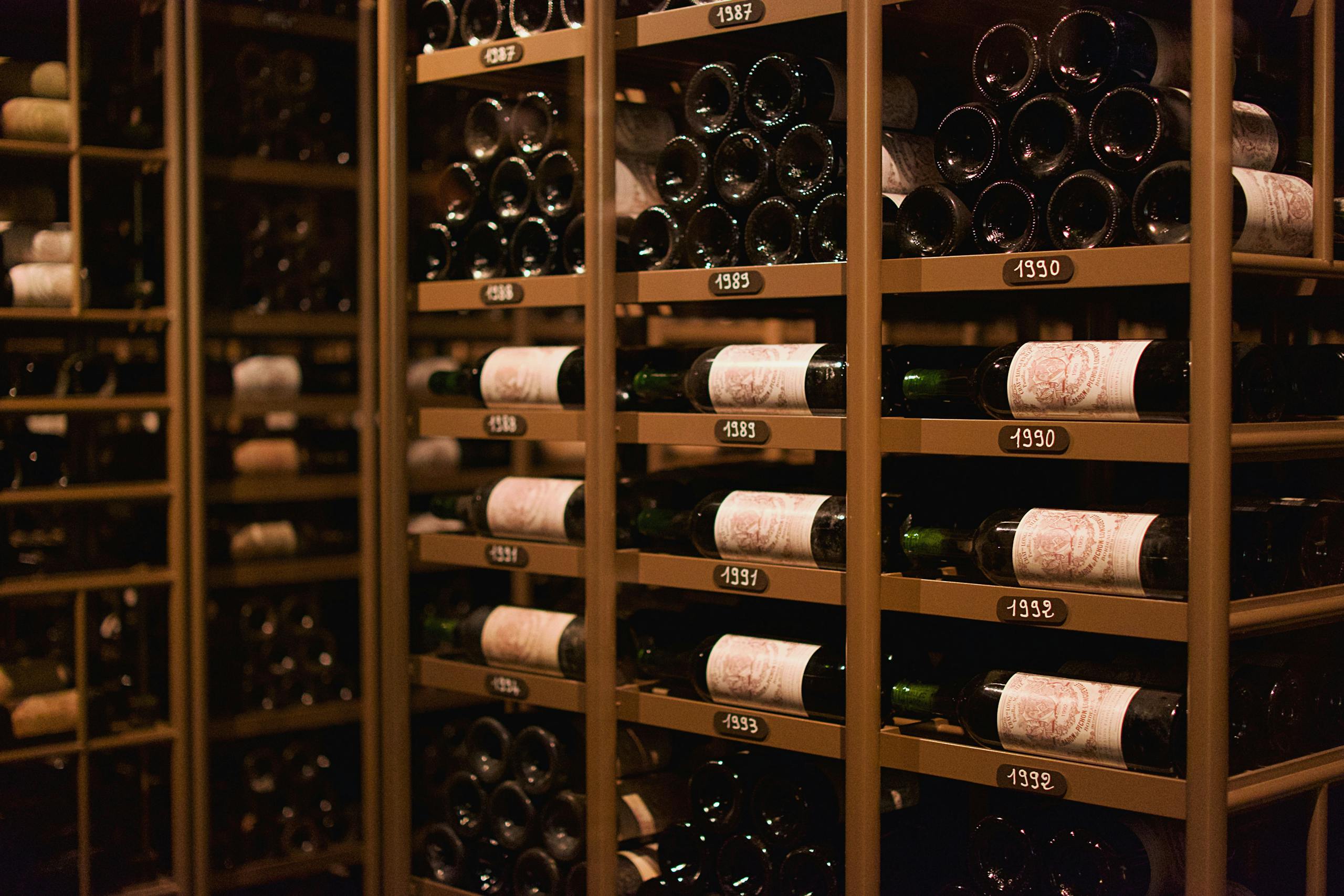
The Undulating Nature of Time and Wine
Consider time as a river. For a perfect wine to navigate its course towards its zenith, the current must be smooth and consistent. Any disruption, any eddy or surge, can prematurely agitate the delicate sediments of its development, leading to an uneven or compromised final state. Homogenous aging ensures that every bottle within a collection experiences this journey under precisely the same, controlled conditions. This uniformity is not merely an aesthetic ideal; it is a scientific necessity for maximizing the potential of each vintage.
Beyond Static Equilibrium: The Dynamics of Preservation
Achieving static equilibrium in a cellar – maintaining unwavering temperature and humidity – is the baseline. However, the environment is not truly static. Imperceptible air currents, driven by temperature differentials and mechanical systems, are in constant motion. Understanding these dynamics allows us to actively engineer an environment that promotes consistency at the microscopic level, preventing localized deviations that can fingerprint individual bottles with undesirable characteristics.
Laminar Flow: The Principle of Uninterrupted Permeability
Laminar flow, in the context of fluid dynamics, describes a state where a fluid moves in parallel layers, with no significant mixing between these layers. Imagine a perfectly still lake; the water flows smoothly, unperturbed. In a wine cellar designed for laminar flow, the air circulates in a highly predictable, unidirectional, and layered pattern.
The Physics of Stratification
This unidirectional movement is typically achieved through a carefully calculated system of air intake and exhaust, often employing variable speed fans operating at low RPM. Air is introduced at a controlled rate, usually at the base of the cellar, and gently propelled towards the ceiling or a designated exhaust point. The velocity is deliberately kept low, typically below 0.5 meters per second, to prevent the disruption of these parallel layers. The key is that the air molecules travel in a straight line, or a smooth curve, without crossing paths with adjacent layers of air that might have slightly different temperature or humidity profiles.
Quantifying the Ideal
The Reynolds number ($Re$) is a dimensionless quantity used to predict flow patterns in different fluid flow situations. In the context of cellar airflow, specifically for laminar flow, we aim for a low Reynolds number, usually well below 2300. This mathematical indicator confirms that viscous forces are dominant over inertial forces, allowing for smooth, predictable, and uniform movement. For architects and builders, this translates to precise calculations for duct sizing, fan capacity, and diffuser placement.
The Organoleptic Advantage of Smoothness
Laminar flow offers several critical advantages for organoleptic stability. Firstly, it promotes an exceptionally uniform temperature gradient across the entire cellar volume. This eliminates microclimates – localized areas that are warmer or colder than the rest of the space – which can lead to premature aging or uneven maturation in bottles located in these compromised zones. Secondly, it ensures consistent humidity distribution. Dry spots can accelerate cork desiccation, leading to oxidation, while excessively humid areas can foster mold growth. Laminar flow mitigates these risks by ensuring that the atmospheric composition is homogenous. Furthermore, the gentle, unbroken movement of air ensures that any potential contaminants or VOCs (Volatile Organic Compounds) released from building materials or packaging are efficiently and uniformly swept away, preventing localized saturation and subsequent absorption by the wine.
Turbulent Flow: The Challenge of Unpredictable Encounters
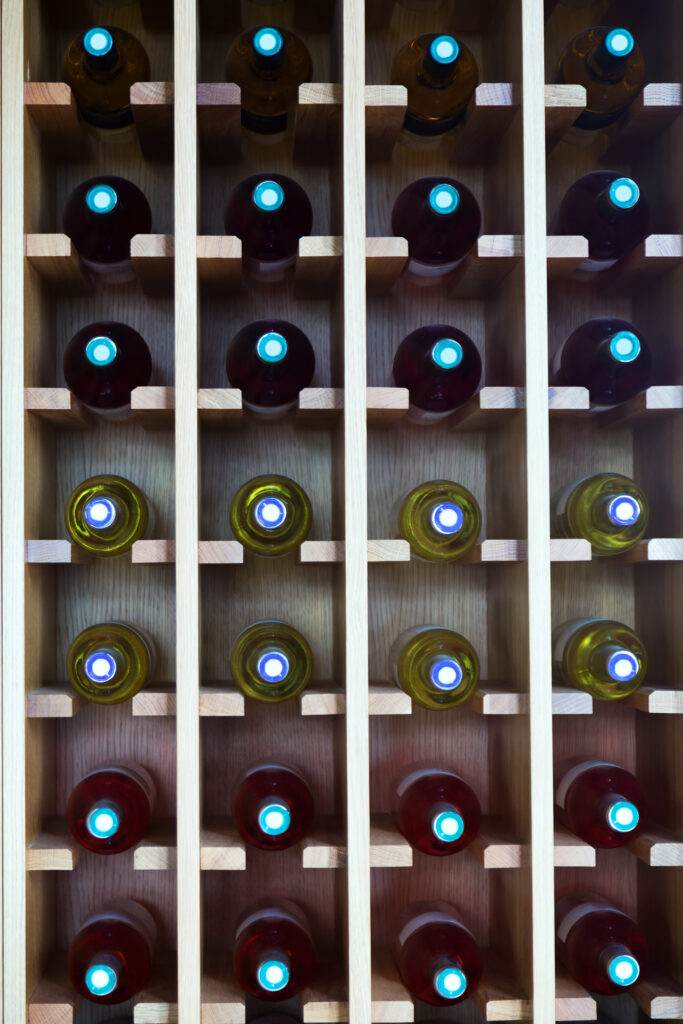
Turbulent flow, in stark contrast to laminar flow, is characterized by chaotic, irregular fluid motion, with significant mixing between fluid layers. Imagine a rapidly flowing river with rapids; the water churns and eddies unpredictably. In a wine cellar, turbulent airflow results from higher velocities, irregular obstacles, and insufficient system control.
The Breakdown of Order
Turbulence occurs when inertial forces dominate over viscous forces, leading to eddies, vortices, and unpredictable swirls in the air. Scientifically, this transition typically begins when the Reynolds number exceeds 4000. In a cellar environment, this can be triggered by improperly sized or positioned ductwork, excessively powerful fans, or inadequate baffling. The consequence is a breakdown of order, where air parcels from different zones with varying temperature and humidity intersect and mix randomly.
The Aerodynamic Disruption
Think of the air as a protective blanket around your wine. In a turbulent system, this blanket is constantly being agitated and torn. This agitation can manifest as:
- Temperature Oscillations: As air parcels from warmer and cooler regions collide, even if the average temperature remains within acceptable parameters, individual bottles can experience cyclical micro-fluctuations. These fluctuations can stress the wine, impacting its ability to develop gracefully. Imagine a pendulum swinging back and forth; each swing represents a micro-temperature perturbation.
- Humidity Inconsistencies: Turbulent eddies can create localized pockets of higher and lower humidity. Bottles in dry pockets are at risk of cork deterioration, while those in humid pockets face potential mold growth on labels and corks.
- Accelerated Contaminant Dispersion: While some airflow is necessary to remove VOCs, turbulent flow can, paradoxically, lead to the uneven and potentially excessive dispersion of these compounds. If the system is not meticulously designed to filter and exhaust effectively, the increased air movement can simply relocate contaminants to different areas, rather than efficiently removing them.
The Collateral Damage to Complexity
The wines stored in a cellar experiencing turbulent airflow are subjected to an environment that is essentially in a state of perpetual, albeit minor, “shock.” The delicate molecular processes of aging are disrupted. Instead of a smooth, gradual evolution, the wine may undergo erratic development, leading to a less nuanced and potentially flawed final profile. This is particularly detrimental for wines intended for long-term aging, where consistency is the bedrock of their eventual magnificence.
Engineering for Homogeneity: The Architect’s Role and the Technician’s Precision
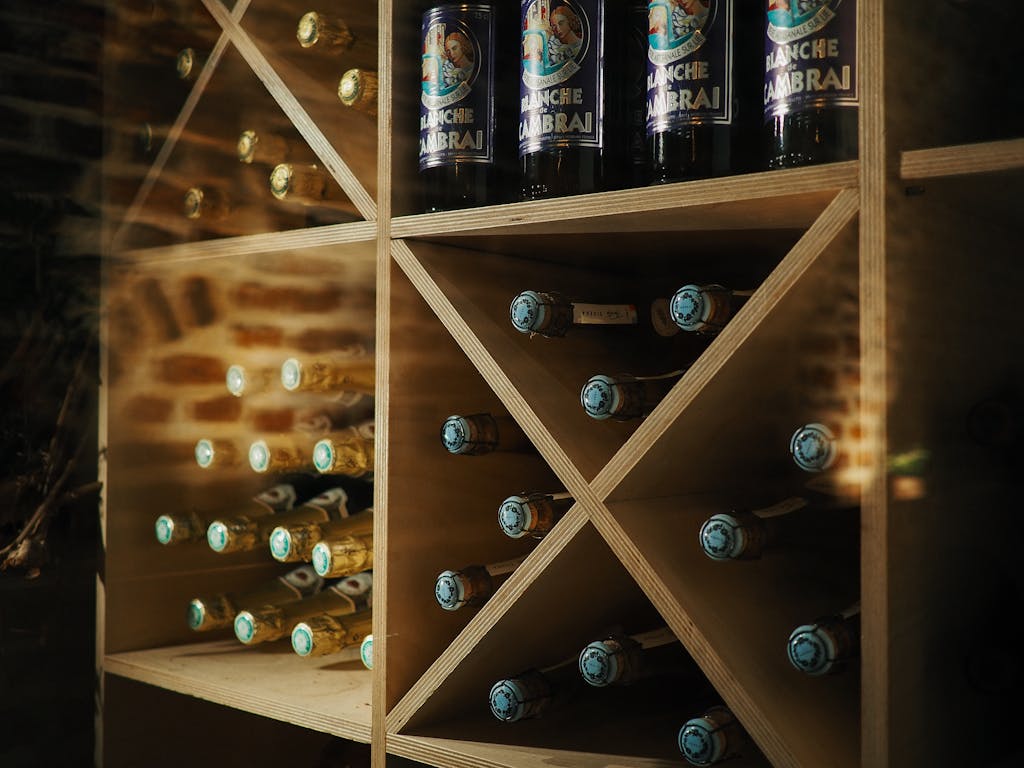
The successful implementation of a homogenous aging environment hinges on a collaborative effort between the architectural vision and the technical execution. This is where the “elite-level” distinction is made. Our approach is not merely about housing wine; it is about creating a precisely controlled ecosystem.
The Blueprint of Airflow: Strategic Design
The architectural design phase is the critical juncture for establishing the framework for homogenous airflow. This involves:
- Dedicated Air Circulation Zones: Designing distinct intake and exhaust points that encourage unidirectional flow, minimizing dead spots and recirculation. This requires careful consideration of the cellar’s geometry and dimensions.
- Material Selection and Sealing: The inherent permeability of building materials and the integrity of the seals are fundamental. Permeable materials can introduce uncontrolled moisture exchange, while gaps and cracks in the construction can disrupt airflow patterns and create uncontrolled ingress or egress of air. Rigorous sealing of all penetrations (electrical, plumbing) is non-negotiable.
- Acoustic Considerations: While not directly airflow physics, the sound generated by air movement systems must be managed to avoid creating localized vibrations that can subtly disturb the sediment stability in bottles. Low-velocity, high-efficiency fans are often quieter and promote smoother airflow.
The Technical Mastery of Environmental Governance
Once the architectural framework is established, the technical systems must be meticulously engineered to uphold the principles of homogenous aging. This involves:
- Precision Fan Selection and Control: Utilizing low-speed, high-efficiency centrifugal fans with variable speed drives (VSDs) is crucial. VSDs allow for fine-tuning of air velocity to maintain laminar flow ($Re < 2300$), ensuring that the system can adapt to minor environmental shifts without succumbing to turbulence.
- Optimized Ductwork Design: The diameter, length, and routing of ductwork must be calculated to maintain laminar flow characteristics. Transitions and bends should be minimized and designed with large radii to avoid creating turbulence. The placement of diffusers and grilles is equally critical; they must be designed to gently introduce and extract air without creating localized high-velocity zones or disruptive jet streams.
- Sensor Placement and Calibration: A network of highly accurate temperature and humidity sensors strategically placed throughout the cellar is essential. These sensors, coupled with sophisticated control systems, provide real-time data to adjust fan speeds and air volumes, thereby maintaining the desired atmospheric conditions and preventing the onset of turbulence. The calibration of these sensors should be performed with meticulous regularity.
The Physics of Permeability: Cork, Glass, and the Air Interface
The integrity of the bottle’s seal is paramount. The cork, a natural material, is inherently permeable to gases and moisture. This permeability is essential for slow, controlled oxidation during aging, but it also makes the wine vulnerable to its immediate environment.
The Cork as a Molecular Gatekeeper
The cork’s porous structure allows for a slow diffusion of gases. Oxygen molecules from the atmosphere can, over extended periods, permeate the cork, facilitating the gradual oxidative evolution of the wine. Conversely, volatile aroma compounds from the wine can also slowly escape. This delicate exchange is highly sensitive to the surrounding atmosphere.
The Impact of Atmospheric Gradients
In a turbulent cellar, localized variations in temperature and humidity can create pressure differentials across the cork. For example, a warmer, drier spot might encourage more rapid moisture loss from the cork and wine, while a cooler, more humid spot could potentially lead to undesirable fungal growth or even a slight ingress of ambient air if the cork becomes compromised. Laminar flow, by maintaining a stable and homogenous atmospheric composition, ensures that these pressure gradients are minimized, allowing the cork to perform its function as a consistent molecular gatekeeper.
The Organoleptic Evidence: A Case for Controlled Currents
The ultimate arbiter of successful cellar design is the condition of the wine itself. While visual cues like label integrity and apparent clarity are important, the true test lies in the wine’s organoleptic profile.
The Signature of Stability: A Symphony of Nuance
Wines aged in a laminar flow environment will, over decades, exhibit a more profound and consistent expression of their vintage. The tertiary aromas will unfurl with a nuanced complexity, the tannins will soften gracefully, and the overall integration will be harmonious. There will be a distinct lack of discordant notes – no premature oxidation, no off-odors indicative of environmental stress. The wine will speak of its origin and its journey with clarity and elegance.
The Shadow of Disruption: The Echoes of Imbalance
Conversely, wines subjected to turbulent airflow may show signs of imbalance. They might exhibit premature browning, a loss of fresh fruit character, or the development of unpleasant savory or metallic notes. The aging process will have been uneven, with some bottles developing faster or differently than others. This is not the graceful evolution one seeks from a valuable liquid asset; it is evidence of an environment that has failed to provide the necessary rigor of control. For the discerning collector and the professional responsible for their care, the organoleptic evidence is the irrefutable testament to the efficacy of the chosen environmental governance strategy. Ensuring homogenous aging through the strategic deployment of laminar flow is not an extravagance; it is an architectural and technical imperative for the preservation and elevation of what can be considered a significant liquid asset class.
FAQs
What is laminar flow in the context of air circulation?
Laminar flow refers to a smooth, consistent airflow where air moves in parallel layers with minimal mixing or disruption. This type of flow is characterized by low velocity and steady movement, which helps maintain uniform conditions in a controlled environment.
How does turbulence differ from laminar flow?
Turbulence involves chaotic, irregular air movement with eddies and swirls that cause mixing of air layers. Unlike laminar flow, turbulence increases air velocity fluctuations and can lead to uneven distribution of temperature, humidity, or other environmental factors.
Why is optimizing air circulation important for homogenous aging?
Optimizing air circulation ensures that environmental conditions such as temperature and humidity are evenly distributed throughout the aging space. This uniformity is crucial for consistent aging processes, preventing localized variations that could affect product quality or maturation.
Which airflow type is generally preferred for aging environments, laminar flow or turbulence?
Laminar flow is generally preferred for aging environments because it promotes uniform air distribution and minimizes fluctuations. This helps achieve consistent aging conditions, whereas turbulence can create uneven microclimates that may negatively impact the aging process.
Can turbulence ever be beneficial in air circulation for aging?
While turbulence is typically avoided in aging environments due to its potential to cause uneven conditions, controlled turbulence can sometimes be used to enhance mixing in larger spaces or to prevent stagnation. However, it must be carefully managed to avoid compromising homogeneity.