
The meticulous stewardship of Champagne represents a convergence of profound oenological understanding and stringent environmental control. For the discerning collector, these effervescent treasures are not merely beverages, but rather demonstrable assets whose long-term appreciation is inextricably linked to their preservation. At Wine Cellars San Francisco, we approach the design and implementation of Champagne storage not as a matter of preference, but as a sophisticated engineering challenge, one that acknowledges the unique physiological demands of this noble varietal and the imperative to maintain its organoleptic integrity. This document delineates the critical environmental parameters and architectural considerations essential for the optimal storage of Champagne, ensuring its enduring quality and maximizing its value as a liquid asset.
The very essence of Champagne’s longevity and character is dictated by its susceptibility to thermal fluctuations. Unlike still wines, the dissolved carbon dioxide within Champagne introduces a unique set of challenges. Elevated temperatures accelerate the aging process, not uniformly, but in a manner that can paradoxically lead to premature oxidation and the degradation of delicate aromatic compounds. Conversely, excessively low temperatures can impede the development of tertiary aromas and, in extreme cases, risk the integrity of cork and capsule, leading to potential leakage.
The Goldilocks Zone: Defining the Optimal Temperature Range
The scientifically validated optimal temperature range for long-term Champagne storage lies between 45°F and 55°F (7°C and 13°C). Within this window, chemical reactions associated with aging proceed at a controlled and predictable pace. Think of this range as the precisely calibrated incubator for a developing masterpiece. Fluctuations outside this band, even for short durations, can be analogous to abruptly altering the atmospheric conditions of a sensitive laboratory. Consistent maintenance of this temperature is paramount. Intermittent cooling cycles, while seemingly innocuous, can induce microscopic stresses within the glass bottle and its contents, akin to the repeated expansion and contraction of materials under thermal duress.
The Physics of Thermal Inertia: Why Mass Matters
The thermal mass of a wine cellar is a critical, often overlooked, physical characteristic. A cellar with substantial thermal mass, achieved through dense insulation materials and appropriately weighted structural components, acts as a buffer against external environmental shifts. This inertia ensures that temperature remains more constant over time, requiring less energy expenditure from the cooling system and minimizing the impact of diurnal temperature swings. Imagine a well-insulated building versus a lightweight tent in a desert; the former maintains a stable internal climate due to its inherent mass and resistance to external forces. Similarly, the architectural design of the cellar must prioritize the incorporation of materials that contribute to this vital thermal flywheel effect, thus safeguarding the investment.
The Engineering of Constant Climate: Evaporative Cooling and Vapor Pressure
The control of humidity is intrinsically linked to temperature management. For Champagne, maintaining a relative humidity between 50% and 70% is vital. Below this range, corks can desiccate, compromising their seal and allowing precious carbon dioxide to escape, leading to a loss of effervescence and the ingress of oxygen. Above 70%, the risk of mold growth on labels and corks increases, impacting presentation and potentially the wine’s integrity. Modern cellar systems employ sophisticated humidification and dehumidification technologies that work in concert with the cooling system. The interplay of vapor pressure within the cellar and the potential for heat exchange during cooling cycles necessitates a precise engineering approach to prevent condensation and maintain the desired humidity levels without creating an overly damp environment.
The Silent Guardian: Humidity Control as a Microclimate Stabilizer
While temperature is the primary thermodynamic driver, humidity acts as a crucial microclimate stabilizer for Champagne. The delicate balance between liquid and gas within a bottle is significantly influenced by the external atmospheric conditions.
The Desiccation Dilemma: The Peril of Low Humidity
The primary concern with low humidity is the impact on the cork. Cork is a natural, porous material. In an environment with insufficient moisture, corks will gradually dehydrate, becoming brittle and less effective as a seal. This compromised seal allows for two principal issues: the slow but steady escape of the dissolved CO2 that defines Champagne’s effervescence, and the potential ingress of oxygen, the archenemy of all aged wines. The gradual loss of fizz is not a subtle aesthetic issue; it directly impacts the wine’s structural integrity and its perceived freshness. Furthermore, oxygenation, even at low levels, initiates oxidative pathways that prematurely age the wine, muting its complex aromatics and developing undesirable Sherry-like notes.
The Mold Menace: The Risks of Excessive Humidity
Conversely, excessively high humidity presents its own set of challenges, primarily concerning surface integrity and the potential for microbial growth. While the wine itself is largely protected within the bottle, labels can become damaged, and corks can develop mold on their exterior. While surface mold on a cork may not immediately compromise the seal, it is an indicator of an imbalanced microclimate. Furthermore, aesthetic degradation of labels can significantly impact the resale value of collectible Champagne. The long-term presence of high humidity can also encourage the growth of other undesirable microorganisms on storage infrastructure, which, while not directly harming the wine, contribute to an unhealthy storage environment and can be aesthetically displeasing.
The Engineering of Balance: Active Humidification and Dehumidification Systems
Achieving and maintaining the optimal humidity range requires active environmental control. Unlike passive systems that rely solely on the environment’s natural moisture content, a professionally designed Champagne cellar incorporates advanced humidification and dehumidification technologies. These systems continuously monitor humidity levels and make precise adjustments. For humidification, atomized water vapor is introduced, ensuring an even distribution without creating pools of water. For dehumidification, the cooling system itself can be leveraged, capturing moisture from the air as it cools, or dedicated dehumidification units can be employed. The seamless integration of these systems is critical to prevent the cyclical overcorrection that can destabilize the microclimate.
The Unseen Forces: Air Circulation and its Aerodynamic Impact on Bottle Integrity
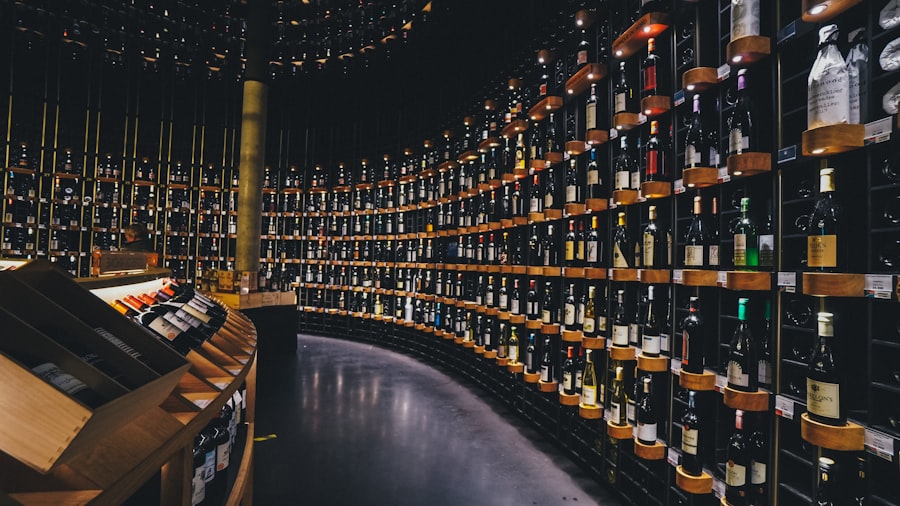
The notion of still air being ideal for wine storage is a common misconception. In the context of Champagne, a controlled and consistent airflow plays a vital role in maintaining a stable microclimate and preventing localized variations in temperature and humidity.
The Thermodynamics of Stratification: Why Air Movement is Crucial
Without adequate air circulation, temperature and humidity gradients can form within the cellar. Warmer, moister air will naturally rise, while cooler, drier air will settle. This stratification can lead to uneven aging of bottles stored at different levels. Furthermore, stagnant air can allow for the accumulation of volatile organic compounds (VOCs) from the surrounding environment or even from the cellar materials themselves. These VOCs, though present in minute quantities, can, over extended periods, subtly influence the aromatics of the wine, a phenomenon analogous to a subtle perfume pervading a living space.
The Aerodynamics of Pressure: Mitigating Condensation and Ensuring Uniformity
A properly engineered air circulation system ensures a gentle, consistent movement of air throughout the cellar. This movement prevents the formation of microclimates within the cellar and aids in the uniform distribution of temperature and humidity. Consider the subtle but important air currents that influence the distribution of scent in a well-designed museum exhibition. The goal is to create an environment where the air breathes, constantly refreshing and rebalancing. This airflow also plays a role in mitigating condensation. When cool, moist air comes into contact with a surface warmer than the dew point, condensation occurs. The constant movement of air disrupts this process, promoting more efficient evaporation and preventing the localized moisture buildup that can lead to mold or damage labels.
The Engineering of Subtle Diffusion: Fan Technology and Airflow Dynamics
The selection and placement of air circulation fans are critical design elements. We employ whisper-quiet, variable-speed fans engineered for gentle, pervasive airflow. The objective is not to create a wind tunnel, but rather a subtle diffusion of air that permeates the entire storage volume. Systems are designed to avoid direct drafts on bottles, which can lead to localized temperature fluctuations. The airflow patterns are calculated to ensure that every bottle, regardless of its position, experiences an environment that is aerodynamically stable and conducive to long-term preservation.
Light: The Ultraviolet Adversary and the Imperative of Darkness
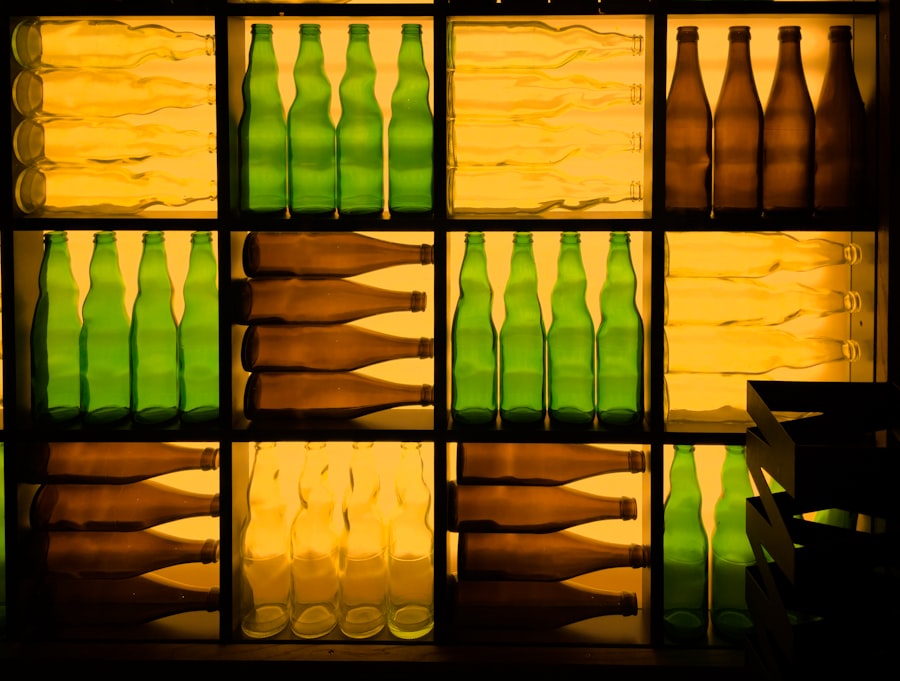
Light, particularly ultraviolet (UV) radiation, is a detrimental factor in the long-term storage of any wine, and Champagne is no exception. The complex molecules responsible for a wine’s color and aroma are susceptible to photochemical degradation initiated by light exposure.
The Photodegradation Pathway: How UV Wreaks Havoc
UV light, present in both natural sunlight and many artificial lighting sources, possesses sufficient energy to break chemical bonds within the wine. This photodegradation process leads to the formation of undesirable compounds that result in an off-putting aroma, often described as “lightstruck” or “ripeness.” This phenomenon is particularly pronounced in white wines and Champagne due to the relative transparency of their glass. The delicate aromatic profile of Champagne, with its intricate interplay of fruit, yeast, and mineral notes, is exceptionally vulnerable to this form of degradation.
The Paradox of Illumination: Balancing Aesthetics and Preservation
While the necessity of darkness for preservation is absolute, the collector’s desire for visual access to their prized collection cannot be ignored. This presents a design challenge that requires a sophisticated technical solution. The goal is to provide controlled illumination that enhances the display of the collection without compromising its integrity.
The Engineering of Absolute Darkness: Shielding and Light Control
The foundational principle of any elite Champagne storage solution is absolute protection from UV light. This is achieved through multi-layered insulation that effectively blocks all external light. When illumination is desired, it is exclusively provided by low-UV emitting LED lighting systems. These systems are strategically placed and typically operate on timers, illuminating the cellar only during periods of access. Furthermore, access points, such as doors, are designed with multiple seals and lightproof mechanisms to prevent any light ingress. The architectural design incorporates elements that ensure the cellar is effectively a light-tight vault, where illumination is a controlled and deliberate intervention, not an ambient condition.
The Vibrational Substrate: Insulating Against Disruptive Frequencies
The perception of vibration as a threat to wine aging is often sensationalized, but there is a scientific basis for concern, particularly for highly sensitive beverages like Champagne. Mechanical vibrations, especially at specific frequencies, can potentially disrupt the delicate molecular structures within the wine, accelerating certain chemical reactions and affecting its long-term stability.
The Physics of Agitation: How Micro-Vibrations Impact Wine Structure
While it is unlikely that everyday vibrations from foot traffic or distant construction will significantly damage a well-aged bottle of Champagne, sustained or intense mechanical vibrations can be detrimental. These vibrations can act as catalysts, promoting uncorked reactions or subtly influencing the distribution of lees within a bottle that has undergone secondary fermentation. Furthermore, consider the effect of constant, low-level agitation on a complex chemical solution; it can lead to instability. The objective is to create an inert environment, free from disruptive energetic input.
The Structural Isolation Strategy: Decoupling from External Stimuli
Effective vibrational isolation is achieved through the strategic decoupling of the cellar structure from the surrounding building and the ground. This is often accomplished through the use of advanced dampening materials and specialized structural engineering techniques. Think of it as building a sanctuary within a sanctuary. The cellar’s foundation and walls are designed to absorb and dissipate external vibrations, preventing them from being transmitted to the stored wine. This can involve specialized isolation pads, acoustic caulking, and a consideration of the building’s seismic resilience.
The Engineering of Inertia: Material Selection and Structural Integrity
The selection of construction materials plays a significant role in managing vibration. Dense, heavy materials inherently possess greater inertia, making them more resistant to vibrational displacement. However, the interaction of these materials with the building’s structure is paramount. Our engineering approach focuses on creating a structurally sound and inert enclosure that acts as a physical barrier against the subtle, yet impactful, forces of vibration. This ensures that the Champagne’s journey from cellar to table is one of serene maturation, unimpeded by external disturbances.
In conclusion, the creation of an elite-level Champagne storage solution transcends mere temperature control. It is a holistic architectural and engineering endeavor that addresses the intricate interplay of thermodynamics, atmospheric stability, light sensitivity, and vibrational inertness. For the sophisticated collector who views Champagne as a valuable liquid asset, the investment in a technically precise and environmentally governed cellar is not an extravagance, but a fundamental requirement for the preservation and appreciation of their discerning collection. Wine Cellars San Francisco is dedicated to providing this level of rigorous stewardship, ensuring that each bottle is maintained in a state of perfect organoleptic stability, ready to deliver its full potential for generations to come.
FAQs
What is the ideal temperature for storing champagne?
The ideal temperature for storing champagne is between 45°F and 50°F (7°C to 10°C). Consistent cool temperatures help preserve the wine’s quality and prevent premature aging.
Why is custom racking important for sparkling wine collectors?
Custom racking provides secure and organized storage tailored to the unique shape and size of champagne bottles. It helps protect the bottles from damage, optimizes space, and allows collectors to display their collection attractively.
Should champagne bottles be stored upright or on their side?
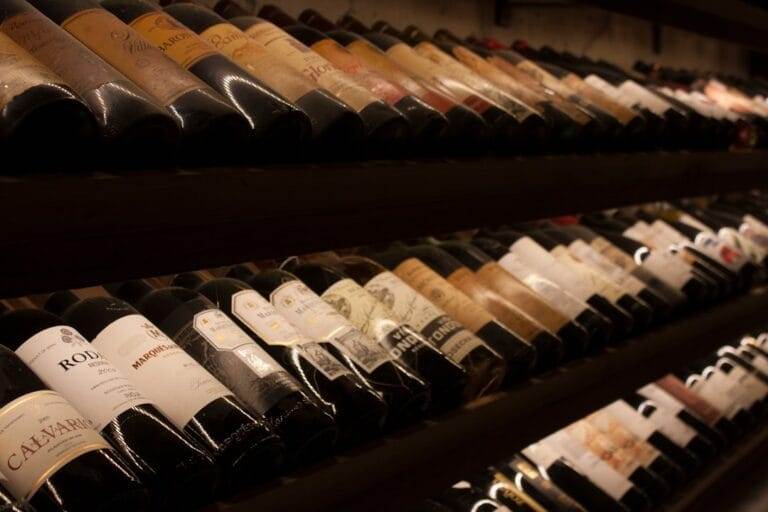
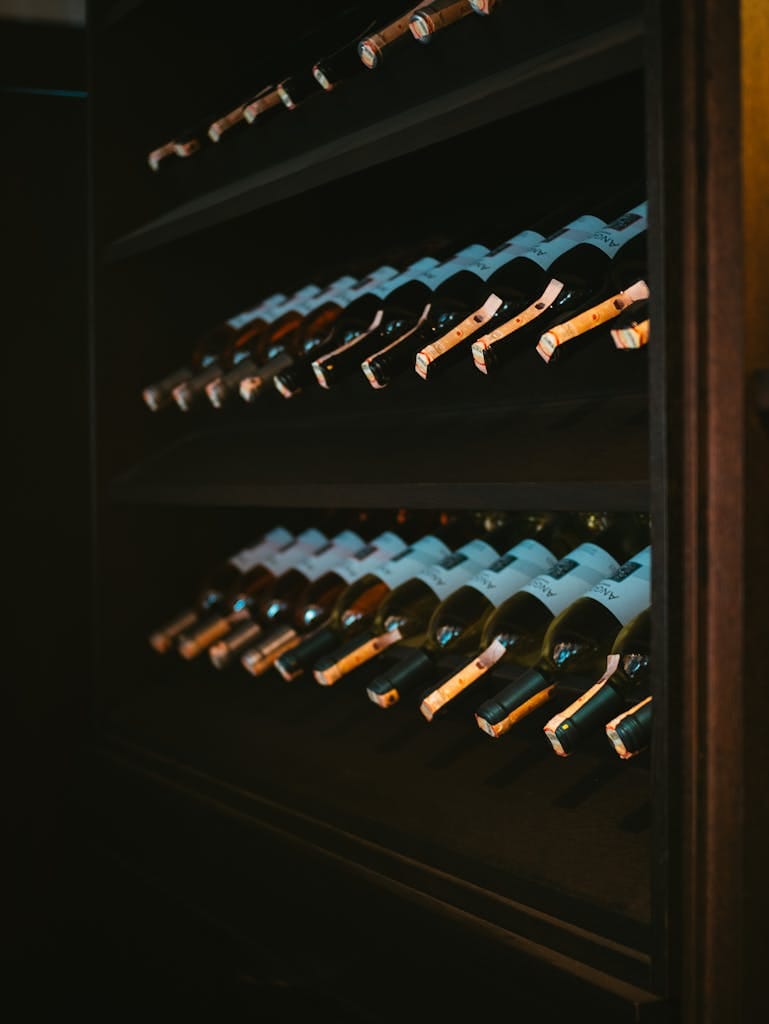
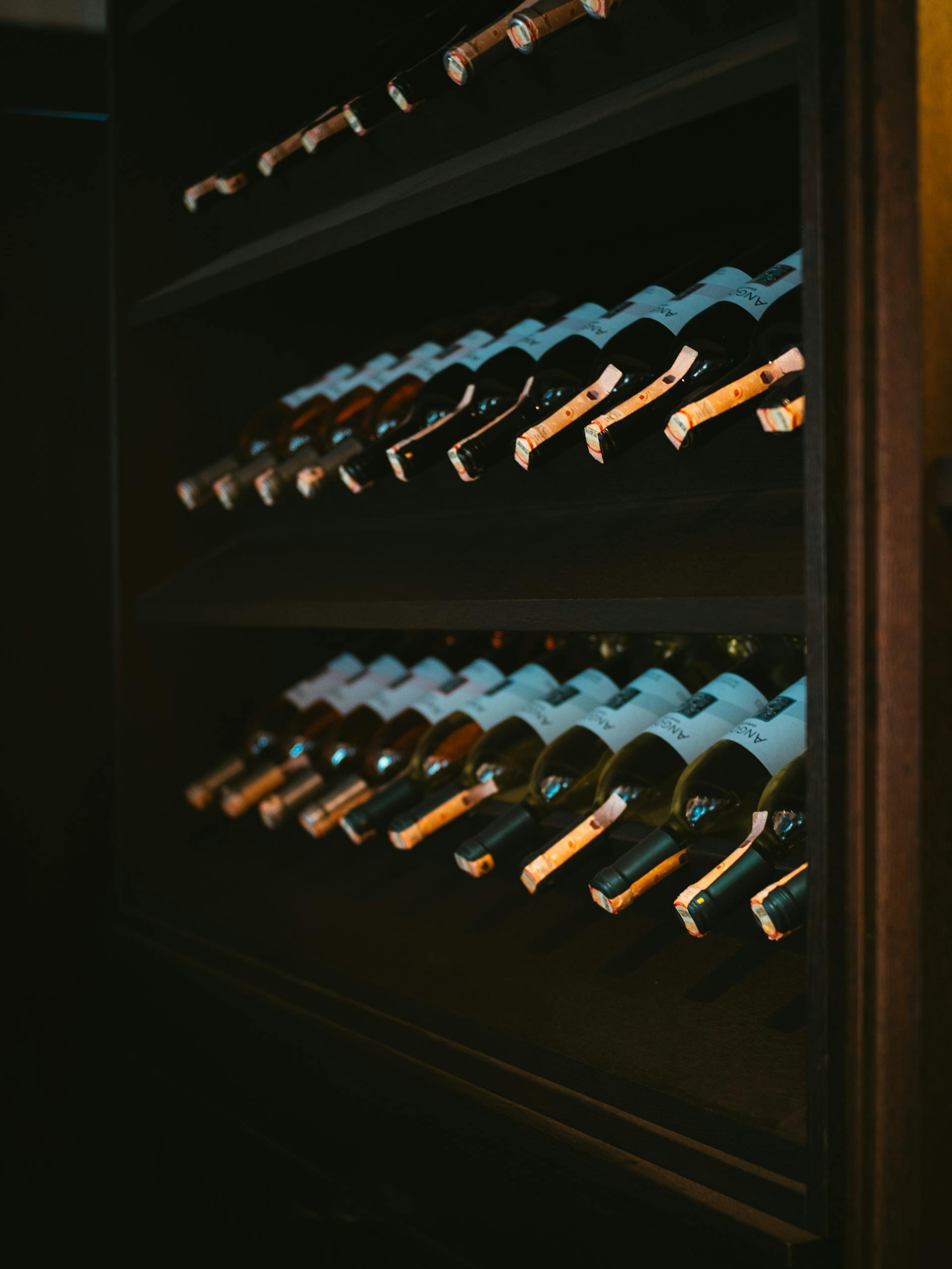
Champagne bottles are typically stored on their side to keep the cork moist, which prevents it from drying out and allowing air to enter. However, some collectors use custom racks that hold bottles at a slight angle to balance cork moisture and sediment settling.
How does humidity affect champagne storage?
Maintaining humidity levels around 70% is ideal for champagne storage. Proper humidity prevents corks from drying out and shrinking, which can lead to oxidation and spoilage of the wine.
Can champagne be stored long-term, and how does custom racking help?
Yes, champagne can be stored long-term if kept under proper conditions. Custom racking supports long-term storage by providing stable, vibration-free positioning and protecting bottles from light and temperature fluctuations, all of which help maintain the wine’s quality over time.