
As the seasonal equilibrium shifts, so too must our focus on the foundational integrity of the vinous sanctuary. The spring thaw, a harbinger of renewed biological activity, necessitates a preemptive and systematic audit of your cellar’s environmental controls. This is not a mere tidying; it is a critical re-calibration, ensuring the continued organoleptic stability and asset preservation of your collection. Your investment, both financial and experiential, hinges on the precise maintenance of these parameters.
Dust, often dismissed as a benign aesthetic nuisance, possesses a far more insidious potential within a controlled wine storage environment. Composed of organic particulates, mineral fragments, and microbiological entities, dust serves as an ideal substrate for fungal proliferation and can compromise the mechanical efficacy of essential cellar infrastructure. Its accumulation is a direct affront to the principle of environmental governance.
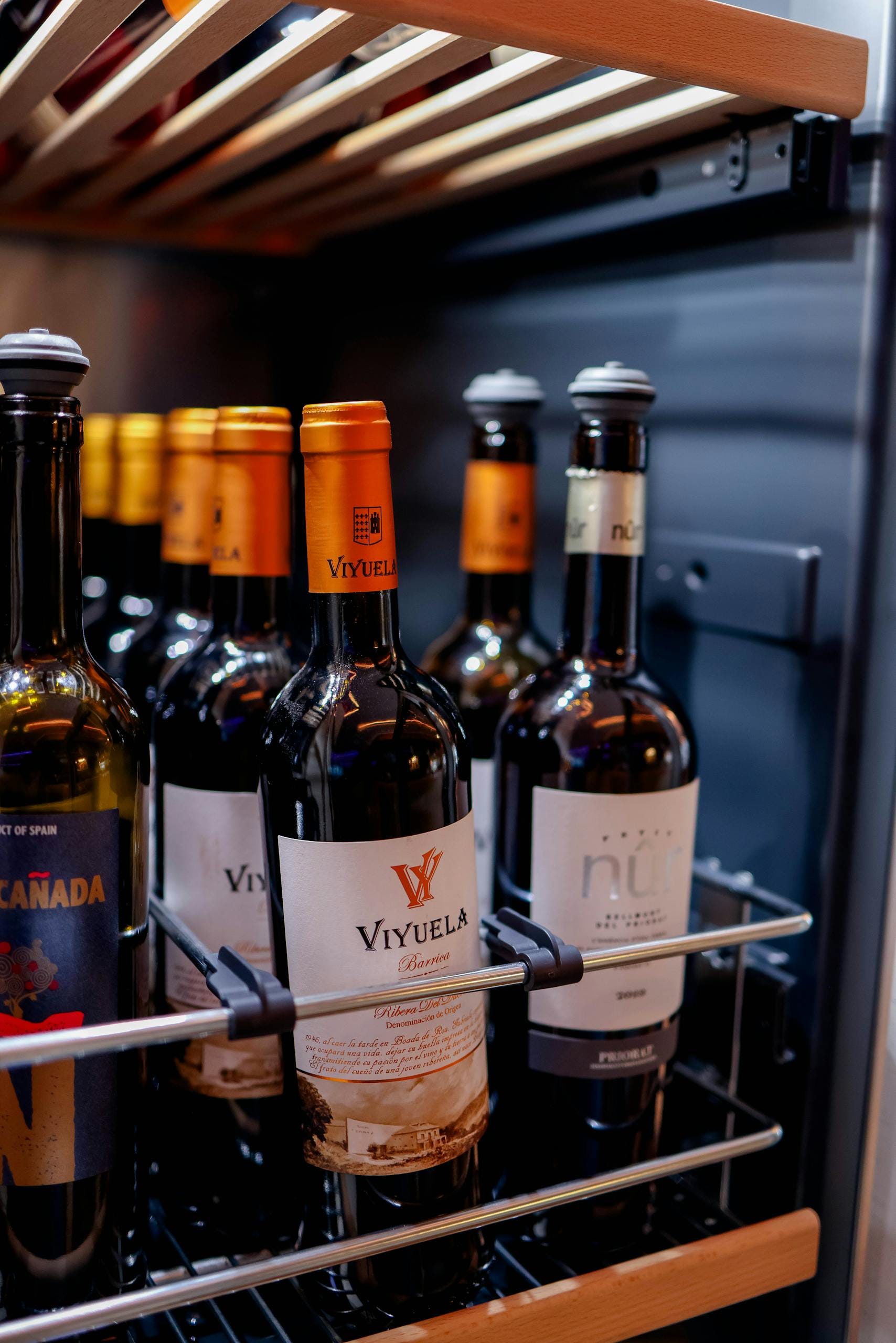
Particulate Composition and its Pathogenic Potential
The microscopic composition of dust is highly variable, depending on external atmospheric conditions, the activity within the residence, and the specific materials present in the cellar’s construction. However, a common denominator is the inclusion of fungal spores and bacterial colonies. These inactive airborne contaminants, when exposed to the hygroscopic conditions often present in a wine cellar (relative humidity typically maintained between 55% and 75%), can become viable. The ideal humidity for wine preservation, while crucial for cork integrity, simultaneously creates a supportive environment for these opportunistic microorganisms.
Electrostatic Attraction and Collection
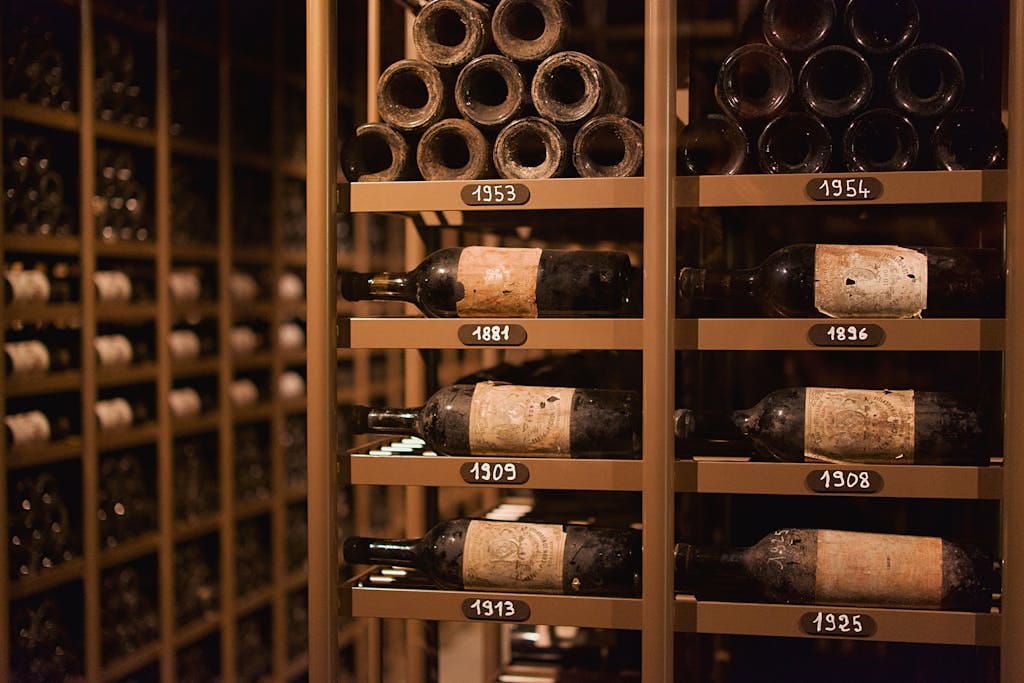
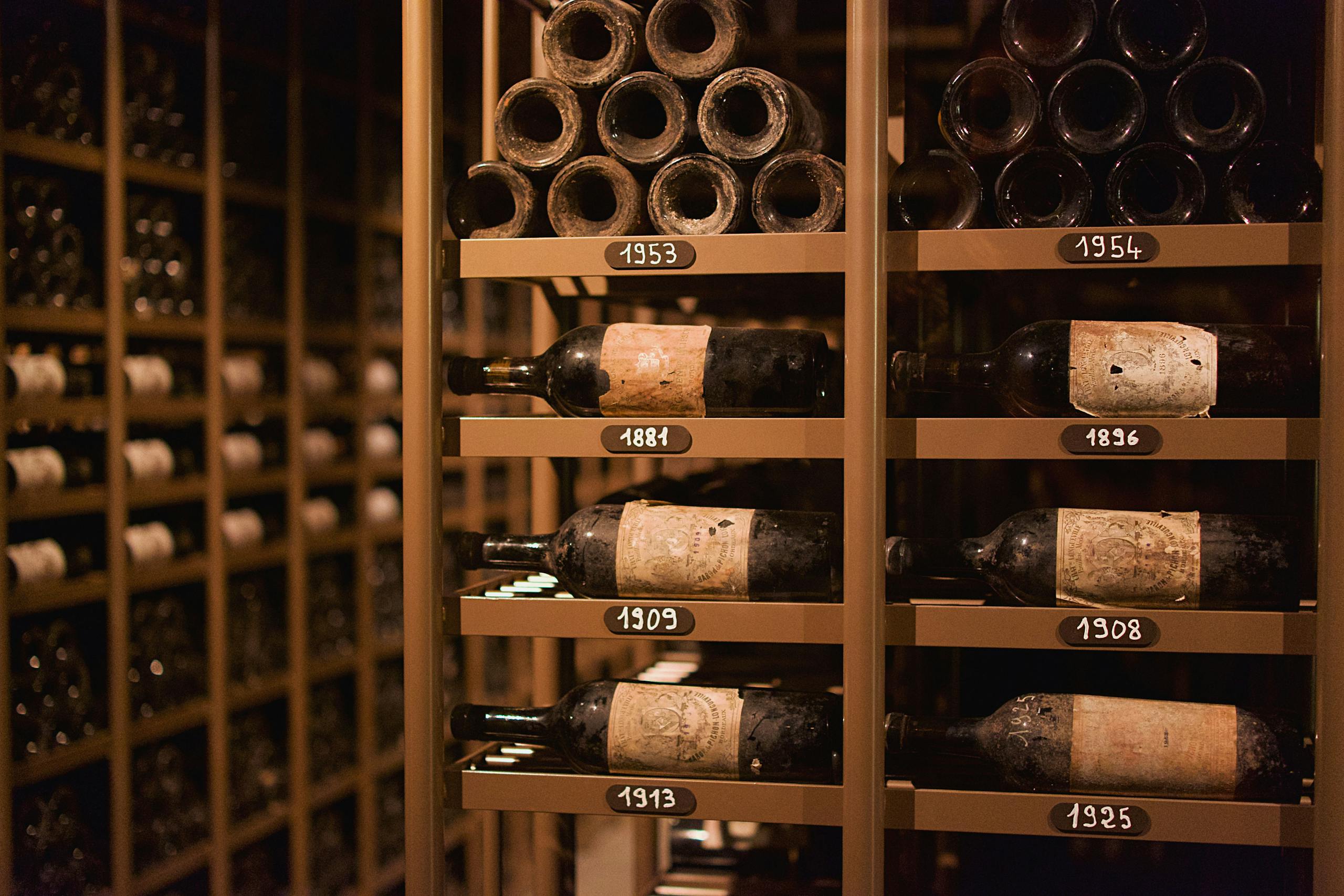
Dust particles exhibit an inherent electrostatic charge, causing them to adhere to surfaces, including bottle labels, shelving, and, critically, cooling unit coils. This adhesion is exacerbated in environments with low air movement, allowing for heterogeneous accumulation. The presence of dust on bottle exteriors, while superficially minor, can obscure labels, thereby impeding inventory management and diminishing the aesthetic presentation of a valuable asset. More critically, dust adhering to cooling coils acts as an insulating layer, reducing heat exchange efficiency and forcing the refrigeration unit to work harder, consuming more energy and increasing wear on components.
Mitigation Strategies: From HEPA to Microfiber
Effective dust mitigation requires a multi-pronged approach. Regular, comprehensive cleaning with appropriate tools is paramount.
HEPA Filtration Integration
For forced-air systems, the integration of High-Efficiency Particulate Air (HEPA) filters is non-negotiable. These filters are engineered to capture 99.97% of airborne particles 0.3 micrometers or larger, including the vast majority of dust components and airborne mold spores. While the cellar’s dedicated cooling system may not be equipped with HEPA filtration as a standard, external air purification units featuring HEPA filters can be strategically deployed during periods of active dust disturbance, such as during a deep clean, or permanently for continuous air scrubbing. The placement and airflow dynamics of such external units must be carefully considered to avoid creating localized air currents that could negatively impact temperature stratification.
Microfiber Technology
For surface cleaning, microfiber cloths are technically superior to conventional materials. Their unique fiber structure creates a larger surface area and a positive electrostatic charge, effectively trapping and holding dust particles rather than simply redistributing them. When dampened, they offer a greater capacity for particulate removal without introducing excessive moisture into the environment. Chemical cleaning agents containing volatile organic compounds (VOCs) are strictly contraindicated due to the risk of taint to the wine. Only distilled water should be used if damp cleaning is necessary.
The Protocol of Negative Pressure
During active dust removal, especially for significant accumulations, it is advisable to establish a temporary negative pressure environment within the cellar relative to adjacent spaces. This can be achieved through the strategic use of exhaust fans directed outwards, ensuring that dust dislodged during cleaning is expelled from the cellar rather than being drawn into other living areas or contaminating unaffected cellar zones. This meticulous approach minimizes collateral particulate dispersion.
Mycotoxin Management: Proactive Mold Eradication and Prevention
Mold, a manifestation of fungal growth, represents a significant biological hazard within a wine cellar. Its presence signals a fundamental lapse in environmental control, posing not only an aesthetic blight but a direct threat to the integrity of the wine and the structural components of the cellar. The eradication of mold is an urgent matter of asset protection.
The Etiology of Mold Growth
Mold requires three primary conditions for proliferation: a nutrient source (dust, organic residues from corks, wooden shelving), appropriate temperature (most molds thrive in the typical cellar temperature range of 10-18°C), and, most critically, elevated relative humidity. While a relative humidity range of 55-75% is optimal for preventing cork dry-out, sustained periods above 70% or localized condensation points can create microclimates conducive to mold sporulation and hyphal growth.
The Risk of Trichloroanisole (TCA) Contamination
Beyond the visible deterioration, mold poses a direct chemical threat: the production of 2,4,6-trichloroanisole (TCA), colloquially known as “cork taint.” While TCA is most commonly associated with tainted corks themselves, airborne mold spores in the cellar, particularly those of the Penicillium and Aspergillus genera, can metabolize chlorophenols (often present in cellar construction materials, packaging, or even low levels in the air) into TCA. This airborne TCA can then permeate corks, even if the cork itself is not directly infected. The result is a wine with muted fruit, musty notes, and a significant devaluation. This phenomenon underscores the critical importance of a mold-free environment, as TCA contamination represents an irreversible loss of quality for the affected bottles.
Eradication Protocols: Biocide Application and Environmental Remediation
Mold eradication must be approached with scientific rigor. Superficial cleaning is insufficient; the root cause must be addressed.
Identification and Isolation
The first step is to precisely identify the extent of the mold growth. This may involve visual inspection, but specialized tools like thermal imaging can pinpoint areas of latent moisture intrusion within walls or ceiling cavities that are not immediately apparent. Once identified, affected areas should be isolated to prevent spore dispersal during cleaning.
Biocidal Treatment
For porous surfaces such as wooden shelving or cellar walls, a fungicidal solution is required. A dilute solution of hydrogen peroxide (3-6%) is preferable to bleach for several reasons: it breaks down into water and oxygen, leaving no potentially taint-inducing residues; it is effective against a broad spectrum of fungi; and it is less corrosive to surfaces than chlorine bleach. The application should be thorough, allowing for adequate contact time before removal. For non-porous surfaces like bottle glass or metal racks, a simple wipe-down with a microfiber cloth dampened with distilled water is often sufficient after the environmental conditions have been rectified.
Post-Remediation Dehumidification
Following mold eradication, a period of aggressive dehumidification is critical. This involves temporarily lowering the relative humidity within the cellar to below 50% for several days to desiccate any lingering spores or incipient hyphae. This should be achieved via a dedicated dehumidification unit, not by simply opening the cellar door, which would compromise temperature stability. Once the environment is proven to be stable and mold-free, the humidity can be gently restored to the optimal range.
HVAC System Integrity: The Lifeblood of Your Cellar
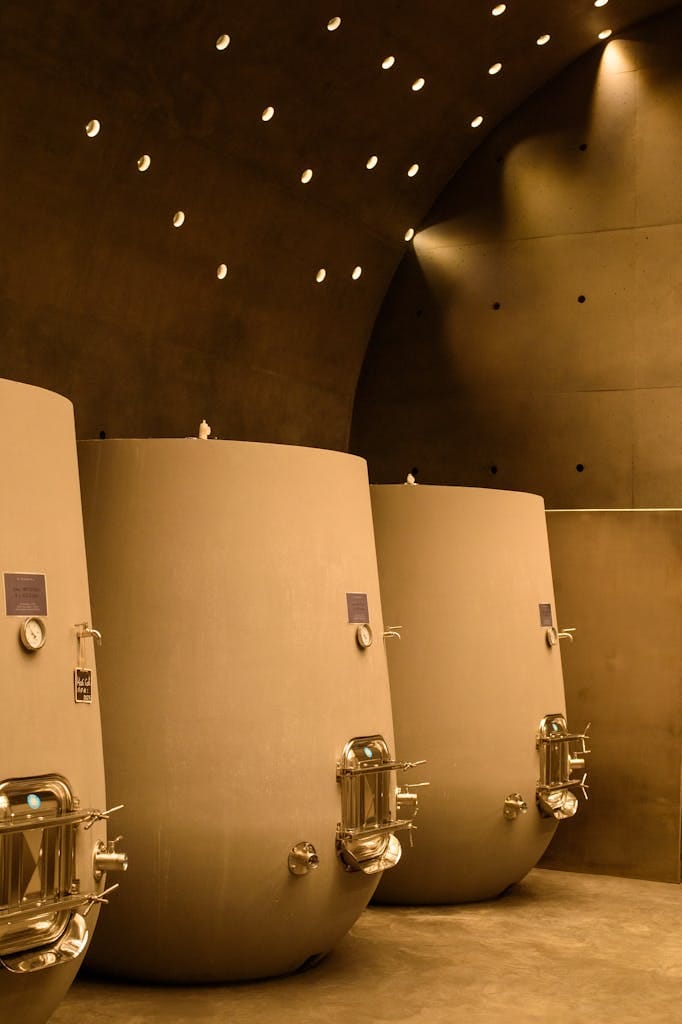
The Cellar Cooling Unit, the HVAC heart of your wine repository, is not merely a convenience; it is a critical piece of precision machinery responsible for maintaining the highly specific thermal and hygric conditions essential for wine maturation. Neglect of this system is directly correlated with system failure, energy inefficiency, and, ultimately, compromise of your liquid asset.
Evaporator Coil Efficiency & Fin Integrity
The evaporator coil, located within the cellar, is responsible for absorbing heat and moisture from the air. Over time, these fins, typically constructed from aluminum, accumulate dust, dirt, and potentially mold. This accumulation acts as an insulating layer, impeding heat transfer. A quarter-inch of dust on the coils can reduce efficiency by up to 20%, leading to longer run times, increased energy consumption, and accelerated wear on the compressor. Furthermore, the delicate fins can become bent or crushed, further obstructing airflow.
Inspection & Cleaning Protocol
A biannual inspection of the evaporator coils is a baseline requirement. Using a soft-bristled brush or a specialized fin comb, carefully remove any accumulated debris. For stubborn dirt, a no-rinse evaporator coil cleaner (specifically designed for refrigeration units, non-toxic, and non-corrosive) can be applied. Ensure the unit is powered off during this procedure. Any bent fins should be meticulously straightened with a fin comb to restore optimal airflow.
Condensate Drain Pan and Line Patency
As the evaporator coil cools, condensation forms, which then drips into a drain pan and is channeled away via a drain line. This warm, moist environment is ideal for microbial growth, leading to the formation of “algae” or “slime” that can clog the drain line. A clogged drain line results in an overflowing condensate pan, leading to water damage within the cellar, elevated localized humidity, and potential mold growth.
Decontamination & Anti-Clog Precaution
Inspect the drain pan for standing water and signs of microbial growth. Clean the pan with a diluted bleach solution (1 part bleach to 16 parts water) to kill bacteria and mold. Pouring a small amount of this solution down the drain line periodically can prevent clogs. Alternatively, commercially available slow-release condensate pan tablets containing algaecides can be placed in the pan to inhibit growth. Ensure that any discharge from the drain line is directed away from the cellar’s structural components.
Filter Replacement and Indoor Air Quality (IAQ)
The air filters within your cellar cooling unit, while not as robust as HEPA filters, are designed to capture larger airborne particulates and protect the internal components of the system. A clogged filter restricts airflow, mirroring the effects of dirty coils by reducing efficiency and increasing strain on the blower motor. Beyond mechanical protection, a clean filter contributes to the overall indoor air quality of the cellar by reducing circulating allergens and potential odor-causing particles.
MERV Rating Consideration
Most wine cellar cooling units utilize pleated filters with a Minimum Efficiency Reporting Value (MERV) rating typically between 8 and 11. While higher MERV ratings provide superior filtration, they also impose greater airflow restriction, which can stress the blower motor if the system is not designed for it. Consult the manufacturer’s specifications for the recommended MERV rating. Filters should be inspected monthly and replaced quarterly, or more frequently depending on the particulate load of the surrounding environment. This proactive measure ensures consistent airflow, optimizes system performance, and contributes to the overall hygienic integrity of your cellar space.
Structural Integrity: Monitoring for Micro-Leaks and Thermal Bridges
The physical envelope of your wine cellar is its primary defense against environmental variability. Any compromise to this envelope, no matter how minute, can introduce thermal inefficiencies, promote condensation, and fundamentally undermine the stable conditions you strive to maintain. A meticulous inspection of the cellar’s structural integrity is a critical aspect of spring maintenance.
The Physics of Air Infiltration
Air, an excellent thermal conductor, will readily exchange across any pressure differential. Even seemingly insignificant cracks or gaps in the cellar’s vapor barrier or insulation can permit the ingress of warmer, more humid air from adjacent spaces. This infiltration leads to several detrimental effects: the cellar cooling unit works harder to compensate for the higher heat load; condensation can form on cooler surfaces within the cellar as warm, humid air meets cold, promoting mold growth; and, critically, the energy consumption of the cellar significantly increases.
Identifying Thermal Bridges: The Anomaly of Temperature Gradients
A thermal bridge is a localized area within a structure that allows heat to flow through it at a higher rate than the surrounding materials. Common examples in a wine cellar include uninsulated electrical outlets, poorly sealed door frames, and junctions between different building materials. These areas will exhibit a distinct temperature gradient.
Infrared Thermography
The most precise method for identifying thermal bridges and air leaks is infrared thermography. An infrared camera can visually depict temperature variations across surfaces, highlighting areas where heat is being lost or gained. A professional thermographic survey, conducted under controlled conditions (e.g., with the cellar cooling unit running consistently), can pinpoint hidden deficiencies in insulation or vapor barrier continuity that are invisible to the naked eye. This diagnostic tool provides actionable data for targeted remediation.
Visual and Tactile Inspection
In the absence of infrared equipment, a diligent visual and tactile inspection can yield valuable insights. Look for subtle discoloration on walls or ceilings, which may indicate past or present moisture intrusion. Run your hand across seals around doors and windows; any perceptible draft indicates an air leak. Inspect the perimeter of the cellar where walls meet the floor and ceiling for cracks in caulk or sealant.
Remediation Strategies: From Sealants to Structural Reinforcement
Addressing identified structural vulnerabilities requires precision.
High-Performance Sealants
For minor cracks or gaps, high-performance, low-VOC (volatile organic compound) elastomeric sealants are the preferred solution. These sealants remain flexible over a wide temperature range and adhere well to various building materials, creating an airtight and vapor-tight barrier. Ensure the sealant is labeled as suitable for use in damp environments.
Vapor Barrier Augmentation
Should a larger breach in the vapor barrier be suspected, targeted reinforcement may be necessary. This could involve the application of a self-adhering vapor barrier membrane over the compromised area, ensuring continuity with the existing barrier. The principle is to create an unbroken membrane that prevents moisture migration into the insulation cavity and subsequently into the cellar air.
Door and Window Gasket Replacement
Door and window seals, particularly in the entry to the cellar, are subject to wear. Inspect these gaskets for signs of compression set, tears, or degradation. Replacing worn gaskets with high-quality, continuous compression seals is a simple yet profoundly effective measure to prevent air infiltration around these critical openings. The door itself should be an exterior-grade, insulated unit to minimize thermal transfer.
Inventory Audit and Collection Health Assessment
Beyond the environmental mechanics, the spring season presents an opportune moment for a comprehensive audit of the collection itself. This is not merely a quantitative exercise but a qualitative assessment of the wines’ well-being and the accuracy of your inventory system.
Visual Manifestations of Stress
Each bottle in your cellar is a singular data point within your liquid asset portfolio. A visual inspection can reveal subtle indicators of environmental stress.
Bottle Label and Capsule Integrity
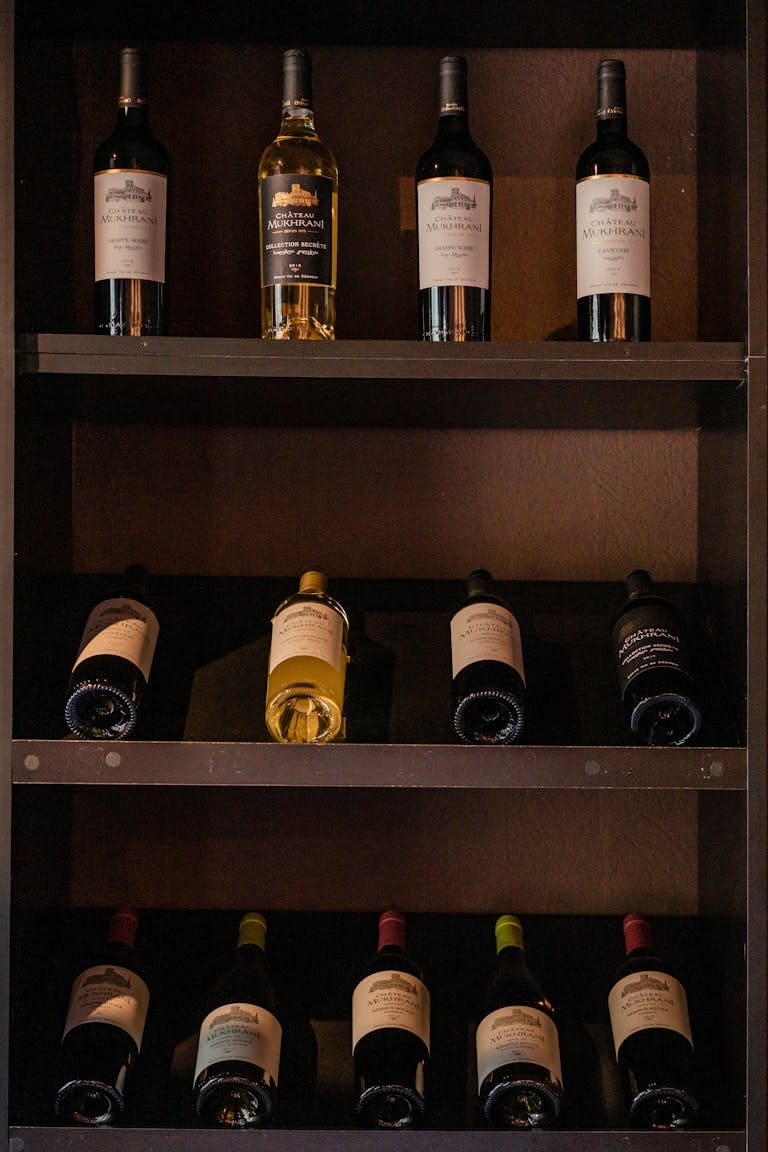
Examine bottle labels for any signs of mold growth, excessive dampness, or peeling. These are direct indicators of localized humidity issues or, worse, direct water exposure. A pristine label contributes to the perceived value of the bottle. Inspect capsules for corrosion, which can indicate excessively high humidity or the presence of corrosive agents in the air. While superficial, such damage can detract from a bottle’s marketability.
Cork Protrusion or Weeping
Carefully inspect the cork interface. Any noticeable protrusion of the cork beyond the bottle lip or evidence of “weeping” (wine visibly seeping around the cork) is a critical red flag. Both indicate a compromise in the cork’s seal, likely due to excessive heat exposure, extreme temperature fluctuations, or a flaw in the cork itself. Wines exhibiting these symptoms are at high risk of rapid oxidation and should be flagged for immediate assessment and potential consumption. This visual cue demands immediate attention, as the integrity of the bottle’s seal is paramount to its longevity.
Digital Inventory Reconciliation
A spring audit provides the ideal opportunity to synchronize your physical collection with your digital inventory. This mitigates discrepancies and enhances discoverability.
Barcode Scanning and Data Entry Validation
For advanced cellar management systems, utilize a barcode scanner to efficiently verify the presence and location of each bottle against your digital records. For smaller collections or manual systems, a meticulous bottle-by-bottle check is required. Validate all associated metadata: vintage, producer, varietal, acquisition date, and critical tasting notes. Any discrepancies must be immediately rectified to maintain data integrity. An accurate inventory is not merely a record; it is a foundational tool for asset management, insurance claims, and strategic portfolio planning.
Re-Orientation and Optimization
Beyond verification, consider optimizing the physical organization of your cellar. Are frequently accessed bottles easily retrievable? Are wines intended for long-term aging securely located in the least disturbed areas? Re-orienting bottles for consistent label visibility streamlines future access and cataloging. This strategic re-organization minimizes disturbance to sensitive, aging bottles and enhances the overall efficiency of your cellar operations. Consider the practical logistics of rotation and removal to prevent inadvertent disturbance to adjacent bottles.
FAQs
What are the key steps involved in spring cleaning a cellar?
Spring cleaning a cellar typically involves removing dust and debris, checking for and addressing any mold growth, and maintaining or replacing air filters to ensure proper ventilation and air quality.
How can I safely remove mold from my cellar?
To safely remove mold, wear protective gear such as gloves and a mask, use a mixture of water and detergent or a commercial mold cleaner, scrub the affected areas thoroughly, and ensure the cellar is well-ventilated during and after cleaning to prevent mold recurrence.
Why is filter maintenance important in cellar cleaning?
Filter maintenance is important because clean filters help improve air circulation, reduce dust and allergens, and prevent moisture buildup, which can contribute to mold growth and poor air quality in the cellar.
How often should I clean and replace filters in my cellar?
Filters should be inspected regularly and cleaned or replaced at least once every three to six months, or more frequently if the cellar is prone to dust, mold, or high humidity.
What precautions should I take to prevent mold growth after cleaning my cellar?
To prevent mold growth, keep the cellar dry and well-ventilated, use a dehumidifier if necessary, fix any leaks or water intrusion issues promptly, and regularly monitor the space for signs of moisture or mold.