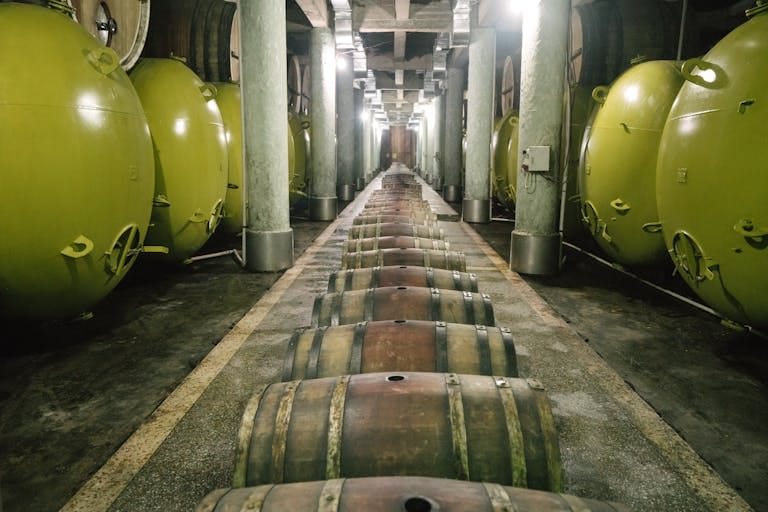

The Bay Area’s unique geological landscape presents a singular challenge for the preservation of valuable wine collections. While the region’s appellations are globally renowned, the very ground beneath us demands a rigorous and conscientious approach to cellar construction. At Wine Cellars San Francisco, our expertise lies not in mere storage solutions, but in the strategic engineering of environments that safeguard your investments against the inherent seismic vulnerabilities of Northern California. This document outlines the critical considerations for ensuring the structural integrity and environmental stability of wine cellars in a seismically active zone.
The San Francisco Bay Area is situated within a complex network of fault lines, most notably the San Andreas Fault. This geological reality significantly influences the design and construction methodologies that must be employed for any subterranean or semi-subterranean structure intended for long-term occupancy, a category that includes sophisticated wine cellars. Ignoring seismic forces is akin to building a ship without considering wave dynamics; it is a fundamental oversight that compromises the entire endeavor. Our approach begins with a thorough assessment of site-specific seismic risks, integrating this knowledge into the foundational design from its inception. This is not an optional addendum; it is a cornerstone of responsible cellar architecture in this region.






Sub-Basement Seismic Analysis
Before any excavation commences, a detailed seismic analysis of the sub-basement soil conditions is paramount. This involves understanding the soil’s shear wave velocity and its potential for liquefaction.
Liquefaction Potential and Mitigation Strategies
Liquefaction occurs when saturated granular soils lose their strength and stiffness under seismic loading. In the Bay Area, this is a distinct concern given the presence of alluvial plains and areas with high water tables. Our strategies for mitigation include:
- Ground Improvement Techniques: Methods such as dynamic compaction, vibro-compaction, or deep soil mixing can significantly increase the soil’s density and reduce liquefaction susceptibility.
- Deep Foundation Systems: Utilizing piles or caissons that extend through liquefiable layers to bedrock or competent soil strata provides a stable foundation independent of the problematic upper layers.
- Rigid Foundation Design: Employing mat foundations or reinforced raft foundations can help distribute seismic loads more evenly and reduce differential settlement.
Fault Zone Proximity and Setback Requirements
The proximity of the proposed cellar site to active fault lines dictates stringent building codes and setback requirements. Understanding the Alquist-Priolo Earthquake Fault Zoning Act and its implications for construction is crucial.
- Geotechnical Investigations: Comprehensive geotechnical reports are mandatory to delineate the fault plane and establish safe construction envelopes.
- Structural Isolation: In some cases, specialized isolation systems, such as base isolation or seismic dampers, may be warranted to decouple the structure from ground motion.
Structural Integrity: Beyond Conventional Reinforcement
The primary objective in seismic design for any structure is to prevent catastrophic collapse. For wine cellars, this extends to preserving the microclimate within. Our structural strategies are engineered to absorb and dissipate seismic energy, ensuring both personnel safety and the protection of the wine inventory. This is achieved through a deliberate and detailed application of reinforced concrete, shear wall design, and the judicious use of seismic bracing.
Reinforced Concrete and Rebar Detailing
The foundation and walls of a wine cellar in a seismic zone must possess exceptional tensile and compressive strength. This is achieved through precise detailing of reinforcing steel within the concrete matrix.
Minimum Rebar Spacing and Lap Splices
Adherence to ACI 318 (Building Code Requirements for Structural Concrete) standards is non-negotiable. This includes:
- Reduced Spacing for Confinement: Reinforcement within critical zones, such as beam-column joints and wall corners, is densely packed to provide confinement and enhance ductility.
- Proper Lap Splice Lengths: Ensuring adequate overlap of rebar sections prevents failure at connection points during seismic events. These lap lengths are calculated based on rebar diameter and concrete strength.
Shear Wall Design and Reinforcement Patterns
Shear walls are integral to resisting lateral seismic forces. Their design and reinforcement are critical for preventing shear failure and preserving the structural envelope.
- Ductile Detailing in Boundary Elements: The edges of shear walls, known as boundary elements, are heavily reinforced to prevent premature buckling of concrete and rebar under extreme stress.
- Distributed Reinforcement: Horizontal and vertical reinforcement within the wall panels is meticulously spaced to ensure uniform stress distribution and to resist diagonal tension and compression forces characteristic of seismic events.
Seismic Bracing and Load Path Continuity
Effective seismic design ensures that seismic loads are transmitted efficiently from the structure to the foundation. This involves a cohesive system of bracing and a clear understanding of load paths.
Connections and Anchorage
The strength of the entire system hinges on the integrity of its connections. Connections between structural elements (walls and slabs, beams and columns) must be robust and designed to accommodate seismic displacements.
- Anchor Bolt Design and Embedment Depth: Anchor bolts securing any above-grade elements or specialized equipment must be precisely sized and installed with sufficient embedment depth to resist pull-out forces.
- Moment-Resisting Frames: In larger cellars, moment-resisting frames can be incorporated to provide an additional layer of seismic resistance, allowing for controlled deformation without failure.
Utility and Equipment Restraint
Beyond the primary structure, all internal systems and equipment must be secured to prevent secondary damage during an earthquake.
- HVAC and Refrigeration Unit Restraints: These units, often heavy and with significant operational loads, require seismic restraints to prevent dislodging. This involves specialized bracing and flexible connections to accommodate movement.
- Racking System Anchoring: Wine racking systems, particularly floor-mounted or cantilevered designs, must be securely anchored to the concrete slab. The dynamic loads placed upon racks filled with wine bottles during seismic shaking are substantial.
Environmental Control Under Duress: Maintaining Thermal Equilibrium
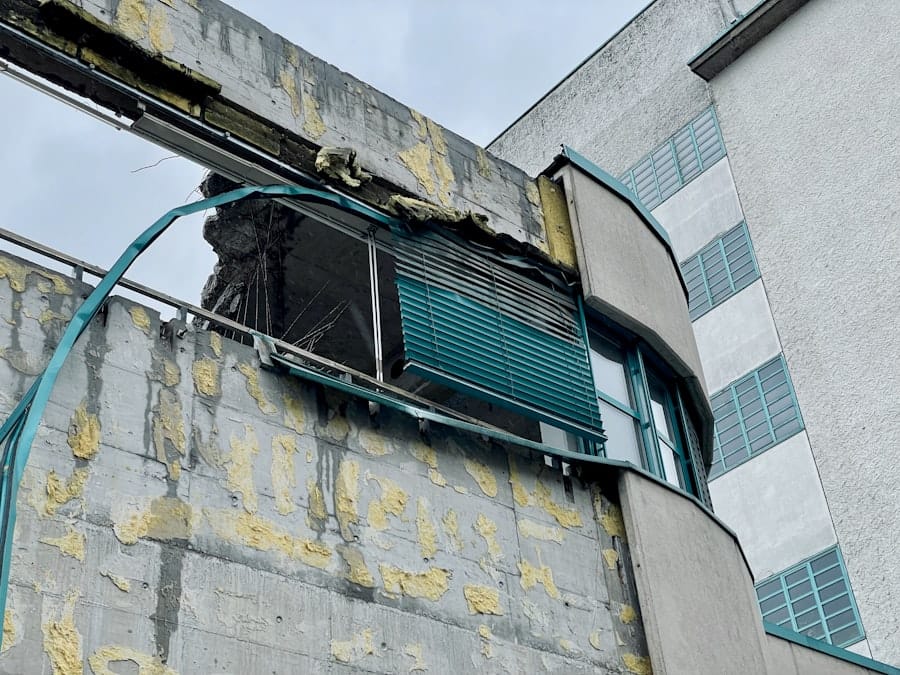
The inherent challenge of maintaining consistent thermal and humidity levels for wine preservation is amplified by the potential for structural displacement during seismic activity. Our designs prioritize environmental stability by ensuring the integrity of the vapor barrier, optimizing insulation performance, and considering the impact of seismic forces on these crucial systems. The goal is to create a quiescent environment, resilient to external shocks that might otherwise disrupt the delicate balance required for ideal wine aging.
Vapor Barrier Integrity: A Defense Against Humidity Fluctuation
The vapor barrier is the first line of defense against the ingress of external moisture, a critical factor in preventing mold and obsolescence of structural materials and, consequently, the preservation of the cellar’s microclimate. In a seismic zone, this barrier must remain intact under stress.
Material Selection and Adhesion
The selection of appropriate vapor barrier materials and their subsequent application is critical. The material’s inherent permeability and the quality of its adhesion to the substrate are key metrics.
- Polyethylene Sheeting Standards: Utilizing high-density polyethylene (HDPE) sheeting of appropriate thickness (e.g., 6-mil or greater) is standard practice.
- Seamless Application and Sealing: All seams and penetrations must be meticulously sealed using manufacturer-approved tapes and adhesives, creating a continuous, impermeable layer. This is where the meticulous nature of a high-performance vapor barrier manifests.
Protection of the Vapor Barrier During Construction
The vapor barrier is a vulnerable component during the construction phase. Aggressive seismic design necessitates robust protection measures to ensure its longevity.
- Protective Layers (e.g., Torching Felt, Rigid Insulation): A sacrificial layer, such as asphalt-impregnated felt or rigid insulation boards, is often installed over the primary vapor barrier to protect it from damage during backfilling or subsequent construction activities.
- Careful Backfilling Procedures: The process of backfilling around the cellar structure must be executed with meticulous attention to prevent puncture or tearing of the vapor barrier by sharp rocks or construction debris.
Insulation Performance and Thermal Mass Considerations
While insulation primarily addresses thermal transmission, its ability to withstand seismic forces without compromising its insulating properties is also a design consideration.
Damping Modulus and Material Stability
The inherent damping characteristics of insulation materials can play a subtle role in absorbing high-frequency vibrations. More importantly, the insulation must not degrade or shift significantly under seismic load.
- Closed-Cell Spray Foam: Offers excellent R-value per inch and forms a monolithic, adhered layer that can contribute to structural rigidity and seal air gaps. Its application also often incorporates a vapor retardant function.
- Rigid Foam Boards (XPS/EPS): When properly installed and adhered, these provide consistent thermal resistance and can contribute to the structural integrity of the wall assembly, resisting minor deformations.
Thermal Mass and Its Role in Stabilization
The thermal mass of the cellar’s construction materials can act as a buffer against rapid temperature fluctuations, a phenomenon that can be exacerbated by seismic events that momentarily disrupt HVAC systems.
- Concrete and Masonry: These materials possess high thermal mass, absorbing and releasing heat slowly. This inherent characteristic helps to smooth out temperature variations, acting as a passive regulator.
- Strategic Placement: Understanding how the thermal mass of the concrete structure and interior finishes interacts with the climate control system is key to achieving long-term environmental stability.
Racking and Storage Systems: Engineered for Inertia

The direct impact of seismic activity on wine racking and storage systems is a primary concern for preserving the collection. Bottles are fragile, and the dynamic forces of an earthquake can transform orderly rows into chaotic cascades with potentially catastrophic consequences for both the wine and the cellar structure. Our approach integrates the design of these systems with the overall seismic engineering of the cellar.
Inertial Load Calculations and Force Dissipation
The fundamental principle at play here is inertia. During an earthquake, the cellar structure moves, but the mass of the wine bottles and racks has a tendency to resist this motion, generating significant inertial forces.
Dynamic Amplification Factors
Seismic codes dictate the use of dynamic amplification factors, which account for how the natural frequency of a structure and its contents can influence the magnitude of seismic forces experienced.
- Frequency Matching Avoidance: Design considerations aim to avoid resonance where the natural frequency of the racking system matches that of the expected seismic waves.
- Understanding the Pendulum Effect: Tall, slender racking systems are particularly susceptible to the pendulum effect, increasing their susceptibility to overturning.
Racking Design and Anti-Tip Mechanisms
The design of the racking itself, as well as its integration with the cellar floor and walls, is paramount.
Secure Anchoring to Structure
All racking systems, regardless of their material or configuration, must be securely anchored to the structural elements of the cellar.
- Floor Anchoring: Heavy-duty anchor bolts, correctly sized and adequately embedded in the concrete slab, are essential for securing floor-standing racks.
- Wall-Mounted and Cantilevered Racks: These require robust wall anchors and considerations for potential shear or pull-out forces, especially in non-load-bearing wall systems.
Bottle Containment and Anti-Tip Devices
Beyond anchoring the racks, measures to contain the bottles themselves are critical.
- Individual Bottle Niches: Precisely dimensioned individual bottle slots reduce lateral movement.
- Bottle Retainers and Clips: These small but vital components prevent bottles from sliding forward and out of their racks during seismic events. The application of such devices is a testament to the granular level of detail required.
- Horizontal Storage: While not always aesthetically favored for display, horizontal storage can offer inherent stability by reducing the pendulum effect of individual bottles.
Advanced Seismic Technologies: A Proactive Layer of Protection
For collectors with particularly sensitive or extensive collections, the integration of advanced seismic technologies can provide an additional layer of security. These are not merely add-ons but represent a strategic investment in the long-term preservation of your valuable assets.
Base Isolation Systems
Base isolation is a structural design strategy that effectively decouples the building from the ground motion during an earthquake. This sophisticated approach significantly reduces the forces transmitted to the cellar structure and its contents.
Principles of Isolation Bearings
Typically employing specialized bearings (e.g., lead-rubber bearings, friction pendulum bearings), these systems absorb and dissipate seismic energy, allowing the ground to move beneath the isolated structure.
- Energy Dissipation Mechanisms: Understanding how these bearings utilize friction, damping, and elastic deformation to mitigate seismic forces is central to their efficacy.
- Vertical and Horizontal Decoupling: Advanced systems can provide isolation in both the vertical and horizontal planes, offering comprehensive protection.
Tuned Mass Dampers (TMDs)
Tuned mass dampers are passive devices installed within a structure to counteract the effects of dynamic forces. They function by absorbing vibrational energy.
Harmonic Resonance and Inertial Counteraction
A TMD consists of a mass on a spring system tuned to vibrate at a frequency that counteracts the dominant natural frequency of the structure.
- Counter-Oscillation Principle: As the structure begins to vibrate in response to seismic activity, the TMD oscillates in the opposite direction, effectively reducing the amplitude of the structure’s motion.
- Application in Subterranean Structures: While more commonly seen in high-rise buildings, the principles of TMDs can be adapted for significant subterranean structures where space permits and the need for vibration reduction is paramount.
Monitoring and Early Warning Systems
Integrating seismic monitoring and early warning systems can provide invaluable lead time for securing sensitive equipment or initiating emergency protocols.
Accelerometers and Real-Time Data Analysis
The deployment of accelerometers within the cellar structure can provide real-time data on seismic activity.
- Triggered Events and Notifications: These systems can be programmed to trigger automated responses, such as shutting down sensitive systems or providing immediate alerts to stakeholders.
- Post-Event Analysis: Data from these monitors can be crucial for assessing the structural and environmental impact of a seismic event on the cellar.
In conclusion, constructing a wine cellar in the San Francisco Bay Area is an undertaking that demands a profound respect for the region’s geological realities. Our commitment at Wine Cellars San Francisco is to engineer environments that are not only aesthetically congruent with the Northern California lifestyle but are also demonstrably resilient. By adhering to rigorous scientific principles and employing advanced engineering strategies, we ensure that your wine collection is protected, not merely stored, in an environment built to withstand the unique challenges of this exceptional locale. We invite you to consult with our team to explore the specific seismic engineering requirements that will safeguard your investment for generations to come.
FAQs
What is seismic safety engineering in the context of California wine cellars?
Seismic safety engineering involves designing and retrofitting wine cellars to withstand earthquakes. In California, where seismic activity is common, this includes reinforcing structures, securing wine racks, and using materials that can absorb or resist seismic forces to protect both the building and its valuable contents.
Why is seismic safety important for wine cellars in California?
California is prone to earthquakes, which can cause significant damage to buildings and their contents. Wine cellars often house expensive and irreplaceable wine collections, so ensuring these spaces are earthquake-resistant helps prevent loss and damage, preserving both the structure and the wine.
What are common engineering techniques used to protect wine cellars from earthquakes?
Common techniques include installing flexible shelving systems that can absorb shocks, anchoring wine racks securely to walls or floors, reinforcing cellar walls and ceilings with steel or concrete, and using vibration-dampening materials. Additionally, structural retrofitting may involve foundation strengthening and seismic bracing.
Can existing wine cellars be retrofitted for better seismic safety?
Yes, many existing wine cellars can be retrofitted to improve seismic safety. This may involve adding bracing, securing racks, reinforcing walls, and upgrading the foundation. Consulting with a seismic safety engineer is recommended to assess the specific needs and implement appropriate measures.
Are there building codes or regulations in California that address seismic safety for wine cellars?
California building codes include seismic safety requirements for residential and commercial structures, which can apply to wine cellars depending on their size and location. While there may not be specific codes solely for wine cellars, compliance with general seismic standards and local regulations is essential to ensure safety and structural integrity.