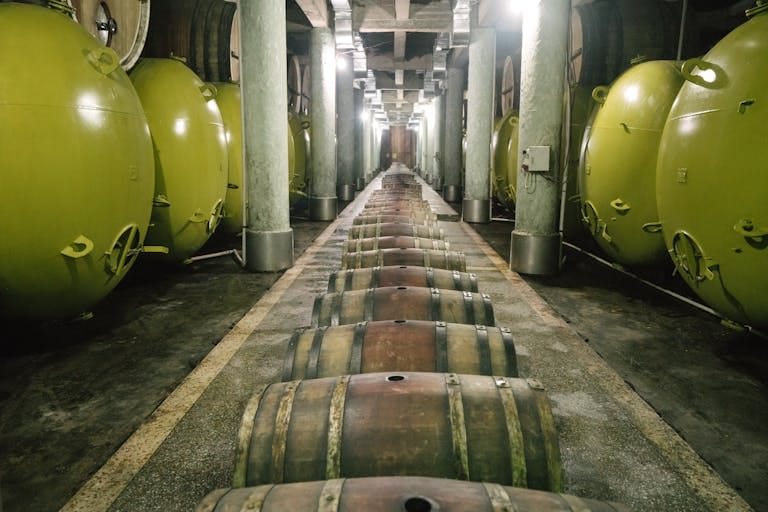

In recent years, the wine industry has increasingly recognized the importance of sustainability, and this trend extends to wine cellar design. Sustainable wine cellars prioritize eco-friendly materials and energy-efficient systems, ensuring that the environmental impact is minimized while still providing optimal conditions for wine storage. By utilizing reclaimed wood, recycled metals, and low-VOC finishes, designers can create spaces that not only look beautiful but also contribute positively to the environment.
This approach not only appeals to environmentally conscious consumers but also enhances the overall aesthetic of the cellar, creating a harmonious blend of nature and design. Moreover, sustainable practices in wine cellar design often include energy-efficient climate control systems. These systems are designed to maintain the ideal temperature and humidity levels for wine storage while consuming less energy than traditional models.
By incorporating smart technology, such as programmable thermostats and energy-efficient insulation, wine cellars can operate sustainably without sacrificing performance.This commitment to eco-friendly practices not only benefits the planet but also ensures that wine collectors can enjoy their collections in an environment that respects both their passion and the world around them.
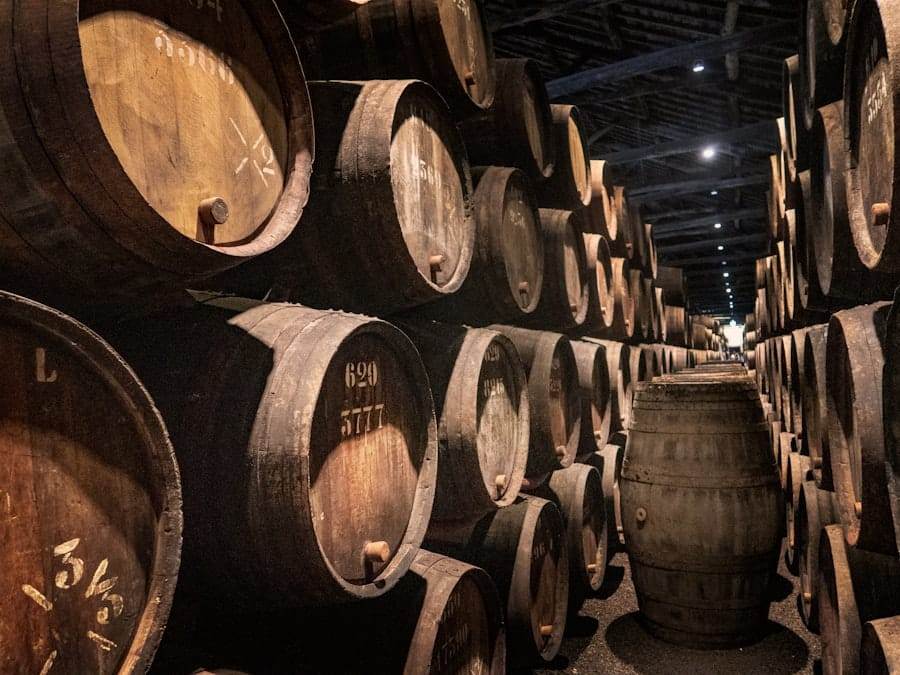
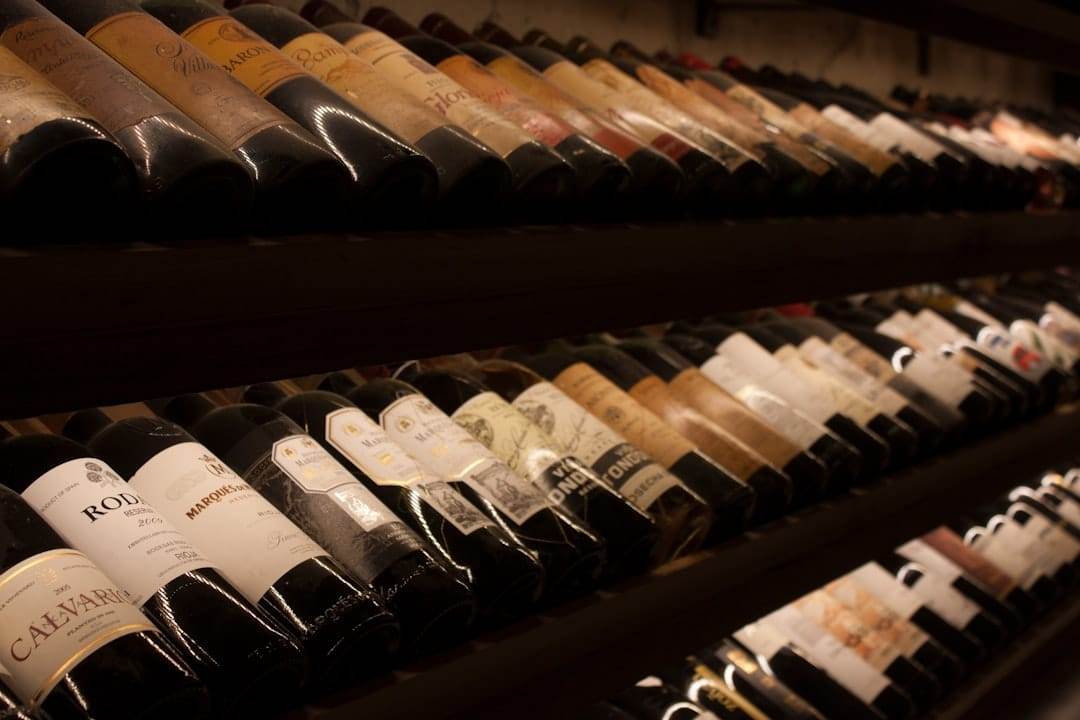
Smart Technology Integration: Enhancing Wine Cellar Functionality
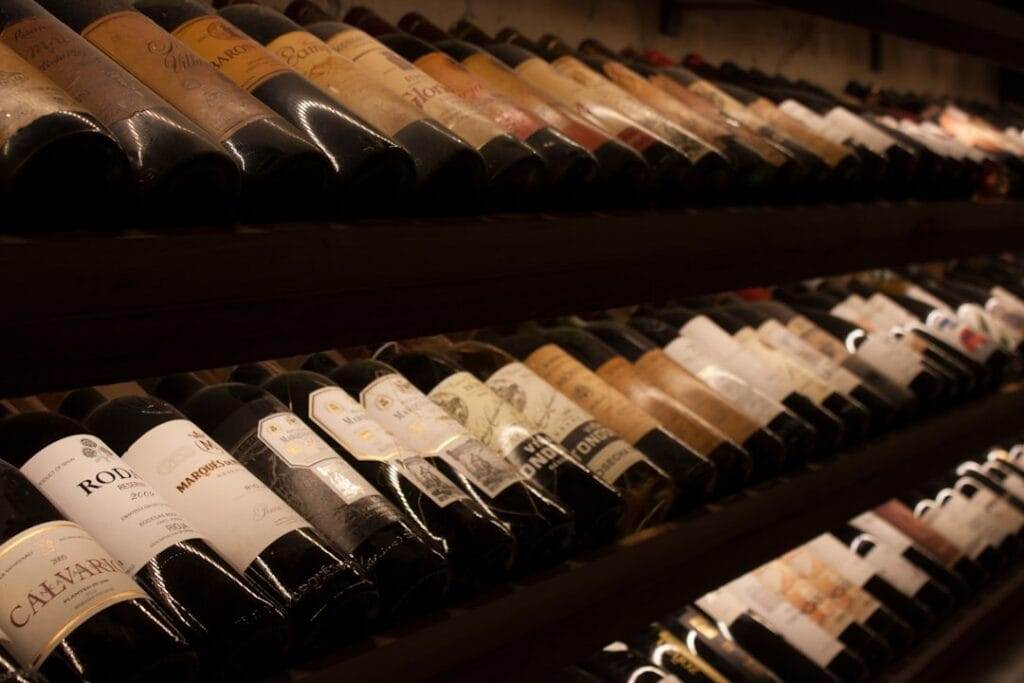
The integration of smart technology into wine cellars has revolutionized how wine enthusiasts manage their collections. With advancements in home automation, wine cellars can now be equipped with sophisticated monitoring systems that track temperature, humidity, and even light exposure. These systems can send alerts to owners if conditions deviate from the optimal range, allowing for immediate adjustments to protect valuable collections.
This level of control not only enhances the functionality of the cellar but also provides peace of mind for collectors who invest significant resources into their wines. Additionally, smart technology can facilitate inventory management within the wine cellar. With the use of mobile applications, collectors can catalog their wines, track consumption, and even receive recommendations based on their preferences.
This integration of technology streamlines the experience of managing a wine collection, making it easier for enthusiasts to enjoy their passion without the burden of manual record-keeping. As smart technology continues to evolve, the possibilities for enhancing wine cellar functionality are virtually limitless, paving the way for a more connected and efficient wine storage experience.
Multi-Purpose Wine Cellars: Adapting to Urban Living Spaces
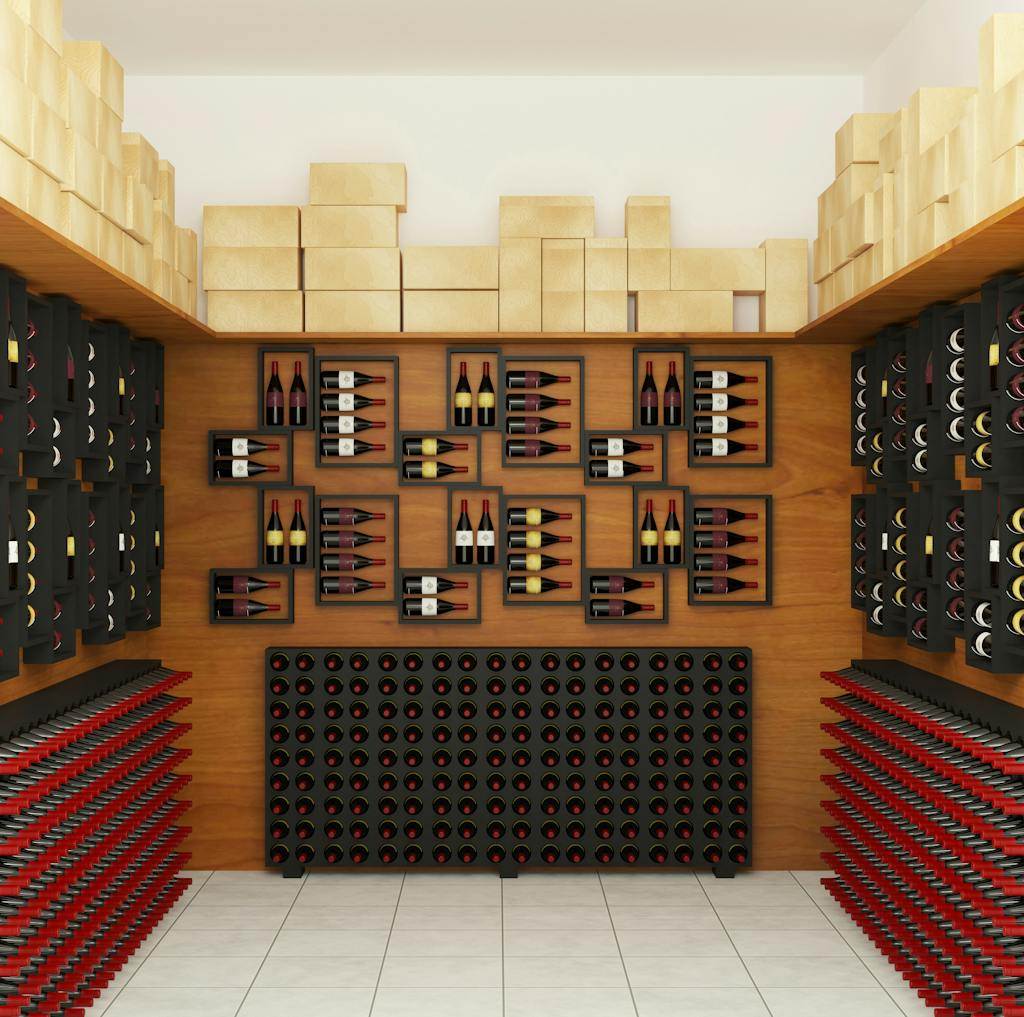
As urban living spaces become increasingly compact, the need for multi-purpose designs in wine cellars has emerged as a significant trend. Wine cellars are no longer just storage spaces; they are being transformed into versatile areas that serve multiple functions. By incorporating features such as tasting rooms, entertainment areas, or even home offices, wine cellars can maximize utility while still providing an aesthetically pleasing environment for wine storage.
This adaptability is particularly appealing to city dwellers who seek to make the most of limited square footage. The design of multi-purpose wine cellars often involves creative use of space and furniture. For instance, foldable tables and modular seating can be integrated into the cellar design, allowing for easy transformation from a storage area to a social gathering space.
Additionally, incorporating built-in shelving and cabinetry can provide ample storage for both wine and other essentials, ensuring that the space remains organized and functional. This innovative approach not only enhances the usability of the cellar but also creates a unique atmosphere where wine enthusiasts can gather and share their passion.
Artistic Wine Cellar Displays: Blurring the Line Between Function and Aesthetics
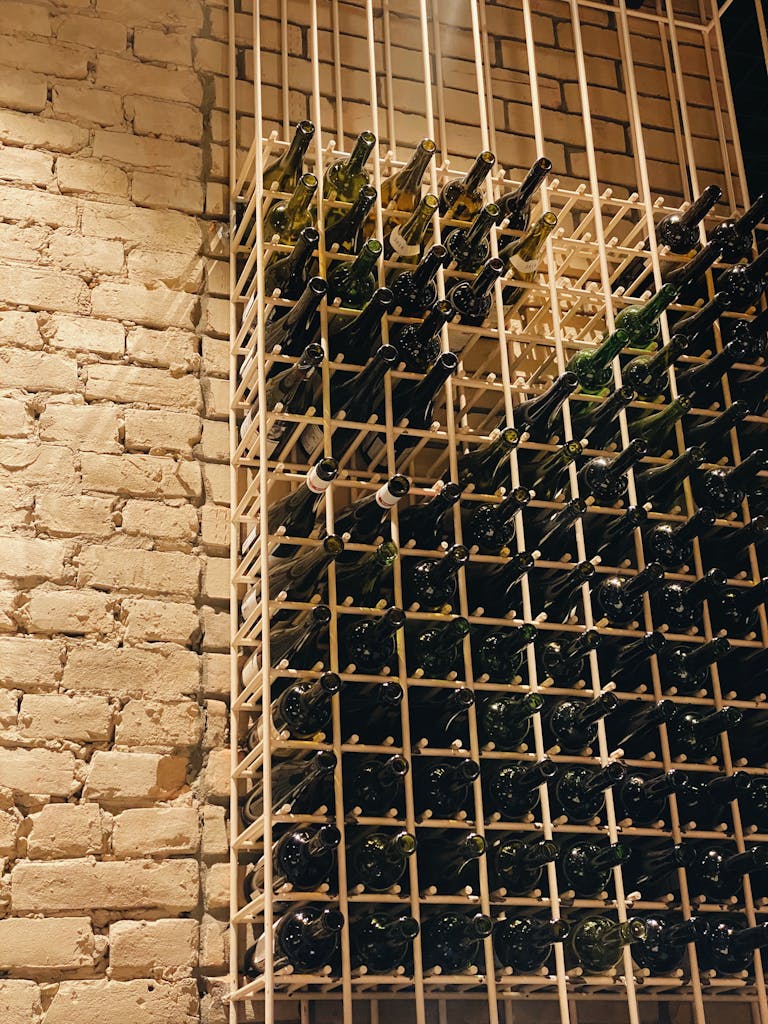
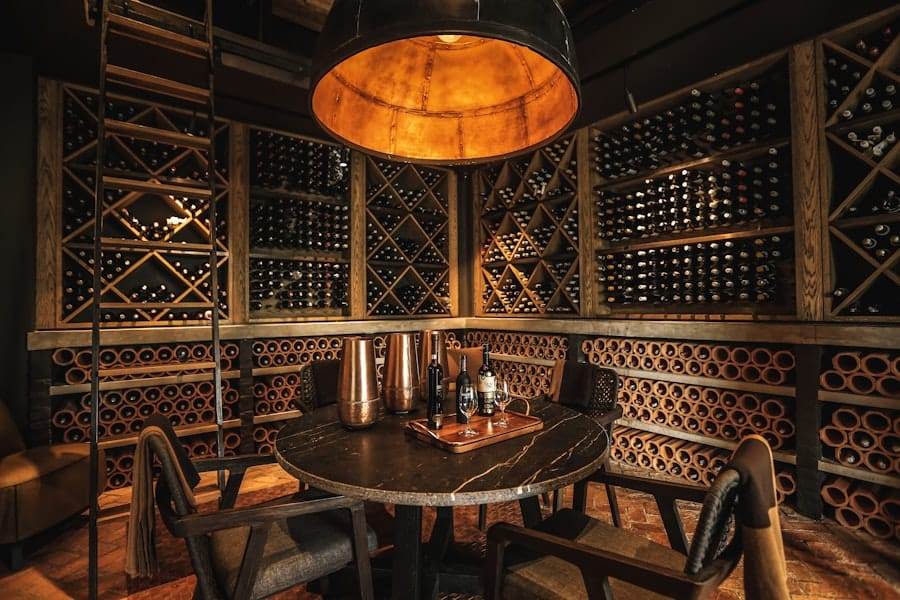
Artistic wine cellar displays have become a focal point in modern design, where functionality meets creativity. Wine cellars are no longer merely utilitarian spaces; they are now canvases for artistic expression. Designers are increasingly incorporating unique shelving solutions, custom lighting, and eye-catching materials to create visually stunning displays that showcase wine collections as works of art.
This trend allows collectors to express their personal style while also enhancing the overall ambiance of the cellar. The use of artistic elements in wine cellars can take many forms. For example, custom-designed racks made from unconventional materials can serve as both storage solutions and conversation starters.
Additionally, strategic lighting can highlight specific bottles or sections of the collection, creating a dramatic effect that draws attention to the wines on display. By blurring the line between function and aesthetics, artistic wine cellar designs elevate the experience of wine storage into an immersive journey that celebrates both the beverage and its presentation.
Underground Wine Cellars: Utilizing Space and Temperature Control
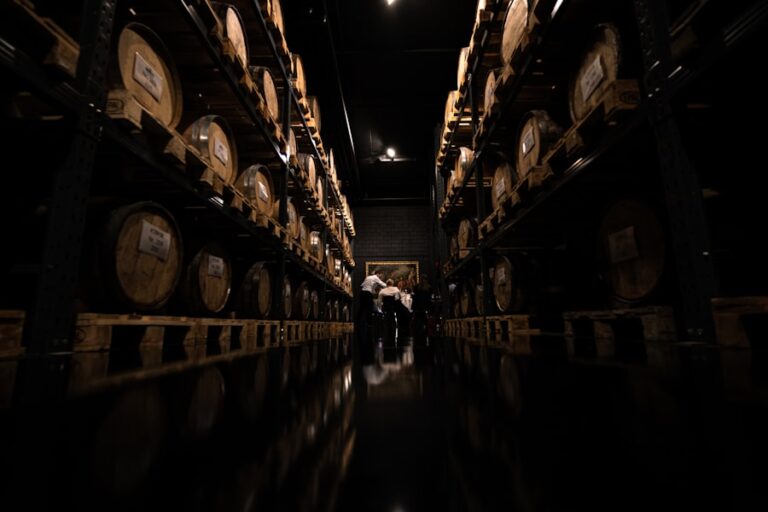
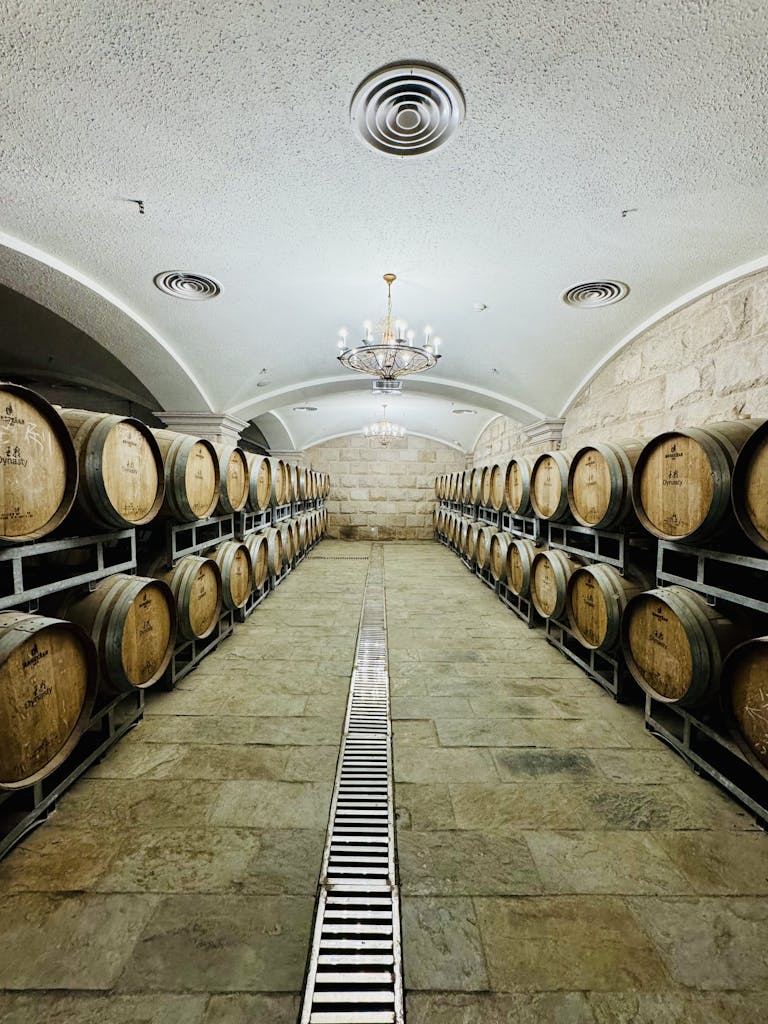
Underground wine cellars have gained popularity as an innovative solution for maximizing space while maintaining optimal storage conditions. By utilizing subterranean areas, these cellars take advantage of natural insulation provided by the earth, which helps regulate temperature and humidity levels essential for preserving wine quality. This natural climate control reduces reliance on mechanical systems, making underground cellars an eco-friendly option for wine enthusiasts.
The design possibilities for underground wine cellars are vast. These spaces can be customized to include tasting areas, lounge spaces, or even small kitchens for entertaining guests. The unique ambiance created by being underground adds an element of intrigue and exclusivity to the experience of enjoying wine.
Furthermore, incorporating natural elements such as stone walls or wooden beams can enhance the aesthetic appeal while maintaining a rustic charm that complements the essence of wine culture.
Customized Wine Cellar Designs: Catering to Individual Tastes and Collections
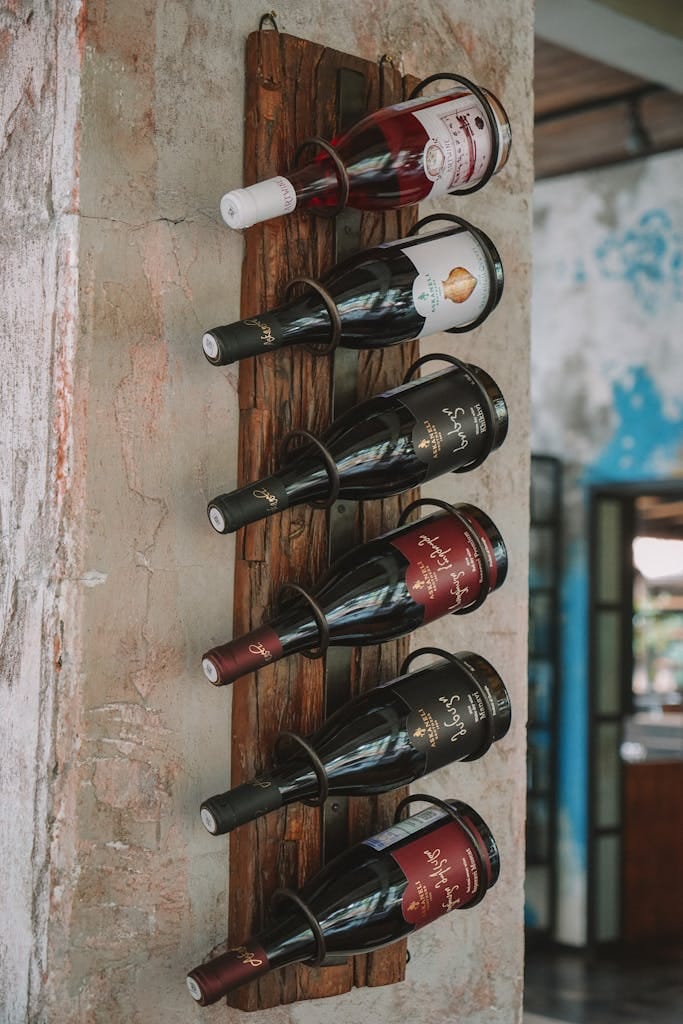
One of the most significant trends in modern wine cellar design is customization. Every wine collector has unique preferences and requirements based on their collection size, types of wines, and personal style. Customized designs allow for tailored solutions that cater specifically to these individual tastes.
From bespoke shelving units to personalized climate control systems, every aspect of a custom wine cellar can be designed to meet the specific needs of its owner. The process of creating a customized wine cellar often begins with a thorough consultation between the designer and the client. This collaboration ensures that every detail is considered, from layout and materials to lighting and accessibility.
By taking into account factors such as collection size and future growth potential, designers can create spaces that not only accommodate current needs but also allow for expansion over time. This level of personalization ensures that each wine cellar is a true reflection of its owner’s passion for wine.
Social Wine Cellar Spaces: Creating Gathering Areas for Wine Enthusiasts
Wine cellars are increasingly being designed as social spaces where enthusiasts can gather to share their love for wine. These social wine cellar spaces often incorporate comfortable seating areas, tasting tables, and even bar setups to facilitate entertaining guests. By creating an inviting atmosphere within the cellar, collectors can transform their storage areas into vibrant gathering spots that encourage social interaction and exploration of different wines.
The design of social wine cellar spaces often emphasizes comfort and accessibility. Thoughtful layouts allow for easy movement between different areas while ensuring that guests can engage with one another seamlessly. Additionally, incorporating features such as sound systems or ambient lighting can enhance the overall experience, making it more enjoyable for everyone involved.
By prioritizing social interaction within wine cellars, designers are redefining how these spaces are perceived—transforming them from mere storage areas into lively hubs for connection and celebration.
Virtual Wine Cellar Experiences: Bringing the Cellar to the Digital Age
As technology continues to advance, virtual experiences are becoming an integral part of how we interact with our passions—including wine collecting. Virtual wine cellar experiences allow enthusiasts to explore their collections digitally through interactive platforms that provide detailed information about each bottle. This innovation not only enhances accessibility but also offers a new way for collectors to engage with their wines without being physically present in their cellars.
These virtual experiences can include features such as 3D tours of personalized cellars or augmented reality applications that provide insights into specific bottles when scanned with a smartphone. Such technology allows collectors to share their collections with friends or family members who may not be able to visit in person. Furthermore, virtual platforms can facilitate online tastings or educational sessions led by experts in the field, enriching the overall experience of wine appreciation in ways previously unimaginable.
As we embrace this digital age, virtual wine cellar experiences are set to redefine how we connect with our collections and share our passion for wine with others.
FAQs
What are the current trends in San Francisco wine cellar design in 2025?
In 2025, the current trends in San Francisco wine cellar design include sustainable and eco-friendly materials, smart technology integration, multi-functional spaces, and personalized design elements.
What sustainable and eco-friendly materials are popular in wine cellar design?
Popular sustainable and eco-friendly materials in wine cellar design include reclaimed wood, recycled glass, natural stone, and energy-efficient lighting and cooling systems.
How is smart technology being integrated into wine cellar design?
Smart technology is being integrated into wine cellar design through features such as climate control systems, inventory management software, remote monitoring and control, and interactive wine tasting experiences.
What are some examples of multi-functional wine cellar spaces?
Multi-functional wine cellar spaces may include wine tasting areas, entertainment spaces, home office or study areas, and integrated storage for wine-related accessories and equipment.
How are personalized design elements being incorporated into wine cellar design?
Personalized design elements in wine cellar design may include custom wine racks, personalized wine labels, unique lighting fixtures, and custom-built tasting tables or bars.