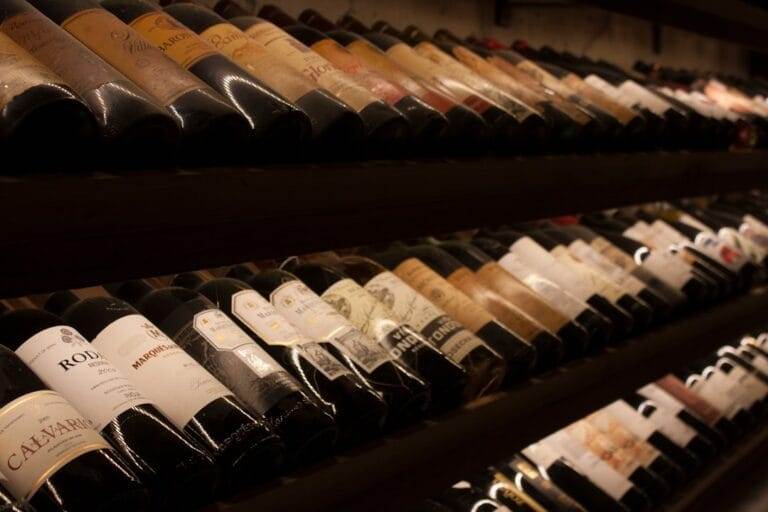

Wine cooling accessories play a crucial role in preserving the quality and integrity of wine. The delicate balance of temperature, humidity, and light exposure can significantly affect the taste and aroma of wine. Proper cooling ensures that the wine is stored at optimal temperatures, which is essential for both short-term enjoyment and long-term aging.
When wine is subjected to fluctuating temperatures or excessive heat, it can lead to premature aging or spoilage, ultimately diminishing the experience for the consumer. Therefore, investing in quality wine cooling accessories is not just a matter of convenience; it is a necessity for any serious wine enthusiast. Moreover, wine cooling accessories contribute to the overall aesthetic and functionality of a wine cellar.
A well-designed cooling system not only maintains the ideal environment for wine storage but also enhances the visual appeal of the space. In a city like San Francisco, where many residents take pride in their wine collections, having the right cooling accessories can elevate the entire experience of wine appreciation. Whether it’s a sleek wine fridge or specialized cooling units, these accessories ensure that wine is always ready to be enjoyed at its best.
Types of Wine Cooling Accessories
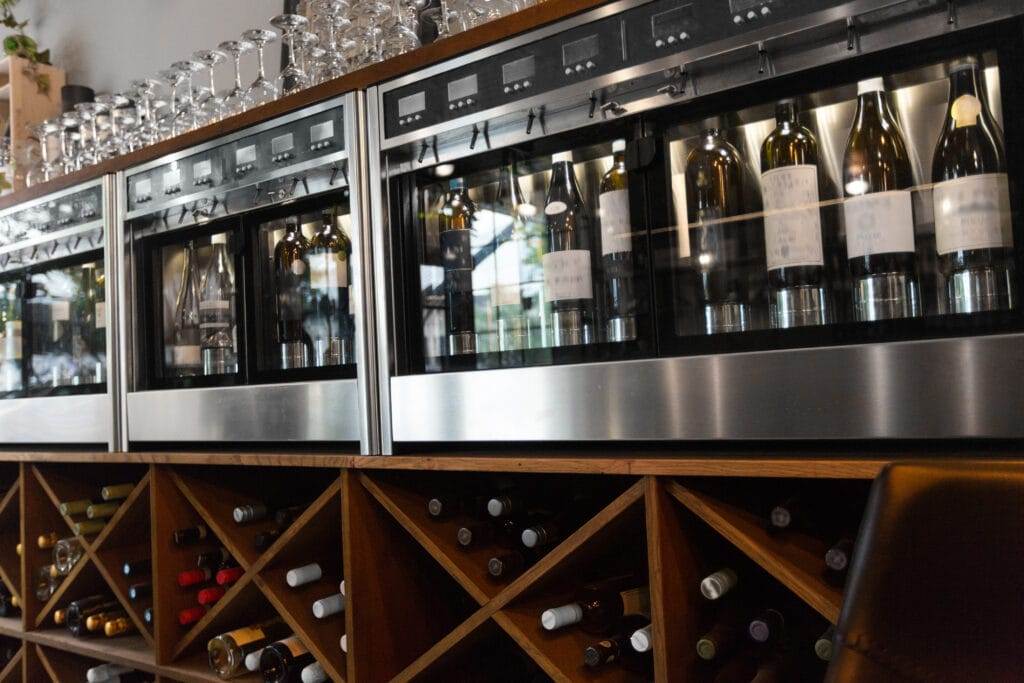
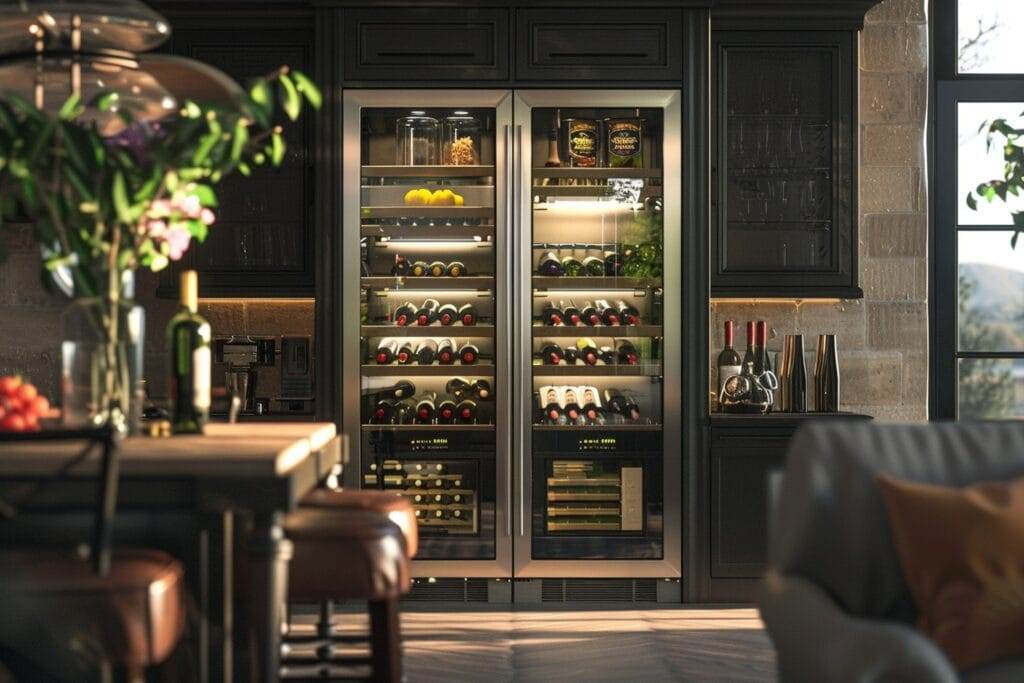
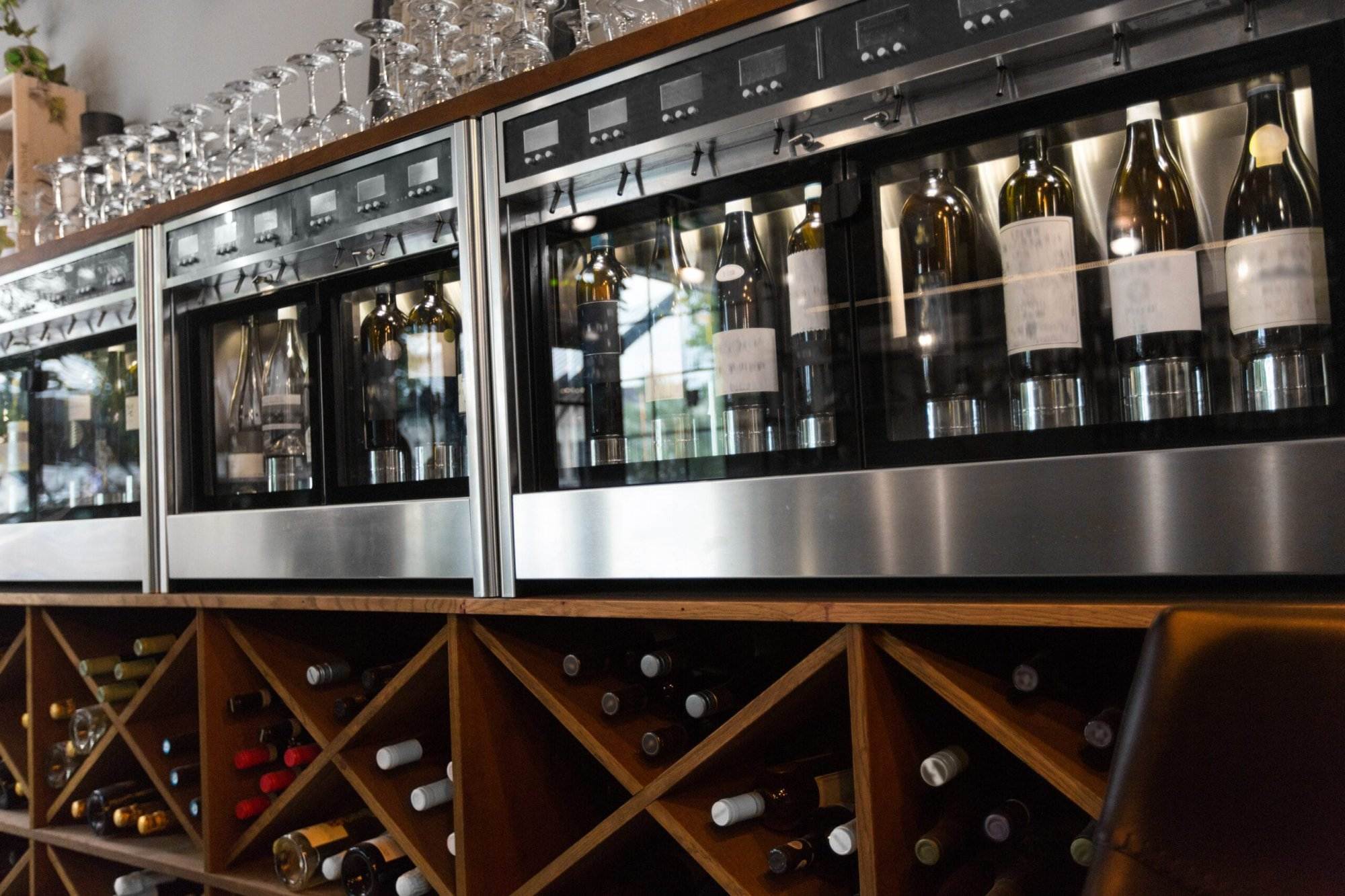
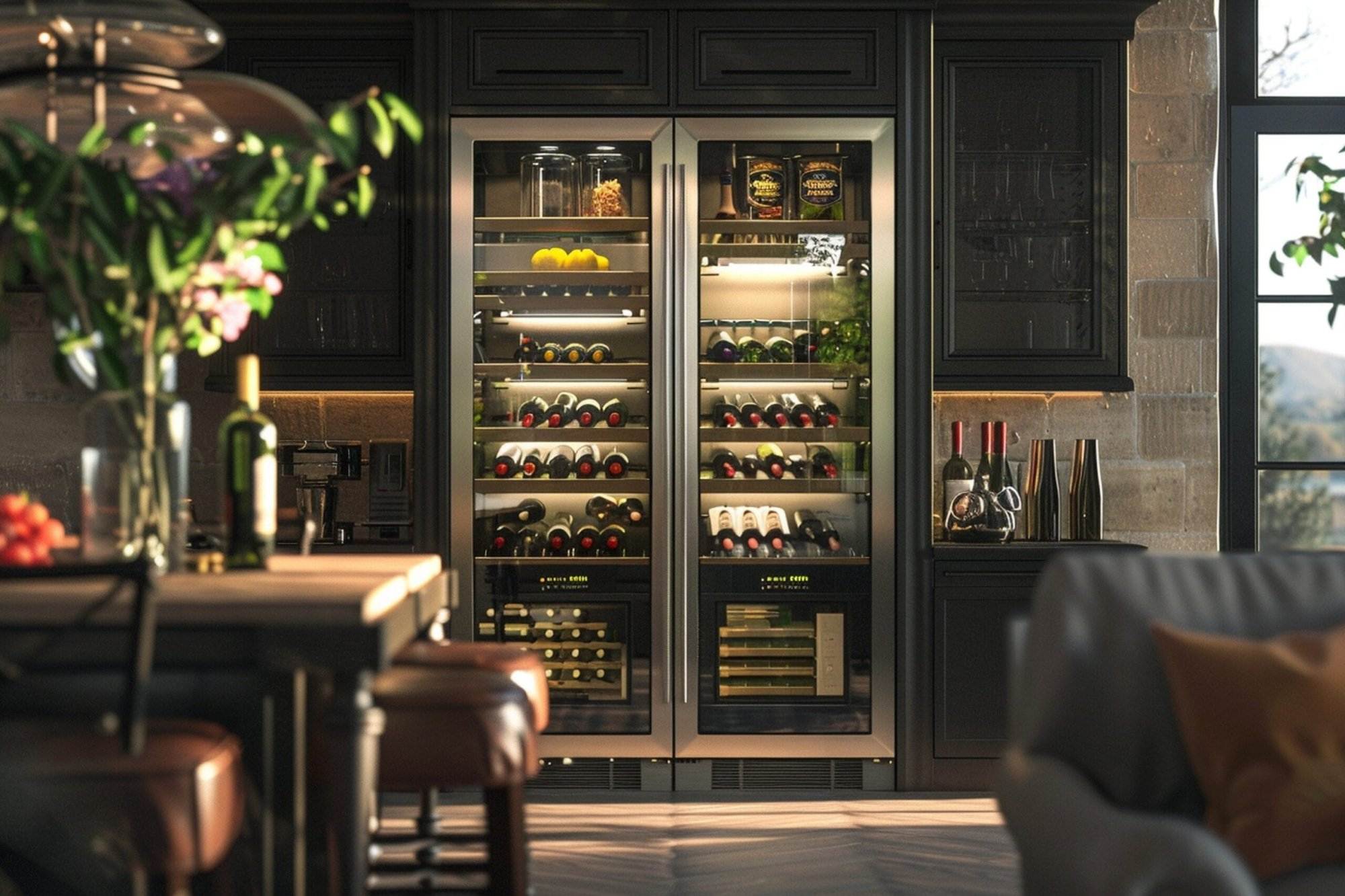
There are several types of wine cooling accessories available, each designed to meet specific needs and preferences. One of the most common types is the wine refrigerator, which provides a controlled environment for storing bottles. These refrigerators come in various sizes and styles, allowing collectors to choose one that fits their space and collection size.
Many models feature adjustable temperature settings, ensuring that red, white, and sparkling wines can be stored at their ideal temperatures. Another essential accessory is the wine cooler sleeve, which is perfect for those who want to chill a bottle quickly before serving. These sleeves are typically made from insulated materials and can be placed in the freezer for a short period before being wrapped around the bottle.
This accessory is particularly useful for impromptu gatherings or when hosting guests, as it allows for rapid cooling without the need for bulky equipment. Additionally, there are also thermoelectric coolers that use electricity to maintain a consistent temperature without the vibrations associated with traditional compressors, making them ideal for delicate wines.
Factors to Consider when Choosing Wine Cooling Accessories
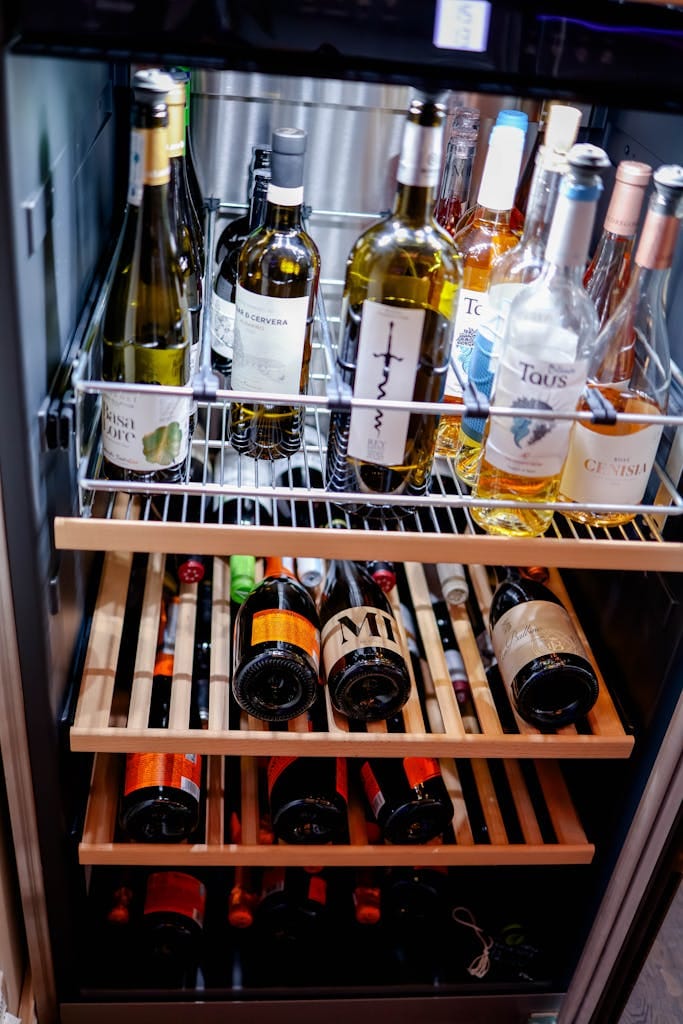
When selecting wine cooling accessories, several factors should be taken into account to ensure optimal performance and satisfaction. First and foremost is the size of the collection. A small collection may only require a compact wine fridge or a few cooling sleeves, while larger collections will necessitate more extensive cooling solutions.
It’s essential to assess both current needs and future growth when making this decision. Another critical factor is the climate of the storage area. In San Francisco, where temperatures can fluctuate significantly, choosing accessories that can maintain consistent conditions is vital.
For instance, if a wine cellar is located in a warmer part of the home, investing in a high-quality wine refrigerator with advanced temperature control features becomes even more important. Additionally, humidity levels should also be considered; some cooling systems come equipped with humidity control features that help prevent corks from drying out and spoiling the wine.
Best Wine Cooling Accessories for San Francisco Wine Cellars
For those with wine cellars in San Francisco, certain cooling accessories stand out as particularly effective. One of the top choices is a dual-zone wine refrigerator, which allows for separate temperature settings for red and white wines. This feature is especially beneficial for collectors who enjoy a variety of wines and want to ensure each type is stored at its optimal temperature.
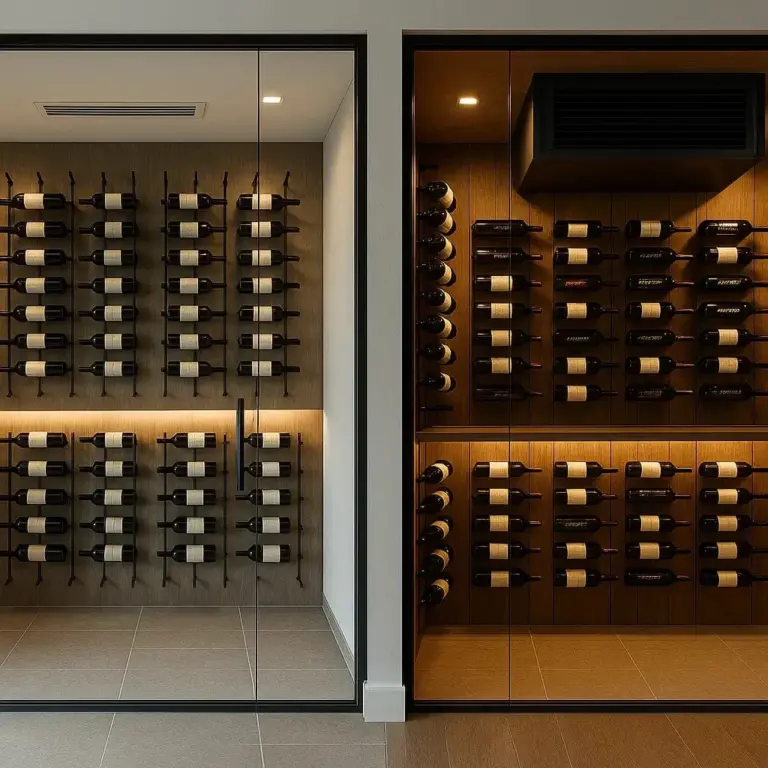
Another excellent option is a wine cellar cooling unit designed specifically for built-in installations. These units are engineered to fit seamlessly into existing cabinetry while providing powerful cooling capabilities. They often come with advanced features such as digital displays and remote controls, allowing users to monitor and adjust settings easily.
Additionally, investing in high-quality insulation for the cellar itself can enhance the efficiency of these cooling units, ensuring that they operate effectively even during warmer months.
Proper Maintenance and Care for Wine Cooling Accessories
Maintaining wine cooling accessories is essential for ensuring their longevity and effectiveness. Regular cleaning is one of the most important aspects of care. Dust and debris can accumulate on vents and filters, obstructing airflow and causing the unit to work harder than necessary.
It’s advisable to clean these components every few months to maintain optimal performance. In addition to cleaning, monitoring temperature and humidity levels is crucial. Many modern wine coolers come equipped with digital displays that allow users to keep track of these factors easily.
Regularly checking these readings can help identify any potential issues before they become significant problems. If fluctuations are detected, it may be necessary to recalibrate the unit or consult with a professional to ensure everything is functioning correctly.
Common Mistakes to Avoid when Using Wine Cooling Accessories
Avoid Overcrowding
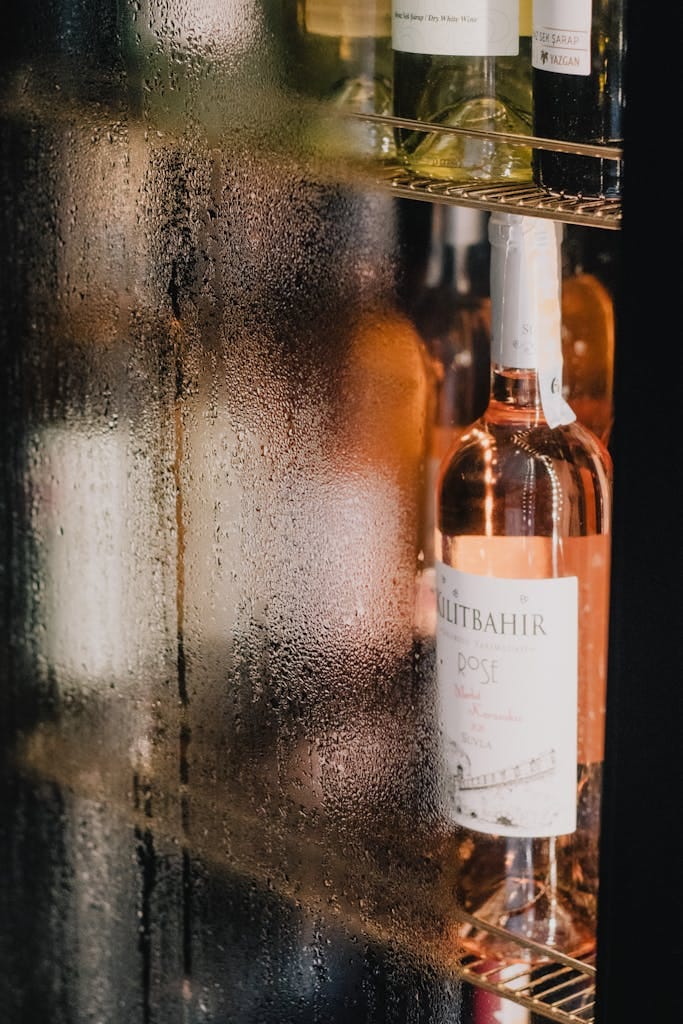
One common error is overcrowding the storage space. While it may be tempting to maximize capacity by cramming in as many bottles as possible, this can restrict airflow and lead to uneven cooling. It’s essential to allow adequate space between bottles to ensure that each one receives proper ventilation.
Temperature Control is Key
Another mistake is neglecting to set the correct temperature for different types of wine. Many enthusiasts may not realize that red wines typically require warmer storage temperatures than whites or sparkling wines. Failing to adjust settings accordingly can result in subpar tasting experiences.
Know Your Wine’s Ideal Storage Temperature
It’s crucial to familiarize oneself with the ideal storage temperatures for various wines and adjust the cooling unit accordingly. By doing so, you can ensure that your wine collection is stored in optimal conditions, preserving its flavor and aroma.
Innovative Wine Cooling Accessories for San Francisco Wine Cellars
Innovation in wine cooling technology has led to the development of several exciting accessories that enhance the storage experience. One such innovation is smart wine coolers equipped with Wi-Fi connectivity. These units allow users to monitor and control temperature settings remotely via smartphone apps, providing peace of mind even when away from home.
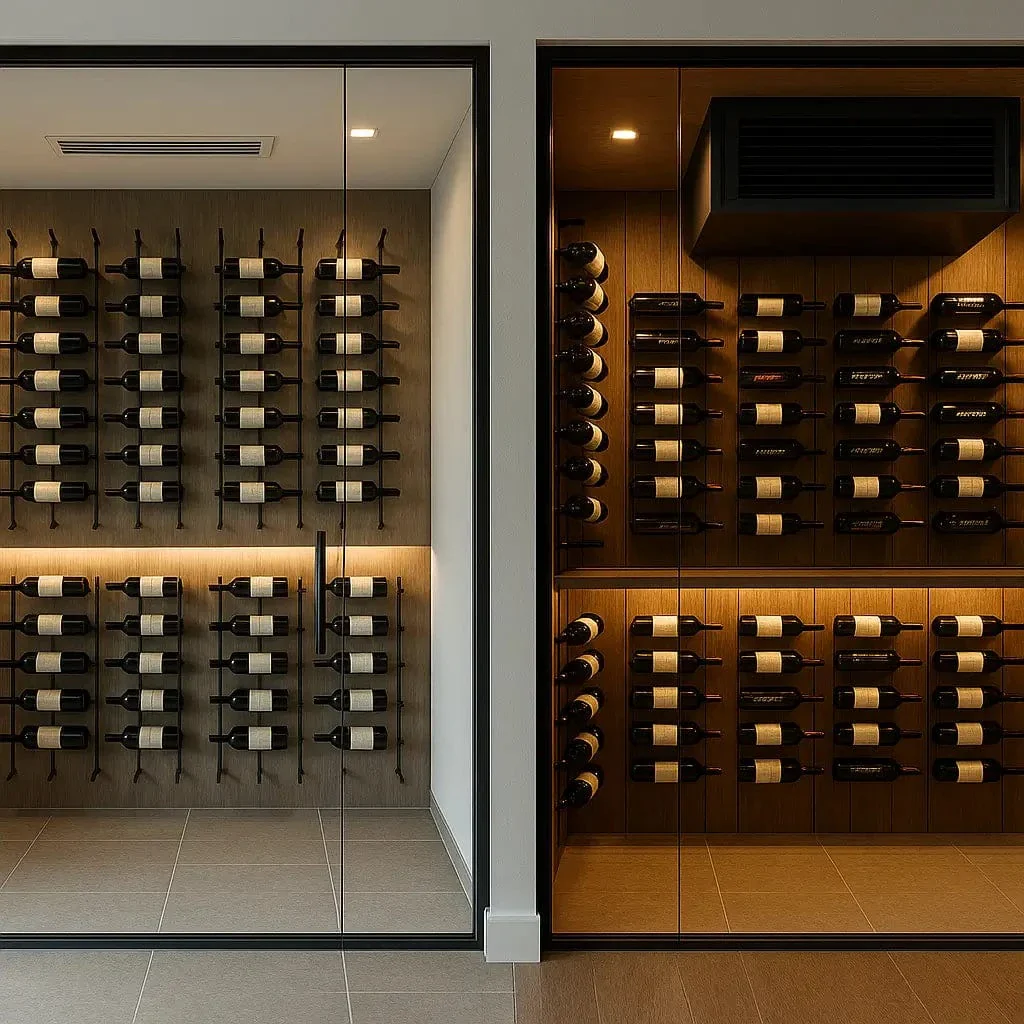
Another noteworthy advancement is the introduction of modular wine racks with built-in cooling capabilities. These racks not only provide an aesthetically pleasing way to display bottles but also incorporate cooling technology that maintains optimal conditions for each bottle stored within them. This dual functionality makes them an attractive option for those looking to combine style with practicality in their San Francisco wine cellars.
Tips for Maximizing the Efficiency of Wine Cooling Accessories
To maximize the efficiency of wine cooling accessories, several practical tips can be implemented. First, placing the unit in an appropriate location is vital; it should be away from direct sunlight and heat sources such as radiators or ovens. This positioning helps maintain consistent internal temperatures without overworking the unit.
Additionally, regularly checking door seals for any gaps or wear can prevent cold air from escaping and warm air from entering. Ensuring that seals are intact will help maintain optimal conditions inside the cooler or refrigerator. Lastly, keeping an eye on inventory levels can also aid efficiency; knowing when to restock or rearrange bottles can help maintain airflow and ensure that each bottle remains at its ideal temperature.
In conclusion, investing in quality wine cooling accessories is essential for any serious collector or enthusiast in San Francisco. By understanding their importance, exploring various types available, considering key factors when choosing them, and maintaining them properly, individuals can enhance their wine storage experience significantly. With innovative options continually emerging in this field, there has never been a better time to explore how these accessories can elevate one’s appreciation of fine wines.
FAQs
What are essential wine cooling accessories for San Francisco wine cellars?
Essential wine cooling accessories for San Francisco wine cellars include a wine cellar cooling unit, a temperature and humidity monitor, insulated wine cellar doors, and thermal insulation for the walls and ceiling.
Why is a wine cellar cooling unit important for San Francisco wine cellars?
A wine cellar cooling unit is important for San Francisco wine cellars because it helps maintain the ideal temperature and humidity levels for storing and aging wine, which is crucial in the city’s fluctuating climate.
What is the purpose of a temperature and humidity monitor in a San Francisco wine cellar?
A temperature and humidity monitor is essential in a San Francisco wine cellar to ensure that the environment is consistently within the optimal range for wine storage, which is typically around 55-58°F and 55-75% humidity.
Why are insulated wine cellar doors necessary for San Francisco wine cellars?
Insulated wine cellar doors are necessary for San Francisco wine cellars to prevent temperature fluctuations and maintain the ideal conditions inside the cellar, as well as to provide a tight seal to keep out unwanted odors and pests.
How does thermal insulation benefit San Francisco wine cellars?
Thermal insulation benefits San Francisco wine cellars by helping to regulate the temperature and humidity levels, as well as to prevent heat transfer from the surrounding environment, which is especially important in a city with varying weather patterns.