
Constructing a wine cellar is an intricate process that requires a solid understanding of both the technical and aesthetic aspects involved. At its core, a wine cellar serves as a controlled environment designed to preserve the quality and integrity of wine. The primary factors to consider include temperature, humidity, light exposure, and vibration.
Each of these elements plays a crucial role in ensuring that wine ages gracefully, allowing it to develop its full flavor profile over time. A well-constructed wine cellar not only protects your investment but also enhances the overall experience of wine collection and enjoyment. The construction process begins with a clear vision of what the wine cellar will look like and how it will function.
This involves determining the size and layout of the space, as well as the specific features that will be included. Whether it’s a small nook in a home or a larger dedicated room, understanding the basics of wine cellar construction is essential for creating an effective storage solution. Factors such as insulation, ventilation, and accessibility must be carefully considered to ensure that the cellar meets both practical needs and aesthetic desires.


Choosing the Right Location for Your Wine Cellar
Selecting the ideal location for your wine cellar is a critical step in the construction process. The location should be conducive to maintaining stable temperature and humidity levels, which are vital for proper wine storage. Ideally, a wine cellar should be situated in a cool, dark area of the home, away from direct sunlight and heat sources.
Basements are often favored for this purpose due to their naturally cooler temperatures and lower light exposure. However, if a basement is not available, other areas such as closets or under-stair spaces can also be transformed into effective wine storage solutions. In addition to temperature considerations, accessibility is another important factor when choosing a location.
The wine cellar should be easily accessible for regular use while also being discreet enough to maintain an air of exclusivity. A well-placed wine cellar can become a focal point in your home, inviting guests to explore your collection while also serving as a private retreat for personal enjoyment. Ultimately, the chosen location should balance functionality with aesthetics, ensuring that it complements the overall design of your living space.
Designing and Planning Your Custom Wine Cellar
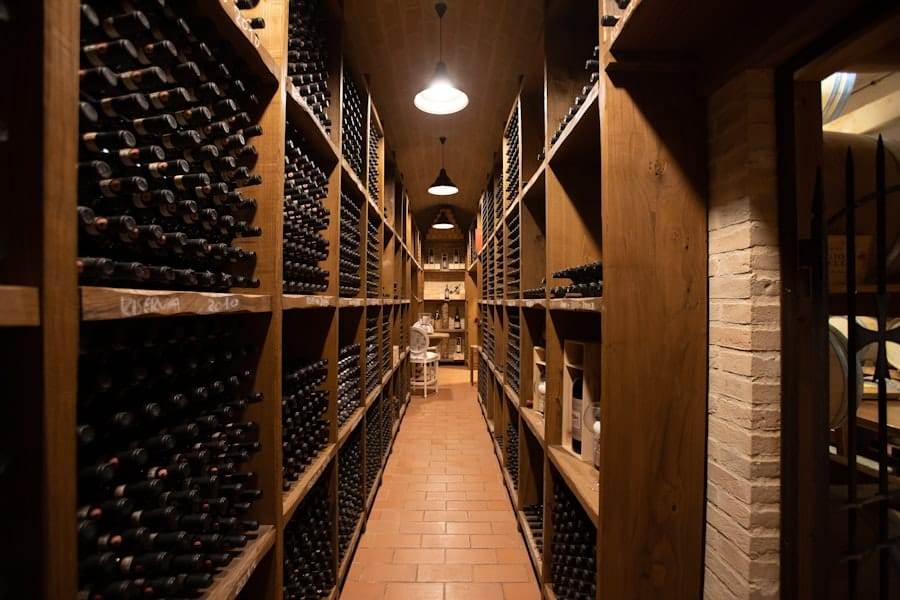
Once the location has been determined, the next step is to design and plan your custom wine cellar. This phase involves creating a blueprint that outlines the layout, dimensions, and features of the space. Consideration should be given to how many bottles you intend to store, as well as any specific requirements for displaying or organizing your collection.
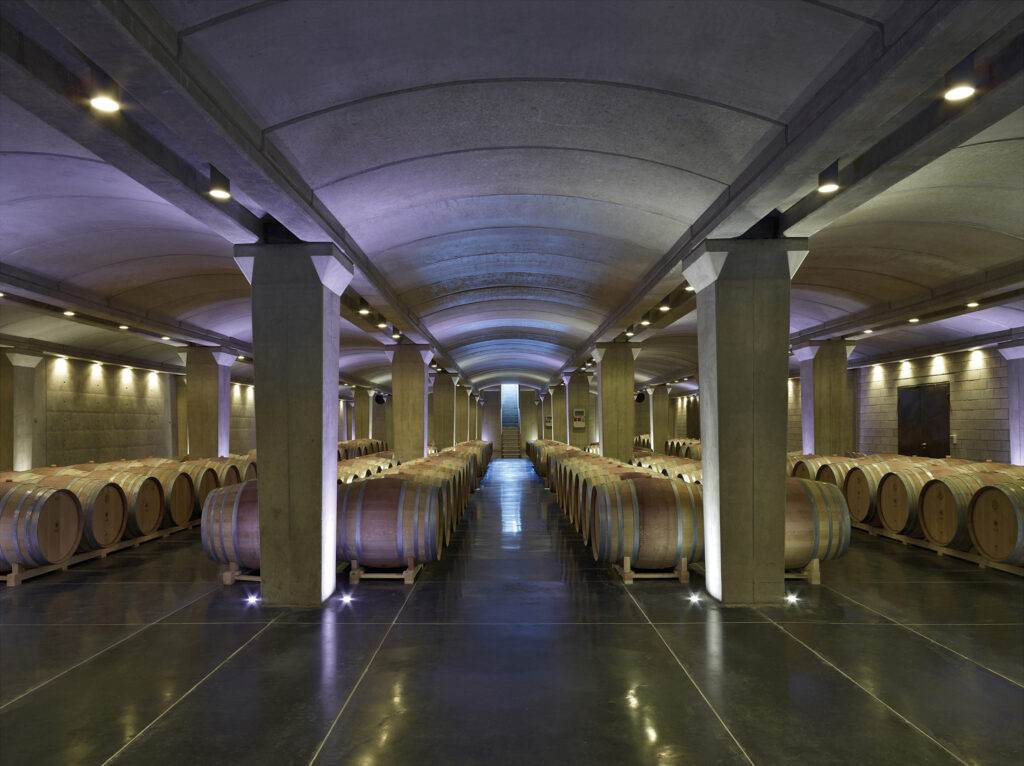
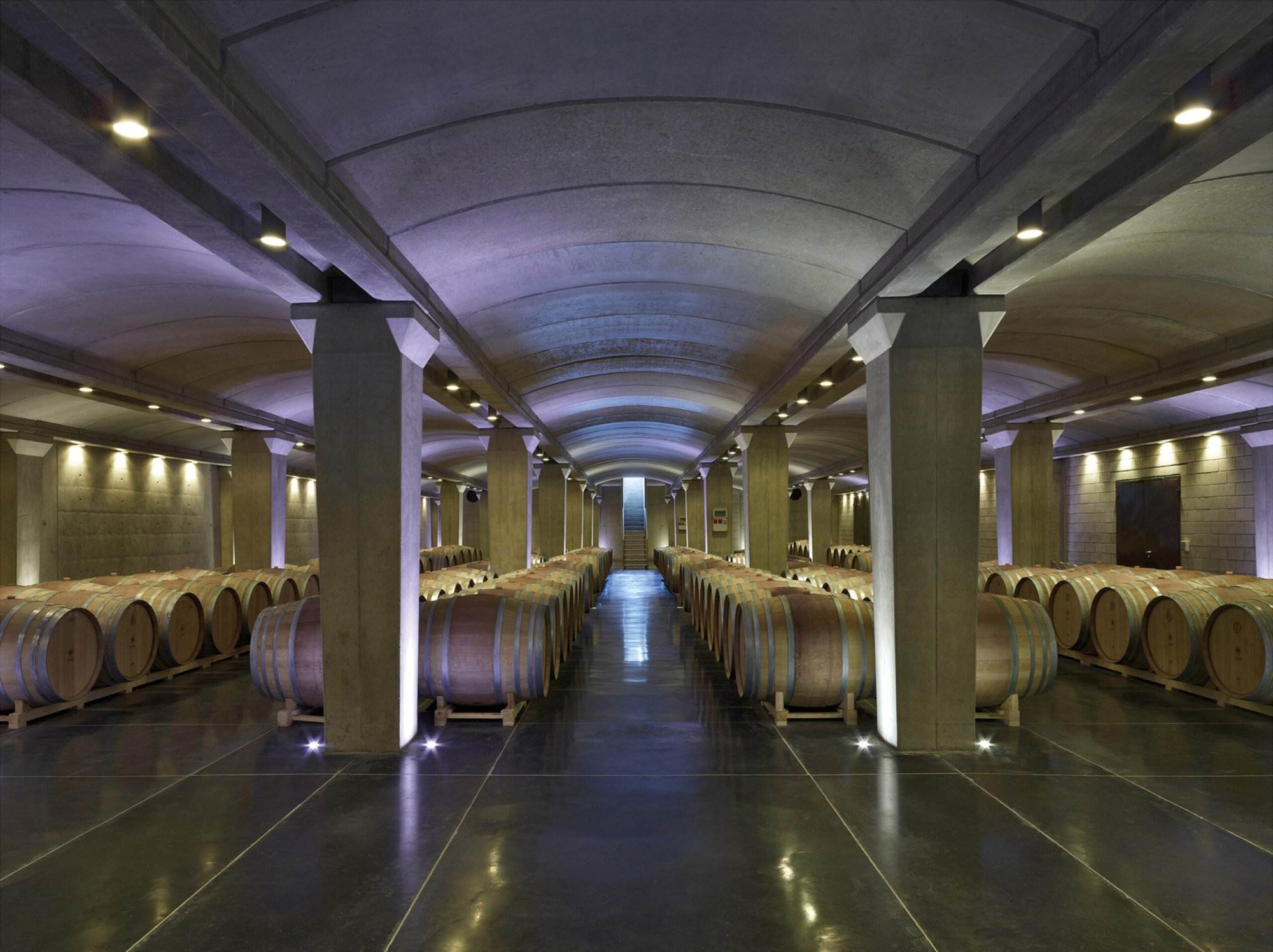
A well-thought-out design will not only maximize storage capacity but also enhance the visual appeal of the cellar. Incorporating elements such as lighting, flooring, and wall finishes can significantly impact the overall ambiance of your wine cellar. Soft, ambient lighting can create an inviting atmosphere while also highlighting your collection.
Additionally, choosing appropriate flooring materials that can withstand potential spills and moisture is essential for maintaining the integrity of the space. The design process should also include considerations for future expansion or modifications, allowing for flexibility as your collection grows over time.
Selecting the Right Materials for Your Wine Cellar
The materials used in constructing your wine cellar play a pivotal role in its functionality and aesthetic appeal. Insulation is one of the most critical components; it helps maintain consistent temperature and humidity levels while preventing external fluctuations from affecting your wine. Common insulation materials include foam board and spray foam, both of which provide excellent thermal resistance.
In addition to insulation, the choice of shelving and racking materials is equally important. Wood is a popular option due to its natural beauty and ability to absorb moisture, which can help regulate humidity levels within the cellar. However, metal racks are also available and can offer a modern aesthetic while providing durability and strength.
Ultimately, selecting materials that align with your design vision while ensuring optimal conditions for wine storage is essential for creating a successful wine cellar.
Installing Climate Control Systems for Proper Wine Storage
A climate control system is vital for maintaining the ideal environment within your wine cellar. Temperature fluctuations can adversely affect the aging process of wine, leading to undesirable flavors and aromas. Most experts recommend keeping wine at a consistent temperature between 55°F and 58°F (13°C to 15°C).
To achieve this, various climate control options are available, including cooling units specifically designed for wine cellars. Humidity control is another critical aspect of climate management. Ideally, humidity levels should be maintained between 50% and 70% to prevent corks from drying out or mold from developing.
Humidifiers or dehumidifiers can be integrated into your climate control system to help achieve these levels. By investing in a reliable climate control system, you can ensure that your wine cellar remains an optimal environment for preserving your collection.
Customizing Your Wine Cellar with Racks and Shelving
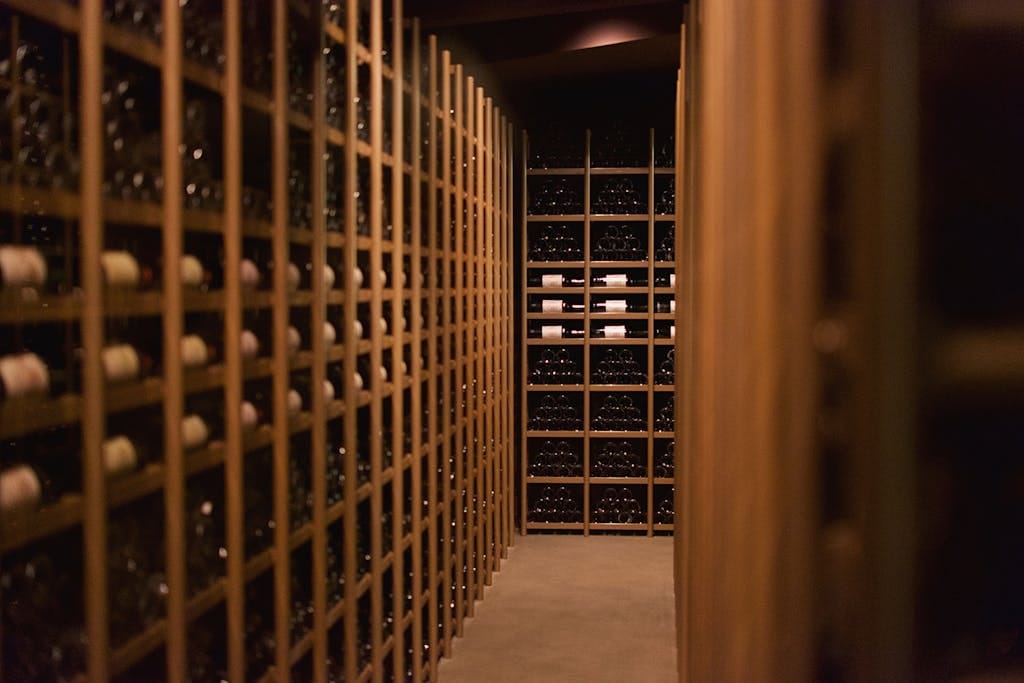
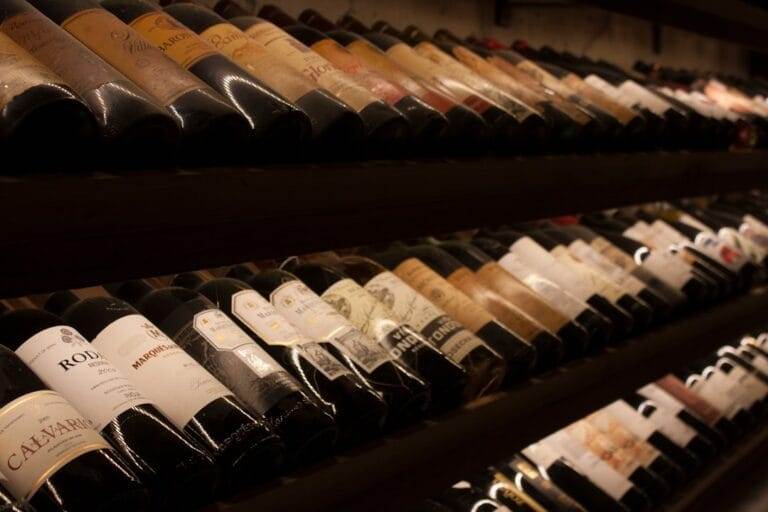
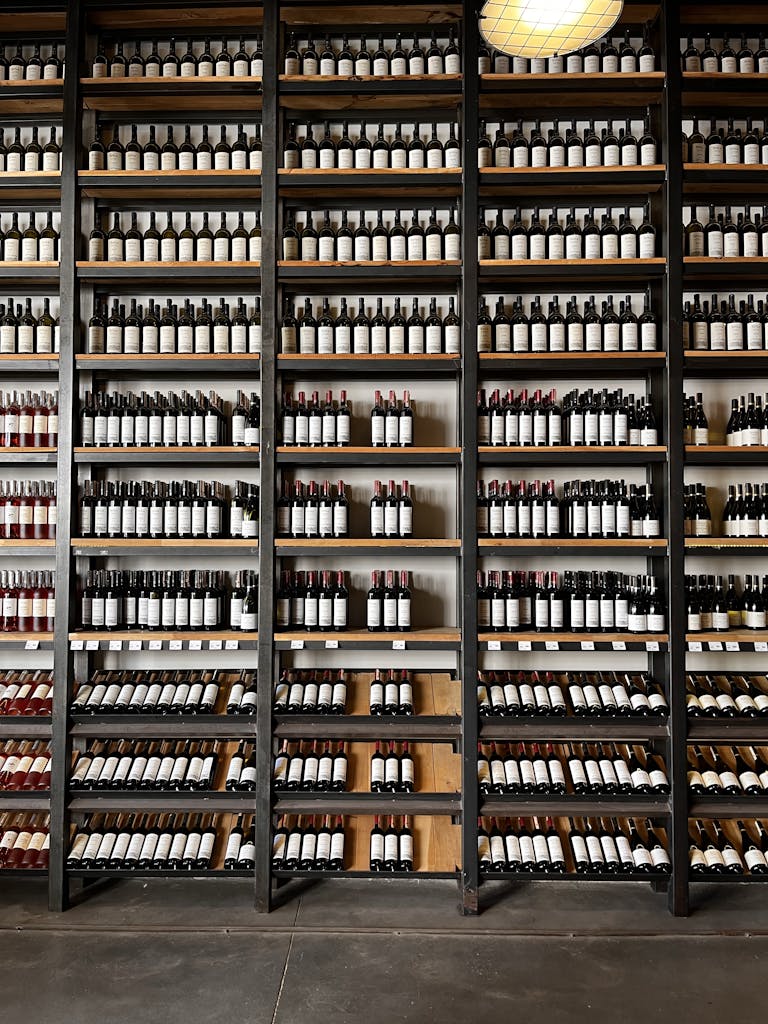
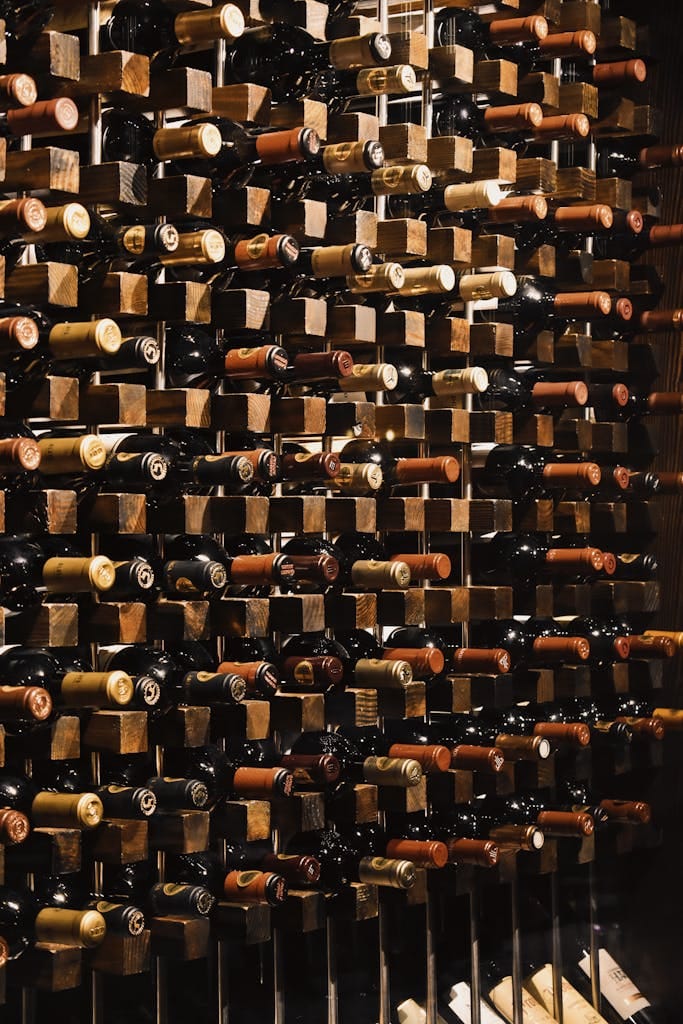
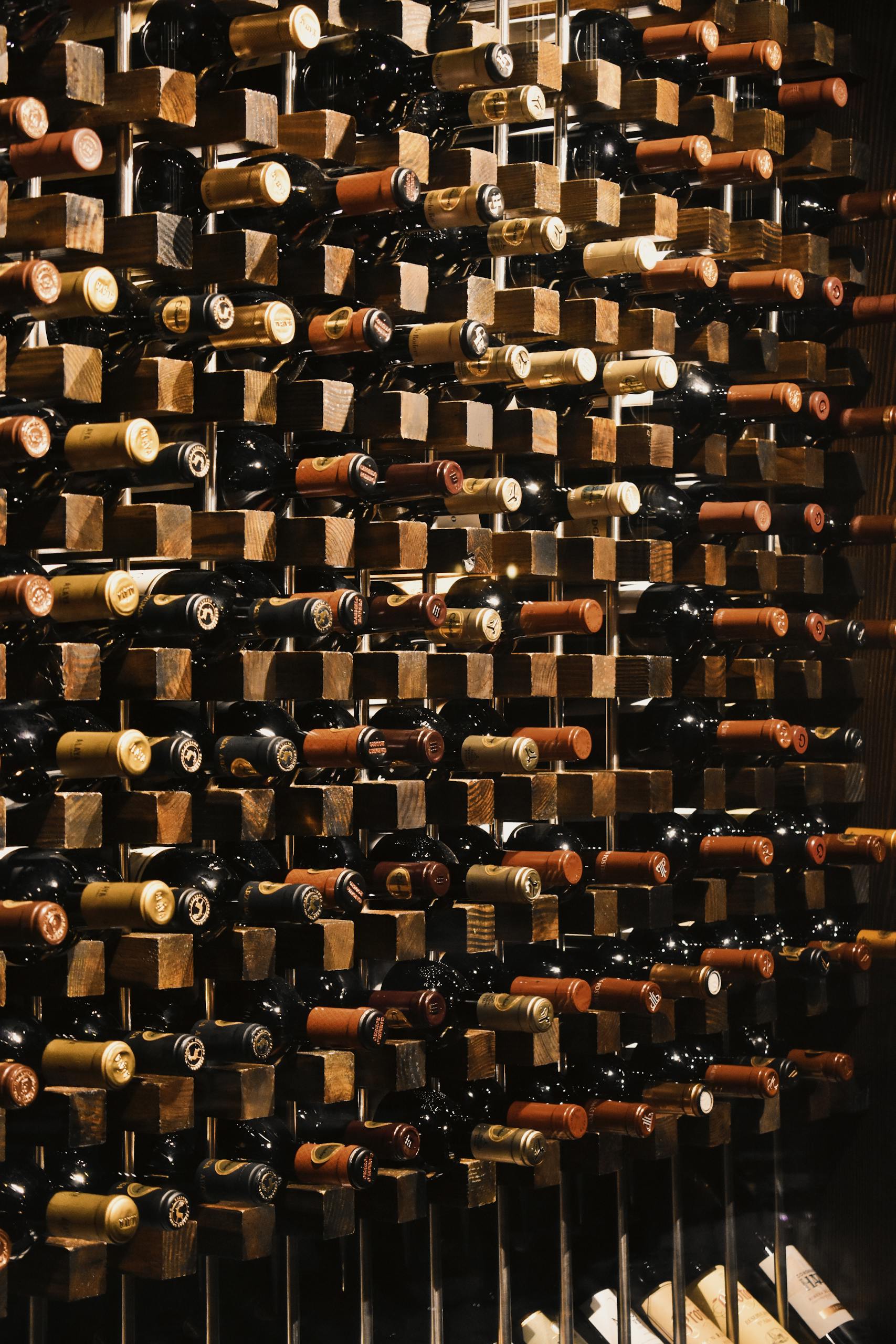
Customizing your wine cellar with racks and shelving is an opportunity to showcase your collection while also maximizing storage efficiency. There are numerous styles and configurations available, ranging from traditional wooden racks to modern metal designs. The choice of racking system should reflect both your personal taste and the overall design theme of the cellar.
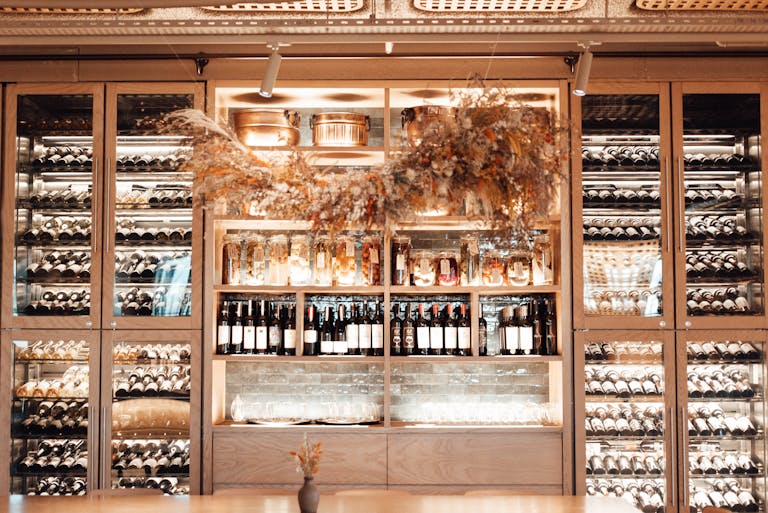
In addition to standard bottle racks, consider incorporating features such as display shelves for showcasing special bottles or vertical storage options for larger formats like magnums. Customization allows you to create a unique space that not only serves its functional purpose but also reflects your personality as a collector. Thoughtful design choices in this area can transform your wine cellar into an impressive display that enhances the enjoyment of your collection.
Hiring Professional Contractors for Wine Cellar Construction
While some may choose to undertake the construction of their wine cellar independently, hiring professional contractors can significantly streamline the process and ensure high-quality results. Experienced contractors bring valuable expertise in areas such as insulation, climate control installation, and custom woodworking. Their knowledge can help avoid common pitfalls that may arise during construction, ultimately saving time and resources.
When selecting contractors for your project, it’s essential to review their portfolios and seek references from previous clients. A reputable contractor will have experience specifically in wine cellar construction and will understand the unique requirements involved in creating an optimal storage environment. Collaborating with professionals can lead to a more efficient construction process and result in a beautifully crafted wine cellar that meets all your needs.
Maintaining and Caring for Your Custom Wine Cellar
Once your custom wine cellar is complete, ongoing maintenance is crucial to ensure its longevity and effectiveness in preserving your collection. Regularly monitoring temperature and humidity levels is essential; investing in digital monitoring systems can provide real-time data and alerts if conditions deviate from optimal ranges. This proactive approach helps prevent potential issues before they affect your wine.
Additionally, periodic cleaning and organization of your wine cellar will enhance both its functionality and aesthetic appeal. Dusting shelves, checking for any signs of mold or damage, and rearranging bottles can keep the space inviting and enjoyable to use. By committing to regular maintenance, you can ensure that your custom wine cellar remains a cherished part of your home for years to come, providing an ideal environment for your prized collection.
FAQs
What are the benefits of building a custom wine cellar in San Francisco?
Building a custom wine cellar in San Francisco allows wine enthusiasts to store and showcase their wine collection in a controlled environment. It also adds value to the property and provides a unique space for entertaining guests.
What are the key considerations when building a custom wine cellar in San Francisco?
Key considerations when building a custom wine cellar in San Francisco include the size and location of the cellar, insulation and climate control, lighting, and the overall design and aesthetic.
What are the legal and building regulations to consider when building a custom wine cellar in San Francisco?
When building a custom wine cellar in San Francisco, it is important to consider local building codes, permits, and regulations related to construction, electrical work, and ventilation to ensure compliance with the law.
What are the different types of custom wine cellar designs available in San Francisco?
Custom wine cellar designs in San Francisco can range from traditional to contemporary, and may include options such as glass-enclosed cellars, underground cellars, and modern racking systems to suit the specific needs and preferences of the owner.
What are the costs associated with building a custom wine cellar in San Francisco?
The costs of building a custom wine cellar in San Francisco can vary depending on factors such as size, materials, insulation, climate control, and design. It is recommended to consult with a professional to get an accurate estimate based on specific requirements.