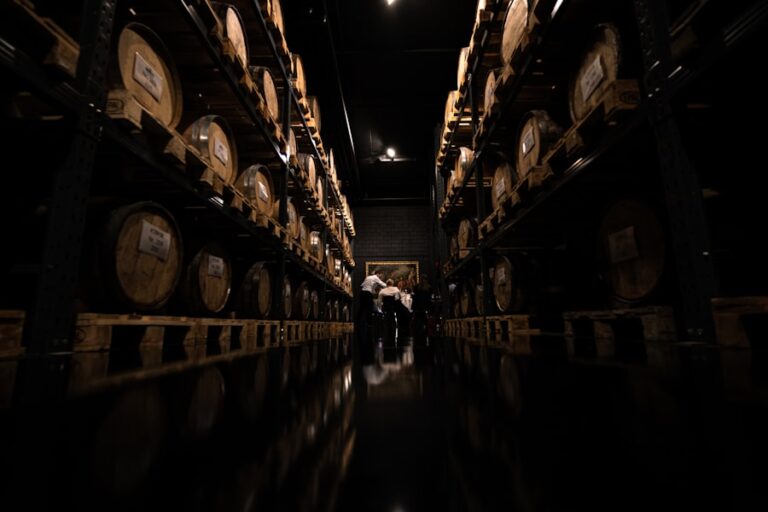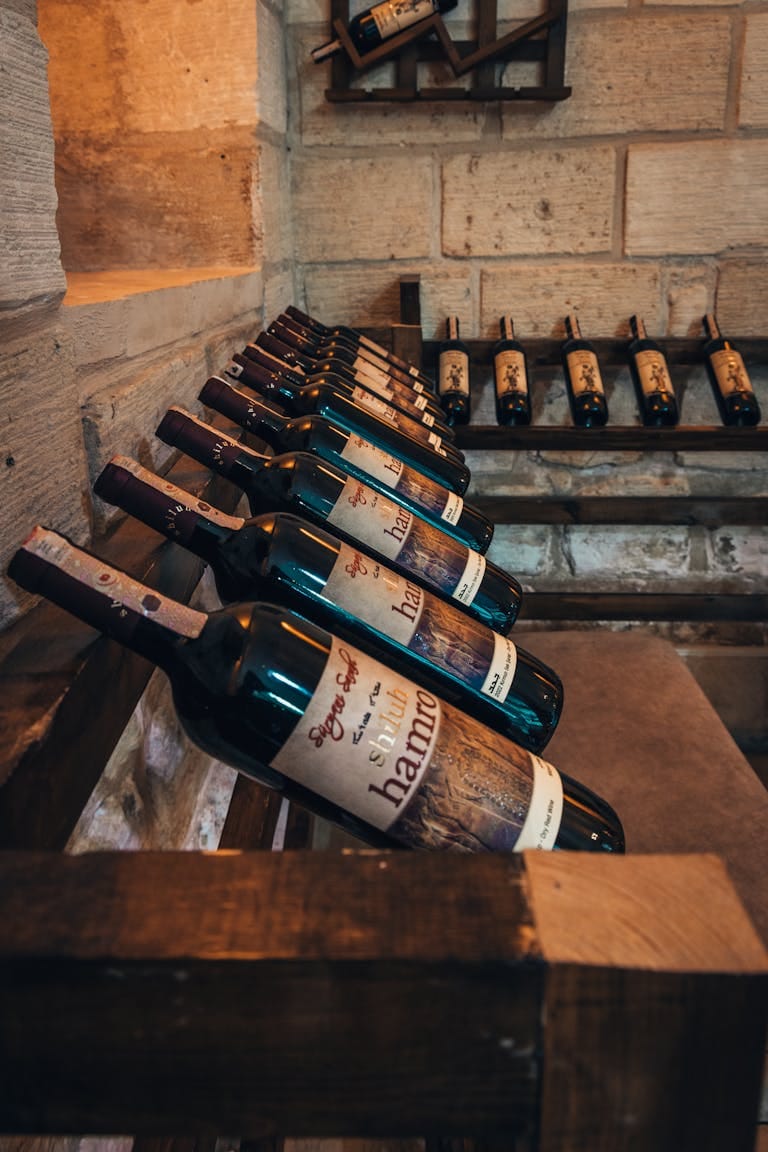

Wine storage is a critical aspect of wine appreciation and collection. Proper storage conditions can significantly influence the quality and longevity of wine. When wine is stored incorrectly, it can lead to spoilage, resulting in a loss of flavor, aroma, and overall enjoyment.
Factors such as temperature fluctuations, exposure to light, and humidity levels can all adversely affect the wine’s integrity. Therefore, understanding the importance of wine storage is essential for both casual drinkers and serious collectors alike. A well-designed wine storage solution not only preserves the wine but also enhances the overall experience of wine tasting.
The right environment allows the wine to mature gracefully, developing complex flavors and aromas over time. For collectors, this means that their investment can appreciate in value, while for enthusiasts, it ensures that every bottle opened is at its peak quality. Thus, investing in proper wine storage is not merely a practical decision; it is a commitment to enjoying wine at its finest.
Evaluating the Size and Capacity Needed
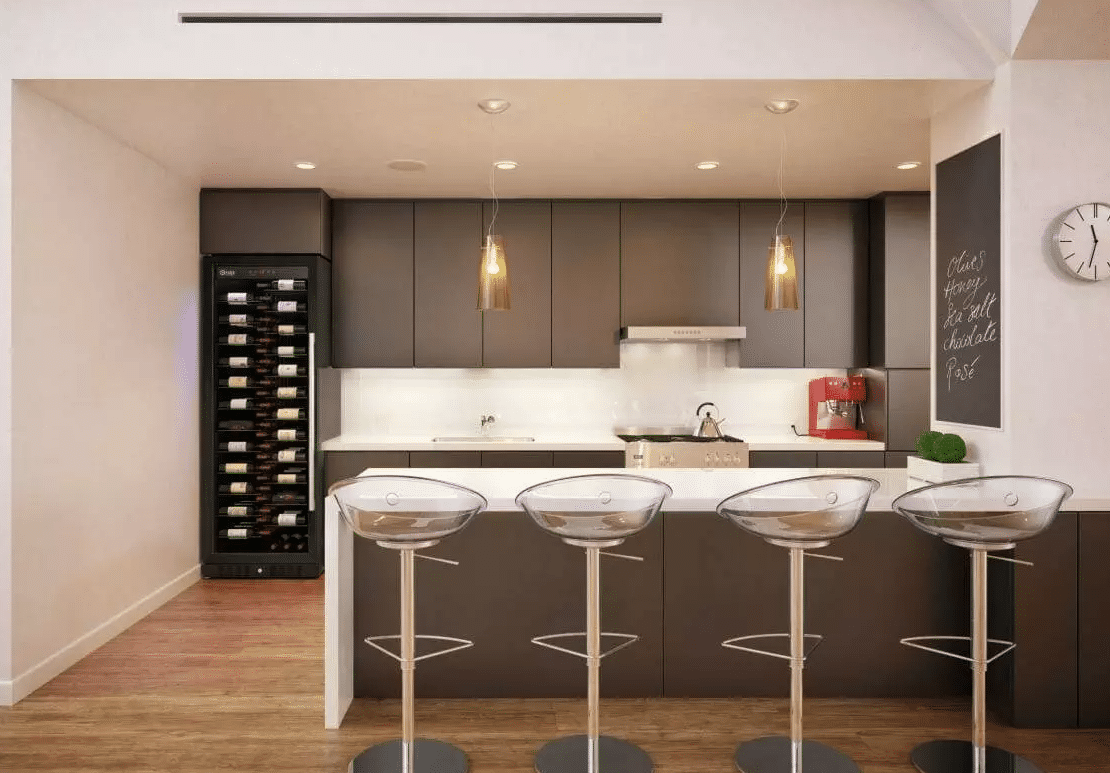
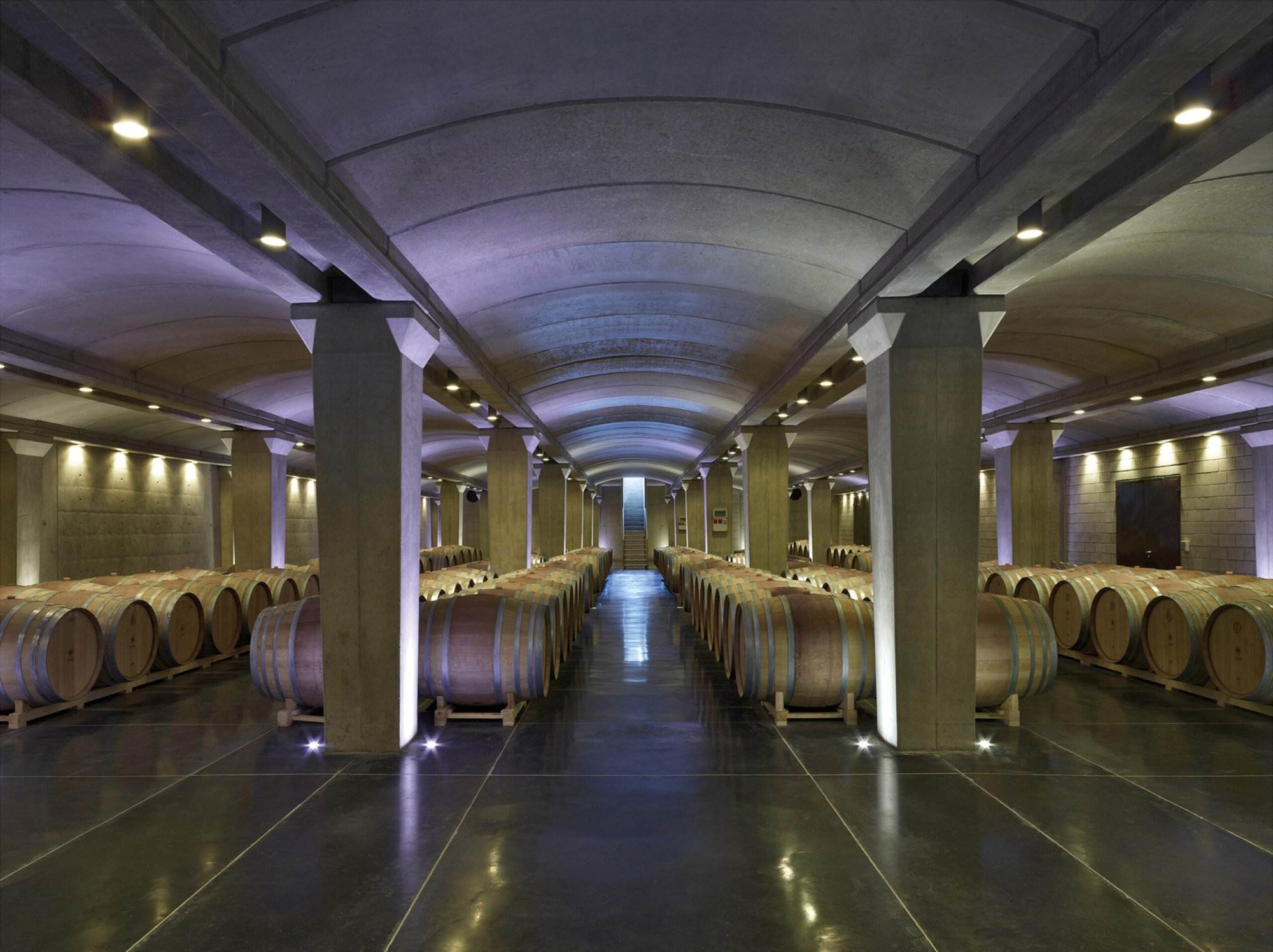
When considering wine storage options, evaluating the size and capacity needed is paramount. The first step in this process is to assess your current collection and future aspirations. If you are a casual drinker with only a few bottles, a compact solution may suffice.
However, for those who are passionate about wine or have an extensive collection, a larger capacity will be necessary to accommodate growth over time. Additionally, it is essential to consider the types of bottles you will be storing. Standard Bordeaux bottles differ in size from Burgundy or Champagne bottles, which may require different shelving configurations.
Understanding your collection’s specific needs will help you choose a storage solution that maximizes space while ensuring that each bottle is stored correctly. This careful evaluation will prevent overcrowding and allow for easy access to your favorite wines.
Considering the Location for Installation
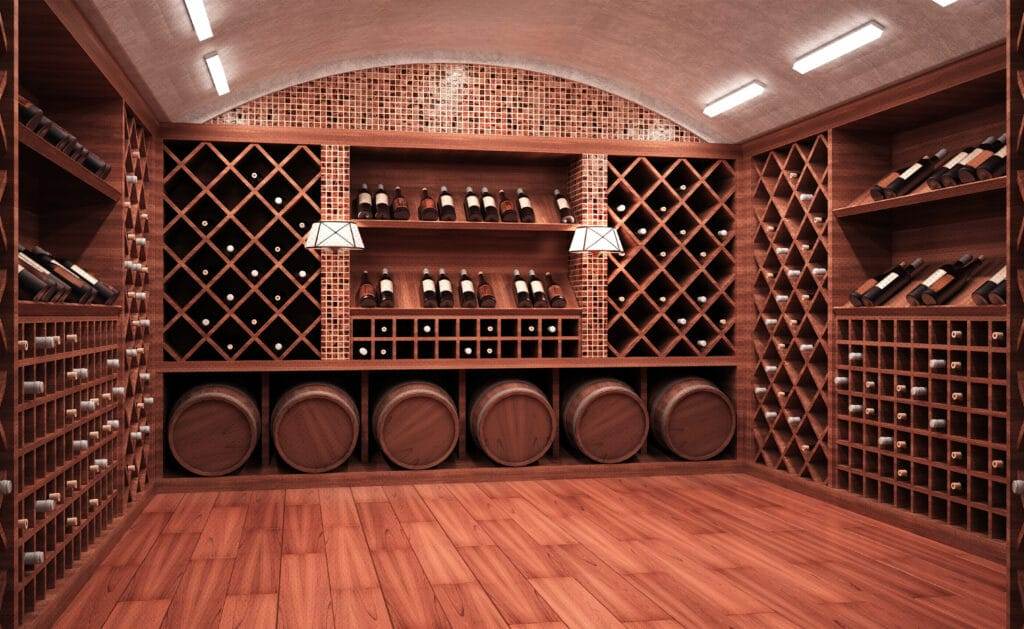
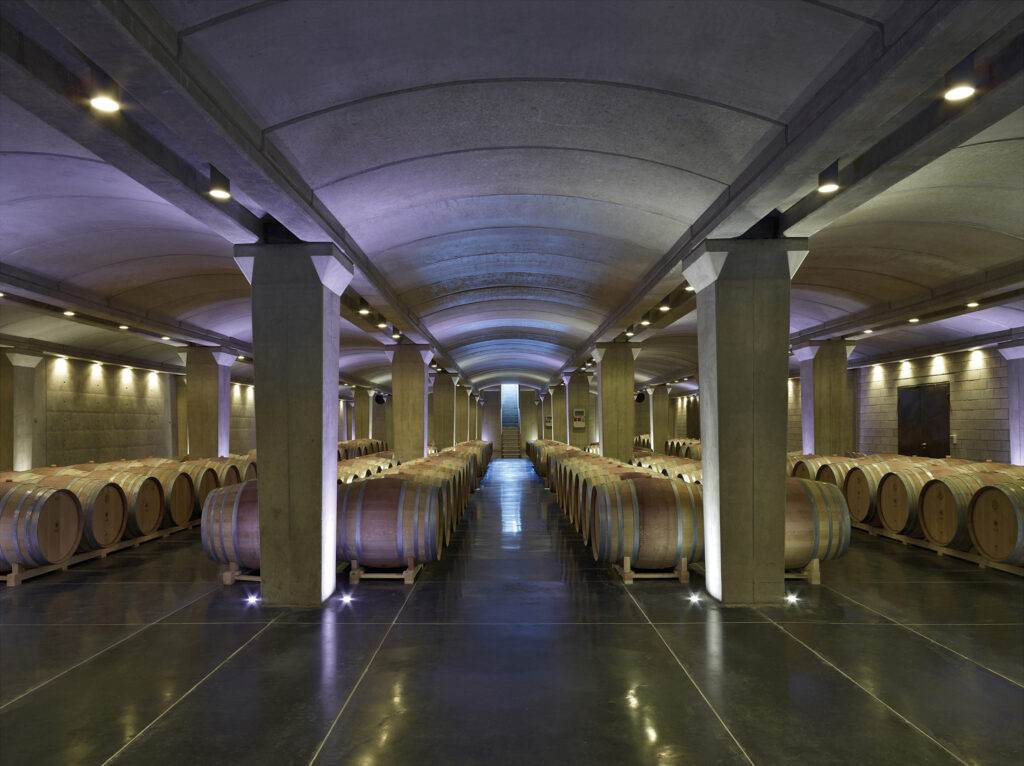
The location of your wine storage unit plays a significant role in its effectiveness. Ideally, wine should be stored in a cool, dark place away from direct sunlight and temperature fluctuations. When selecting a location for installation, consider areas that maintain a consistent temperature and humidity level.
Basements are often ideal due to their naturally cooler environment, but other spaces within the home can also be suitable if they meet the necessary conditions. Accessibility is another important factor when choosing a location. You want your wine storage to be easily reachable for regular use while still being out of the way enough to avoid disturbances.
A well-thought-out location will not only protect your investment but also enhance your enjoyment of wine by making it convenient to access your collection whenever you desire.
Assessing the Climate Control Needs
Climate control is a crucial aspect of wine storage that cannot be overlooked. Wine is sensitive to temperature changes, and maintaining a stable environment is essential for preserving its quality. Ideally, wine should be stored at a temperature between 45°F and 65°F, with 55°F being the optimal average.
Fluctuations outside this range can lead to premature aging or spoilage. Humidity levels also play a vital role in wine storage. A humidity level between 50% and 70% is ideal for preventing corks from drying out or becoming moldy.
Insufficient humidity can lead to evaporation and oxidation, while excessive humidity can promote mold growth on labels and corks. Therefore, when selecting a wine storage solution, it is essential to assess its climate control capabilities to ensure that your collection remains in optimal condition.
Exploring the Design and Aesthetics
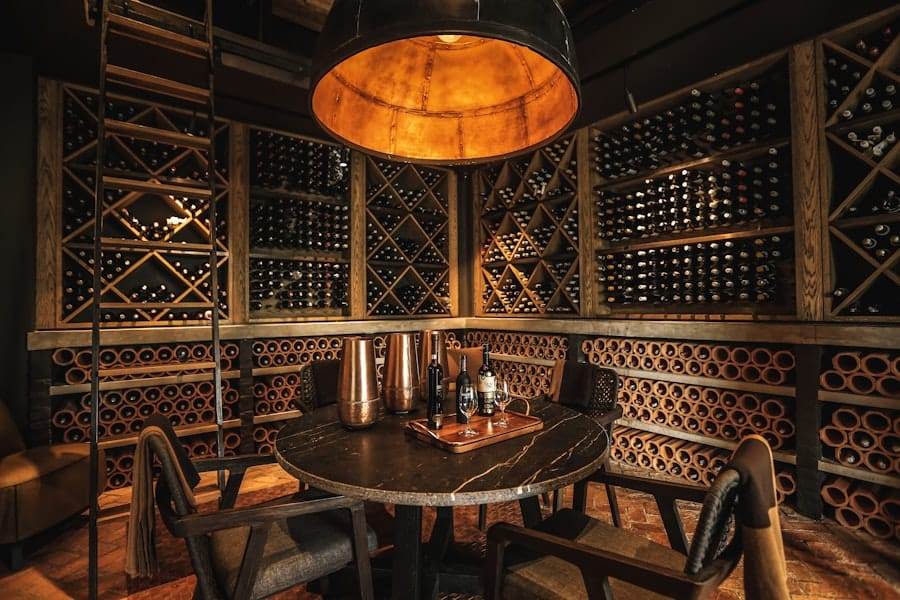
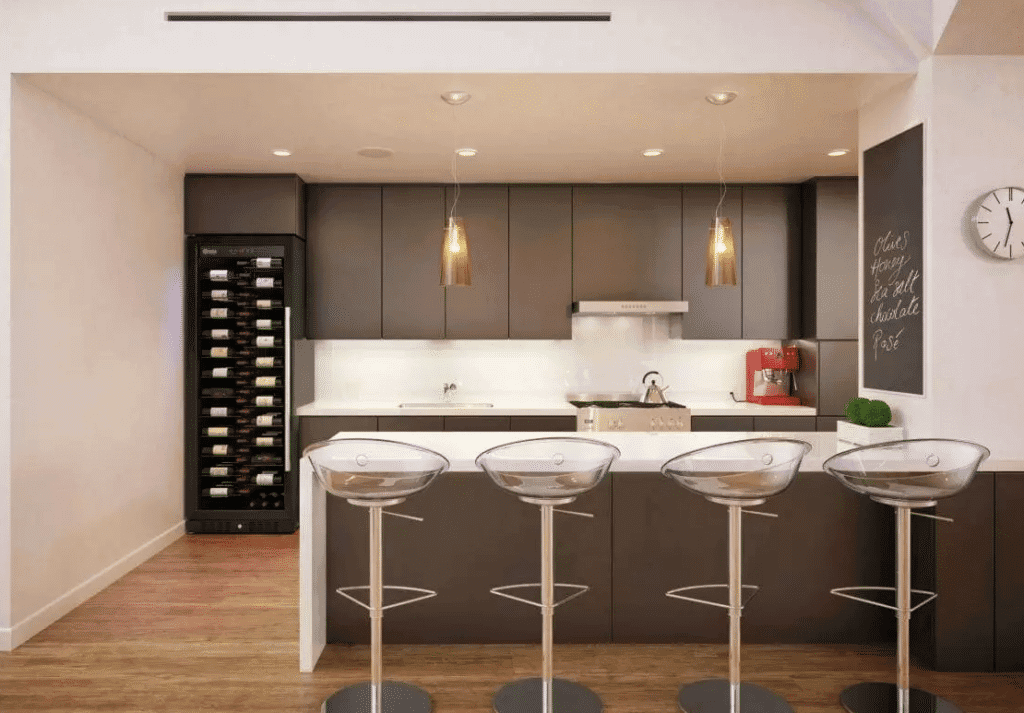
The design and aesthetics of your wine storage solution are important considerations that go beyond functionality. A well-designed unit can serve as a focal point in your home, showcasing your collection while complementing your interior decor. Whether you prefer a modern look with sleek lines or a more traditional style with wooden finishes, there are numerous options available to suit your taste.
Moreover, the layout of the storage unit can enhance the overall experience of selecting and enjoying wine. Features such as adjustable shelving, display racks for special bottles, and integrated lighting can elevate both the functionality and visual appeal of your storage solution. By exploring various design options, you can find a unit that not only meets your practical needs but also reflects your personal style.
Researching Energy Efficiency and Noise Levels

In today’s environmentally conscious world, energy efficiency is an important factor when selecting a wine storage solution. Many modern units are designed with energy-saving features that minimize electricity consumption while maintaining optimal conditions for your wine collection. Researching these features can help you make an informed decision that aligns with your sustainability goals.
Noise levels are another consideration that should not be overlooked. Some wine storage units can produce noticeable sounds due to their cooling mechanisms or fans. If you plan to install your unit in a living area or near bedrooms, opting for a quieter model will enhance your overall experience by preventing disturbances during quiet moments or while entertaining guests.
Comparing Features and Technology
When it comes to wine storage solutions, various features and technologies can enhance functionality and convenience. Some units come equipped with advanced temperature control systems that allow for precise adjustments, ensuring that your wines are stored at their ideal temperatures. Others may offer dual-zone capabilities, enabling you to store red and white wines at different temperatures within the same unit.
Additional features such as UV-filtered glass doors protect your collection from harmful light exposure, while vibration-dampening technology minimizes disturbances that could affect the aging process of the wine. By comparing these features across different models, you can select a storage solution that best meets your needs and preferences.
Budgeting and Cost Considerations
Budgeting for a wine storage solution requires careful consideration of both initial costs and long-term value. Prices can vary significantly based on size, features, and brand reputation. It is essential to establish a budget that reflects not only what you can afford but also what you are willing to invest in preserving your collection.
While it may be tempting to opt for the least expensive option available, it is crucial to consider the potential long-term costs associated with inadequate storage solutions. Poorly designed units may lead to spoilage or damage to your wines, ultimately resulting in greater expenses down the line. By investing in a quality wine storage solution from Wine Cellars San Francisco or Wine Hardware, you ensure that your collection remains protected and enjoyable for years to come.
In conclusion, selecting the right wine storage solution involves careful consideration of various factors including size, location, climate control needs, design aesthetics, energy efficiency, features, and budget. By taking the time to evaluate these aspects thoroughly, you can make an informed decision that enhances your enjoyment of wine while protecting your investment. Whether you are a casual enthusiast or a serious collector, proper wine storage is essential for ensuring that every bottle reaches its full potential.
FAQs
What is a Transtherm wine refrigeration unit?
A Transtherm wine refrigeration unit is a specialized appliance designed to store and preserve wine at optimal temperatures and humidity levels. These units are specifically engineered to maintain the ideal conditions for long-term wine storage.
Why is it important to choose the right wine refrigeration unit for San Francisco homes?
San Francisco’s climate can vary, and it’s important to choose a wine refrigeration unit that can effectively regulate temperature and humidity levels to protect wine from environmental fluctuations. Additionally, the unit should be able to fit seamlessly into the home’s design and space constraints.
What factors should be considered when choosing a Transtherm wine refrigeration unit for a San Francisco home?
When choosing a Transtherm wine refrigeration unit for a San Francisco home, factors to consider include the size of the unit, the capacity for wine bottles, the cooling technology used, energy efficiency, noise levels, and any additional features such as UV protection and security locks.
How can the size and capacity of the wine refrigeration unit be determined for a San Francisco home?
The size and capacity of the wine refrigeration unit should be determined based on the available space in the home, as well as the number of wine bottles that need to be stored. It’s important to measure the space where the unit will be placed and consider the size of the wine collection.
What are the best cooling technologies for a Transtherm wine refrigeration unit in San Francisco?
For San Francisco homes, it’s important to choose a wine refrigeration unit with advanced cooling technologies such as dual-zone cooling, precise temperature control, and humidity management. These features can help ensure that the wine is stored at the optimal conditions, even in a fluctuating climate.